Friday, 13 April 2018

Kuching, Malaysia

Kuching is located in Sarawak Malaysia or Borneo as it is more often referred to be the locals.Known as the land of the hornbills Kuching means cat in Malay and is home to the worlds first cat museum which you can be sure Eric and I did not visit.  Our drive through the city revealed quite a modern city with more single family homes than we had seen elsewhere on this trip.  The surprising feature was the large amount of brand new multi storied buildings that are standing totally unoccupied.  There were more than a few and one could not help but wonder who has the resources to keep building when the need is obviously not there.
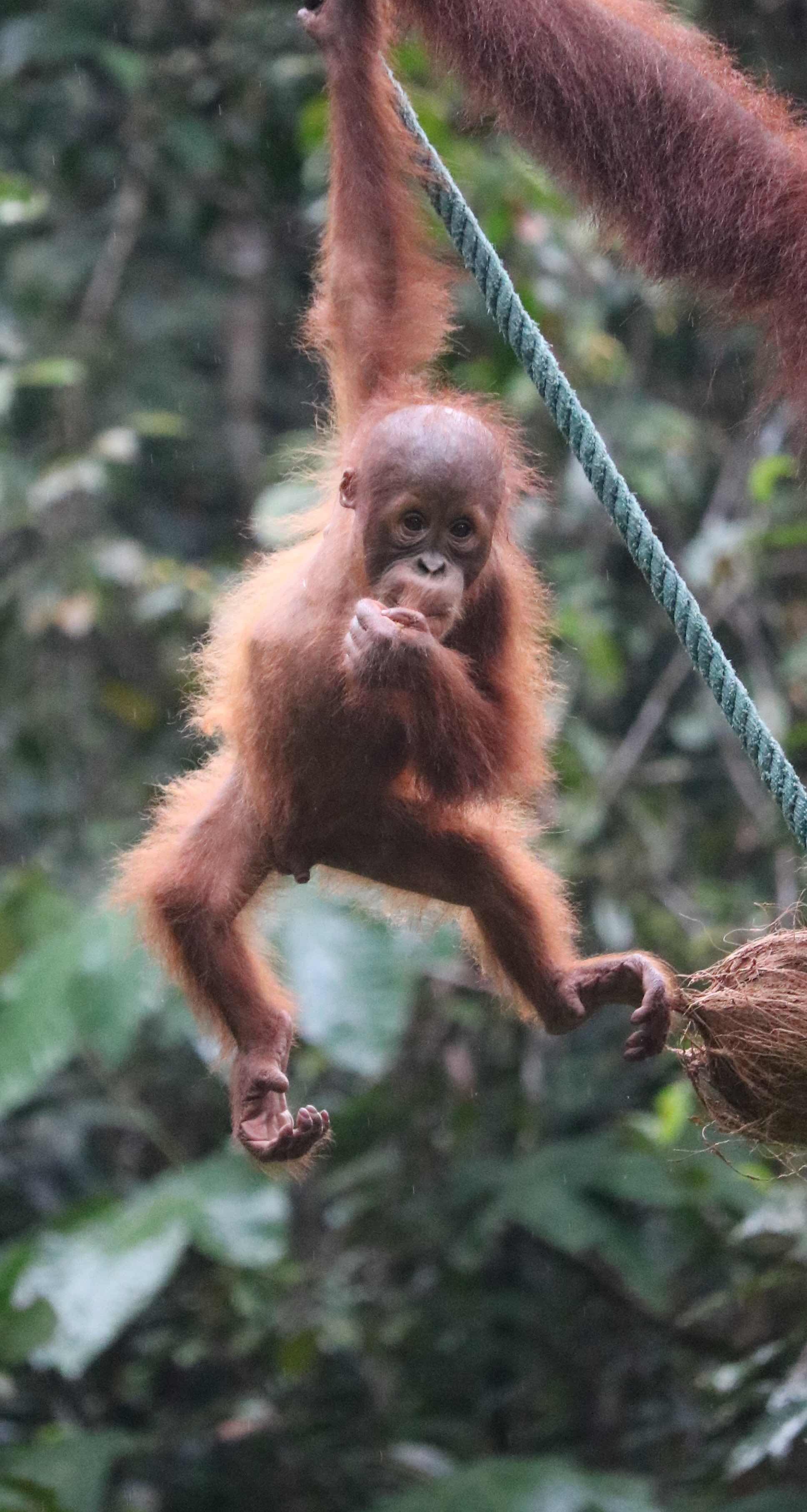
The highlight of our day was a visit to the Semenggah Nature Center to see the orangutans.  Here they are in the wild and there are no fences so there is no quarantee that you will see them but it was our lucky day indeed.  We spent a good couple of hours with permanent grins on our faces first watching three young adults play and eat and then we went for a short trek where we then got to meet the dominant and largest male living at the Center.  Weighing in at over 200 kgs he was quite impressive.  When we thought we were more than lucky and heading out a mom appeared with her two month old baby.  We could not have had a more perfect visit!
As we were in Borneo to make our visit complete we went to visit the longhouse home of the descendants of the Borneo headhunters.  They were not canibals, they collected the heads as trophies when outsiders tried to come onto their land.  They would put the head in a basket in the river and leave it there until the fish had cleaned it to a skull and that is what they hung in ther longhouse.  Thankfully this practice ended many years ago though the longhouse itself could use some updating.


Chinese cemetery in Kuching where each grave is like a giant chair

Some of the remaining heads from the head hunters of Borneo 

Pretty rustic kitchen facility 

Longhouse is raised and the floor is made of bamboo 

Mother and baby coming into view

Enjoying his coconut 

Probably thinks we are all pretty funny looking

The faces are so expressive and darned near human

Aerobics class should be so easy

He is so big I would not want to meet up with him in the forest

He is definitely smiling

You have to love the hair style

Enjoying a bite of lunch

Don’t you dare try and touch my food

I have a feeling that waterfront property is a little more reasonable here than at home


Some of the local fish boats were so colourful that one could not resist taking pictures

Maura, Brunei Darussalam

Brunei is home to only half a million people with one of them  being the Sultan of Brunei who is one of the richest men in the world.  As we approached Brunei the oil rigs were plentiful giving one the idea where the wealth originates from.   Citizens do not pay income tax and they enjoy free medical care, education and old age pensions.  A third of the people work for the government and they are probably the best paid bureaucrats in the world.   Brunei is a Muslim country with 70% of the residents being such but freedom of religion is allowed with the second largest group being Catholic.  No alcohol or cigarettes are allowed to be sold in the country.  Even though one cannot buy cigarettes smoking is not totally banned though it is very strictly controlled and fines are high and immediate if one smokes in off limit places.  Apparently there are plain clothed smoke patrols so they take it very seriously.
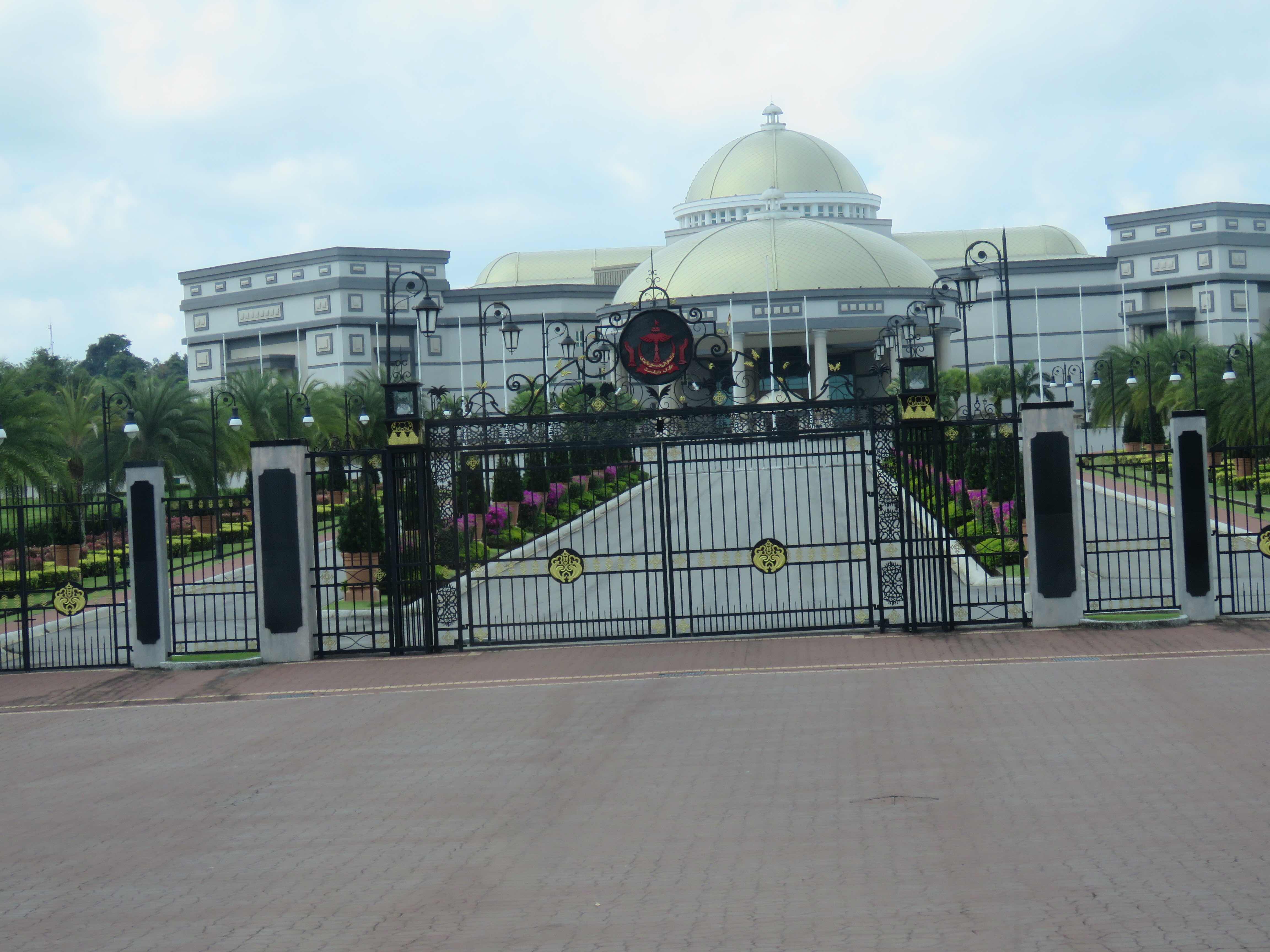
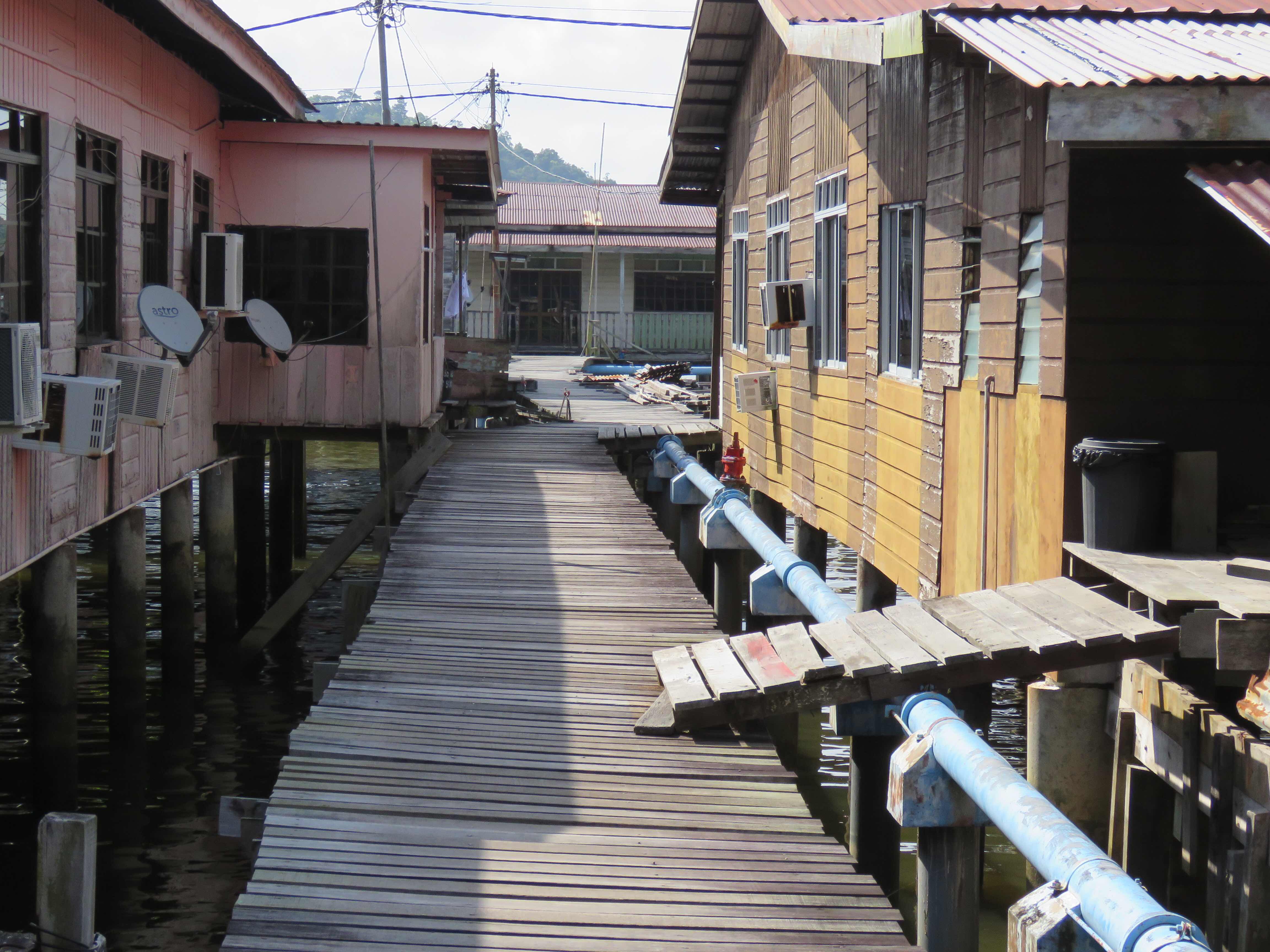
The buildings here, particularly the government ones are quite ostentatious and this country certainly has a different feel than those we visited previously on this trip.  A city tour took us past these over the top buildings on our way to a tour of their water village which was definitely a direct contrast to that on land.  Families have lived in these villages for generations and are reluctant to leave though apparently some now have a town house as well and spend time there as well.  We travelled by boat to the water village and then took a rather rickety walkway to the home we were visiting.  The outside of the home was what we would refer to as ghetto but the inside was over the top ornamental.  It was quite the surprise when one stepped through the door.  We were also treated to some local sweets that the women of the house had made.  Three generations consisting of 25 people lived in this seven room house.  Brunei does not have any nursing homes as generations live together and look after each other.  One is no longer allowed to build a water home in Brunei so when one becomes too delapitated it is torn down and not replaced.
Sailing out of Brunei it was quite the sight to see the rigs all lit up with the glowing flame on top.


Govern buildings were all very beautiful 

Certainly no tight purse strings when building for the state

A visit to the local market is always interesting though it was so hot and humid that we did not want to linger

The mosque sparkled in the sunshine especially with the gold plated domes

Quite a contrast between the mosque and the run down water homes in front

The water village that we visited

Quite gaudy but definitely not what I expected to find inside the water home

A barge decorating the moat surrounding the mosque 

Sandakan and Kota Kinabalu, Malaysia

Our first two stops in Malaysia though they did include short city tours were truly about the wildlife.  For us this was the first country that was so visibly Muslim with the majority of women in traditional dress and mosques being the norm instead of churches.  The people were all warm and welcoming and anxious to show what their country had to offer.  Both of these cities are on the coast and have quite large water villages where apparently even woven the opportunity people refuse to leave as many here believe that the water is for the living and the land is for the departed.
In Sandakan we went on a five hour boat tour up the Kinabatangan River in search of wildlife. The river is dotted with several small villages which are only accessible by boat and were interesting to see in their isolation.  The highlight of the day was the many groups of Proboscis monkeys that we observed.  These monkeys are only found in Malaysia and they are quite large with the males adorned with huge dangling noses and round noses.  We were lucky to have some close encounters so was quite an experience to see these animals in their own environment.
Kota Kinabalu is a fairly new town as it was occupied by the Japanese during WW II and was destroyed.  It became a British colony after the war but gained independence in 1963.  Though a lot of the forest land has been taken over by rubber and palm oil plantations the people of Malaysia have come to realize haw important their natural forests are and are now working hard to proserve them and their wildlife.  Here we did a boat tour of the Klias wetlands where along with the Proboscis monkeys we observed other varieties of monkeys and birds as well and were then served traditional Malaysian food for dinner.  Enjoyed food that was truly authentic.


Water village with a mosque in the background 

Male proboscis monkey

Rustic village along the river bank

Young males resting in the trees

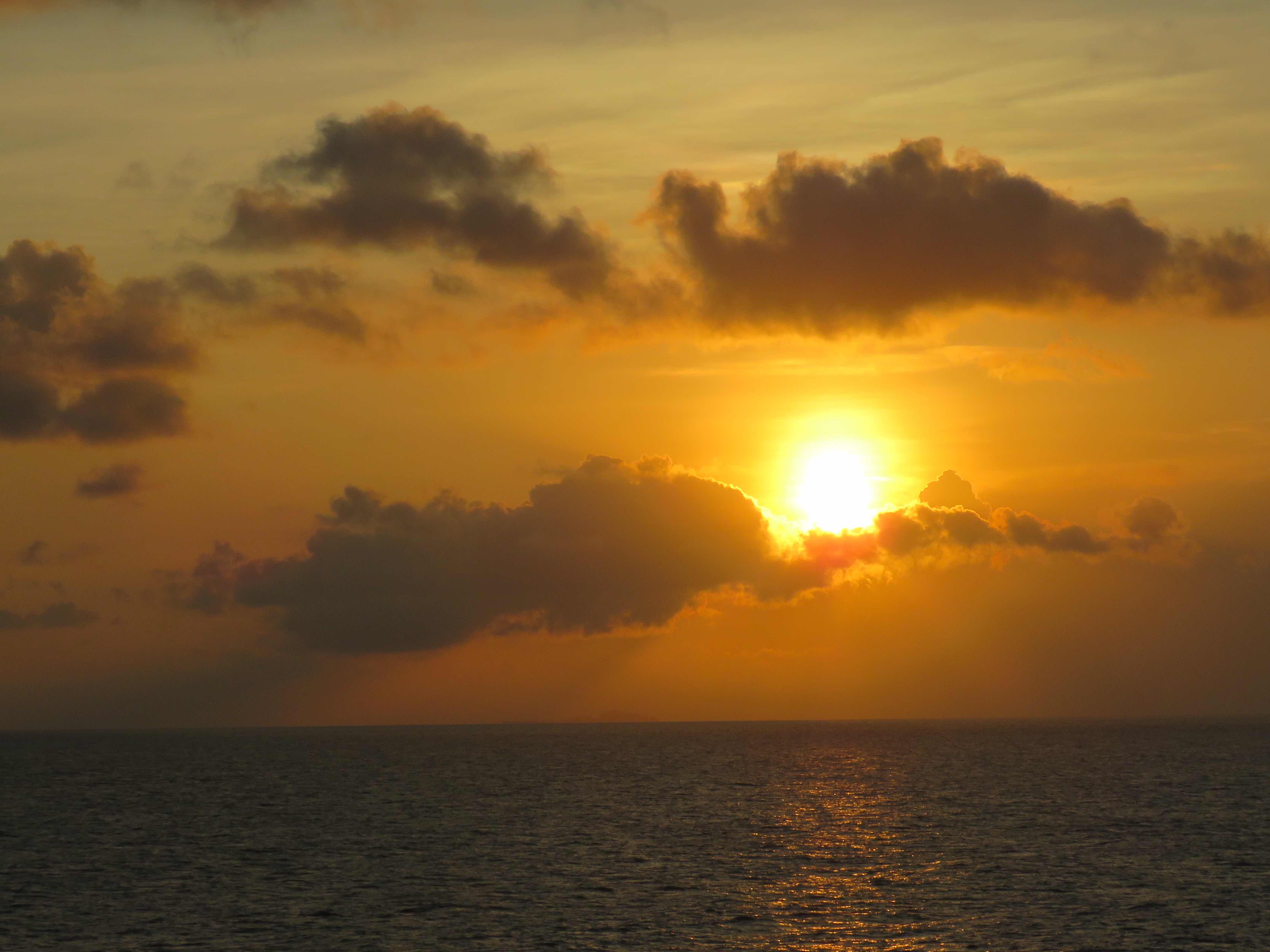
Sunset in the South China Sea

Water village coming into Kota Kinabalu 

Kota Kinabalu. Not the type of marina we are accustomed to 

Young male just relaxing

Thought this one just might join us in the boat

Chinese temple in Kota Kinabalu 

The Philippines

We boarded the Silver Shadow in Hong Kong and prepared to set sail on our adventure.  Our first day was a day at sea sailing the South China Sea towards the Philippines.  The day actually passed quite quickly when we added in some spa time, wonderful meals and some good entertainment while meeting new and interesting fellow travellers.  The majority of the passengers are from Britain and Australia so a change from the demographics we have encountered in the past.
Our first port of call in the Philippines was in Manila which is the capital city and was founded by the Spanish in 1571.  After the Spanish-American war the United States changed the official language to English.  Towards the end of WW II most of the city was flattened by intensive bombardment but serious rebuilding has taken place and tourism is now a major business though economically money sent home by those working outside the country still adds more to the economy.  We spent a few hours on a tour of the Old Manila visiting Fort Santiago, the old walled city of the inter murals and the historic San Augusta church and monastery.  We visited the royal park and the old Manila hotel and did a scenic tour around the city.  One of the highlights was our charming guide Stella who spent hours sharing her knowledge of her home with us, everything from housing and wages, health care politics, prospects and more.  She was so open and we learned so much.  We personally found that Manila had a bit of a sketchy feel to it but still grateful for a chance to visit.
Our next port could not have been one of more contact.  Corona is more a small town which is gaining International favour in the last few years as a scuba diving destination.  Dramatic limestone rock formations jut out of emerald seas and sweeps of sand.  Coral gardens and crystal clear warm water made for some wonderful snorkeling off of our outrigger tour boat.  Eight years ago Coron had 4000 visitors and this year 100,000 so they are in a real learning phase.  Hopefully it does not lose its beauty.
Our last port of call in the Philippines was Puerto Princesa which is home to the longest underground river in the world which is a World UNESCO site and one of the 7 Wonders of Nature.  Puerto Princesa is known as the least densely populated,cleanest and most environmentally friendly city in the Philippines.  We would add most welcoming to that list.  They had elementary marching bands out to welcome us at 0645 this morning and before we departed we were entertained by choirs and bands with a giant banner wishing us Bon Voyage. They only get two small ships a month so this is very impressive.  Our visit to the underground river and trip up the first one and one half kilometres was fascinating and well worth the visit.  Another experience like no other.  Next stop Malaysia
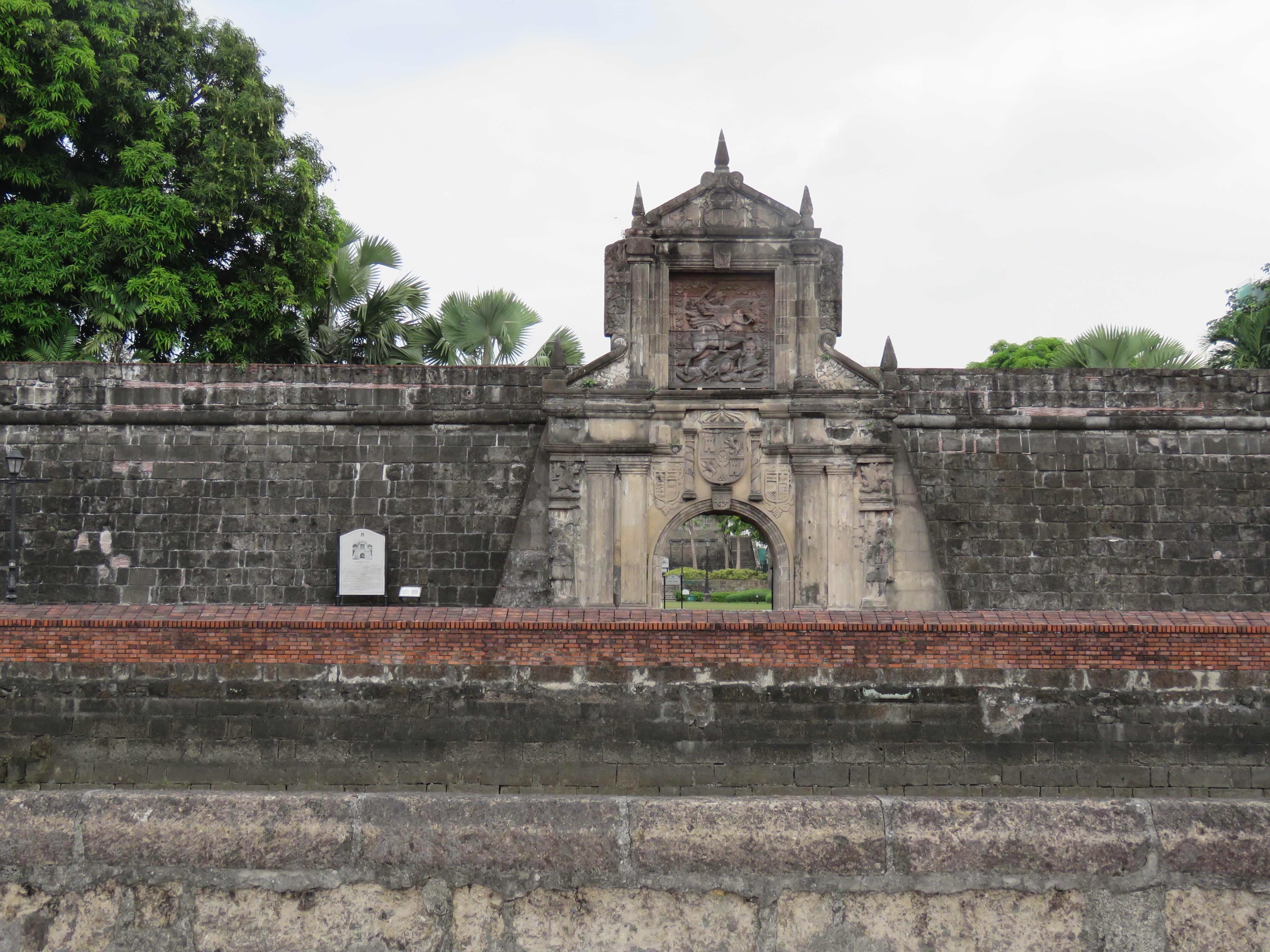

Fort Santiago entrance with the moat in front
Entrance to the walled city


Squatters area within the city of Manila 

Inside the church of San Augusta

Creative use of the excessive amount of bamboo

Jeepnies are a very common form of transportation in the Philippines and are usually packed and outside the city often have riders on the roof

Homes in Coron are built over the ocean and they park their boat at their door

Stunning rock formations arising from the emerald sea

Coral gardens

More coral

Grandma enjoying the warm crystal clear water

One can see why popularity is growing here

A stop for a swim

Ready for our river adventure 

Incredible. Only light allowed is the rows an

Different formations everywhere you look

One must be careful to keep your mouth shut when looking up as there are thousands of bats everywhere. Use your imagination 

The water colour is incredible 

Amazing what one can fit onto such a small vehicle 

These are the outriggers that were found in all sizes and that we went out on. They were mostly homemade and the riggers are made of bamboo

Sunday, 1 April 2018

Hong Kong

We arrived on Easter weekend but apart from displays of chocolate bunnies and beautiful flowers it was business as usual for this bustling city of several million people.  There is construction going on everywhere and unfortunately the wonderful walkway along the water is closed off as many of the hotels which are built right up to the water are under renovation.  This walkway is one of Hong Kongs major attractions so this is quite unfortunate as on our last visit we spent many hours wandering along this picturesque way.  I would liken this to closing the inner harbour in Victoria.  We are spending our time here walking the neighborhoods and exploring the streets and alleyways.  Houses are nonexistent in the city and one is always in the shadow of buildings that are dozens of stories high.  This city is a property management companies dream!  Restaurants abound and we are enjoying sampling some of the local cuisine.  The streets are alive with people day and night.  One odd thing we noticed was the number of people wheeling suitcases around until we saw a couple of people open them to reveal their shopping.  Unique way to avoid using bags.  Tomorrow we board the ship and head off the Philippines.


Even the small stores are impressively lit at night

An eye catching bit of architecture amongst some uninspiring old high rises

Beautiful flower displays to celebrate the holiday

High density living with small apartments above retail


The star Ferry making a trip over to the ever “misty” island of Hong Kong 

Enjoyed some Kung fu in the park