Tuesday, 2 October 2018

(Backup) Serbia

As we continued our journey up the Danube we had to pass through the two Iron Gates which refer to the huge locks and damn system that controls the water flow and allows for ships to enter the picturesque set of gorges through which the Danube River flows separating Serbia from Romania.  Built in 1971. The locks raised the level of the water in the 130 km long gorge 35 meters and 25,000 people from 17 towns had to be relocated.  Quite a sacrifice for many.  Travelling through the twisty gorge with lush mountains on either side dotted with the occasional small village is quite pleasurable..a few special sites awaited us as well.  On one riverbank right at water level is a weathered marble Trajan’s Plaque placed in AD 101 in honour of the Roman Emporer to commemorate the construction of the Trajan road along the Danube which was quite a feat in those days.  The plaque had to be moved up the bank when the locks were built.  At one bend of the river is an old monastery watched over by a giant head of Deceballusus,last prince of the Dracians, a 40 meter high relief carved into the rock.  Near the end of the gorge built high on the rocks just as the sun was setting we came upon the Gobubac castle which is starting to crumble but still looks quite impressive with its nine massive towers joined by a ring of walls.
We visited Belgrade,which has been the capital city of Serbia since 2006.  Belgrade has been bombed many times but is very tenacious and keeps returning from the assaults.  The NATO bombings during the Kosovo war in 1999 caused considerable damage some of which is still visible.  As the Serbians partially blame Clinton for this they were relieved that Trump won!  We visited the Kalemegdan Fortress which is situated high above the city with the original structures dating back to the end of the first century.  The views of the city were outstanding.  We visited St Sava’s Temple which is the largest temple of the Serbian people.  Sitting high on a hill it can be seen from all over the city.  The one outstanding feature of this temple is that the interior is totally unfinished so the church is not used, only visited from the outside.  A stroll through the pedestrian area revealed many more lovely old buildings.
The afternoon took us on a visit to the Royal Palace.where we were personally greeted by Crown Prince Alexander and Princess Katherine .  They spoke to us about there lives and what it was like in Serbia and we even got the chance to speak with them personally.  It really was special and even though we toured the palace it seemed anticlimactic after that.
Our final visit in Serbia was to Novi Sad which is situated on the river and is very picturesque. This city was almost totally destroyed during the 1848 revolution so 19th century architecture dominates the city centre.  It was also deviated by NATO bombardment during the Kosovo war in 1998 which left it without all three of its bridges. Our guide was 19 at the time and told us of hearing constant bombing for weeks on end.  A life we cannot begin to imagine.  A visit to the Petrovaradin Fortress provided beautiful views of the city but the highlight was the visit to the pedestrian part of town and to be able to stroll amongst the beautiful buildings and just soak up the atmosphere.  All and all we enjoyed the people of Serbia and learned so much about what this country has been through.


Entrance to the iron gates

The plaque commemorating the building of the Roman road along the Danube

The face of Decebalus carved into the stoneA

an ancient monastery 

A pleasant view of Belgrade 

Nightclubs and restaurants along the river in Belgrade 

A group photo with the Crown Prince and Princess 

Dinner with friends

A Serbian musician in typical dress

Tito’s memorial and tomb
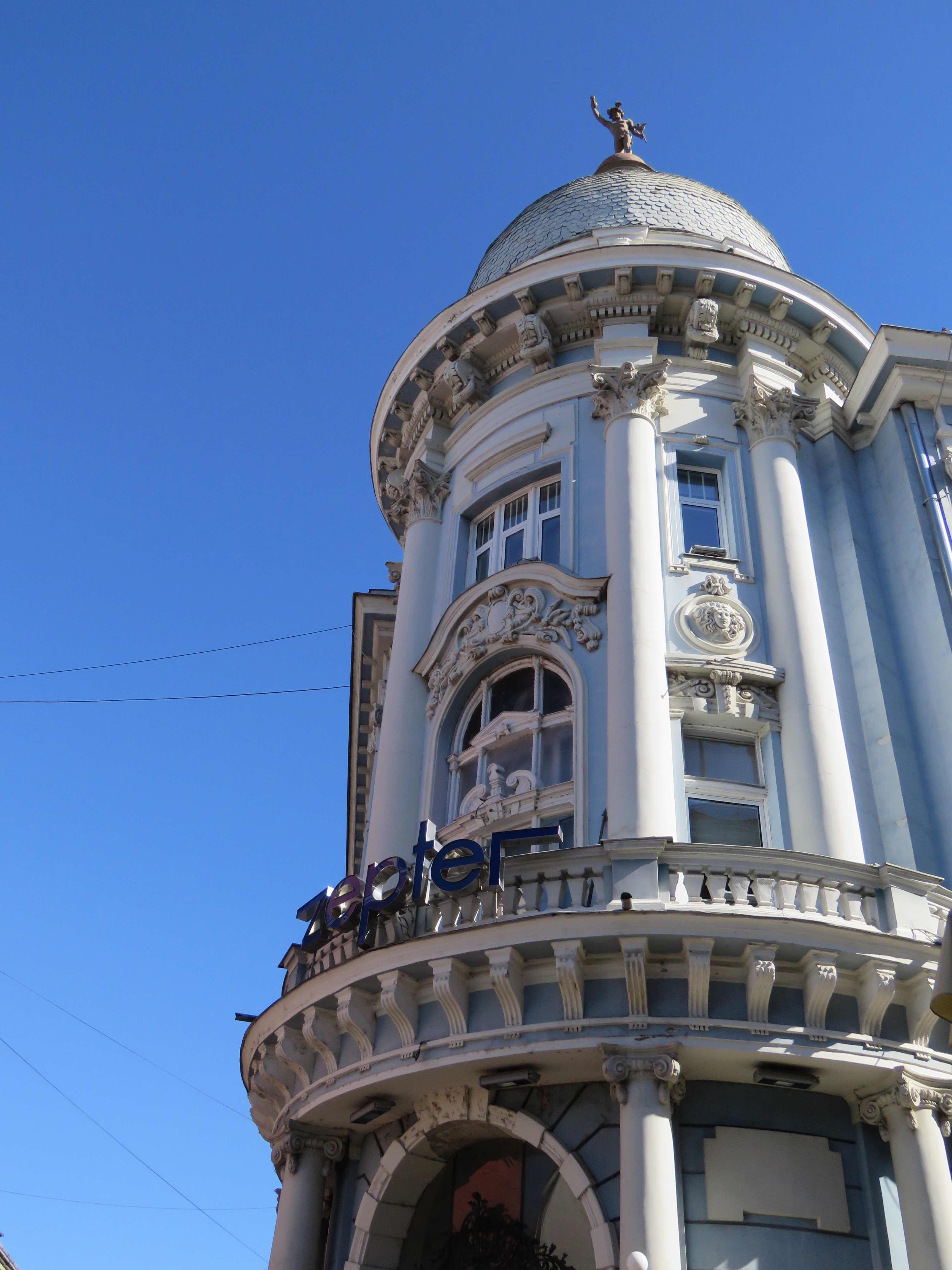
Beautiful building in Novi Sad

Charming restaurant 

Inviting church squares


Friday, 28 September 2018

Bulgaria

Bulgaria is one of Eastern Europe’s least densely populated nations and one of its poorest.the only country in Europe that has had more citizens leave looking for a better life elsewhere is Syria so that speaks to the issues that this country has..  The people that we met were all fiercely patriotic and loved sharing the stories of their homeland.  We learned so much about what it was like to live under communist rule and the hardships that ensued when the rule changed.  It is certainly not black and white and they could see some benefits to both sides.
We visited Veliko Tărnovo which is one of Bulgaria’s ancient capitals where after tasting some traditional Bulgarian liquor we visited a couple of old churches.  At one we were treated to a choral presentation and at the other an explanation of how religion was practiced during Saxon times.
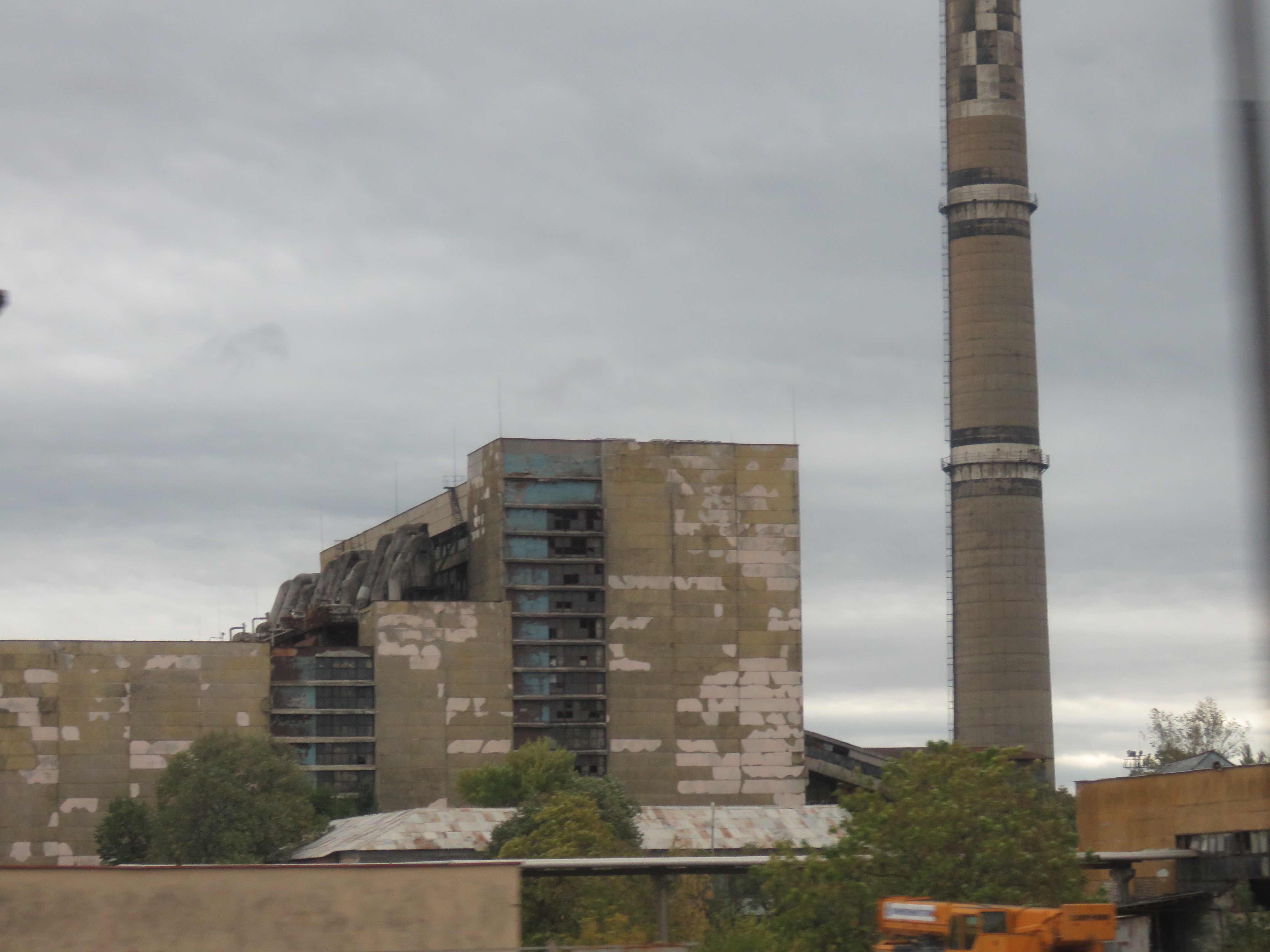
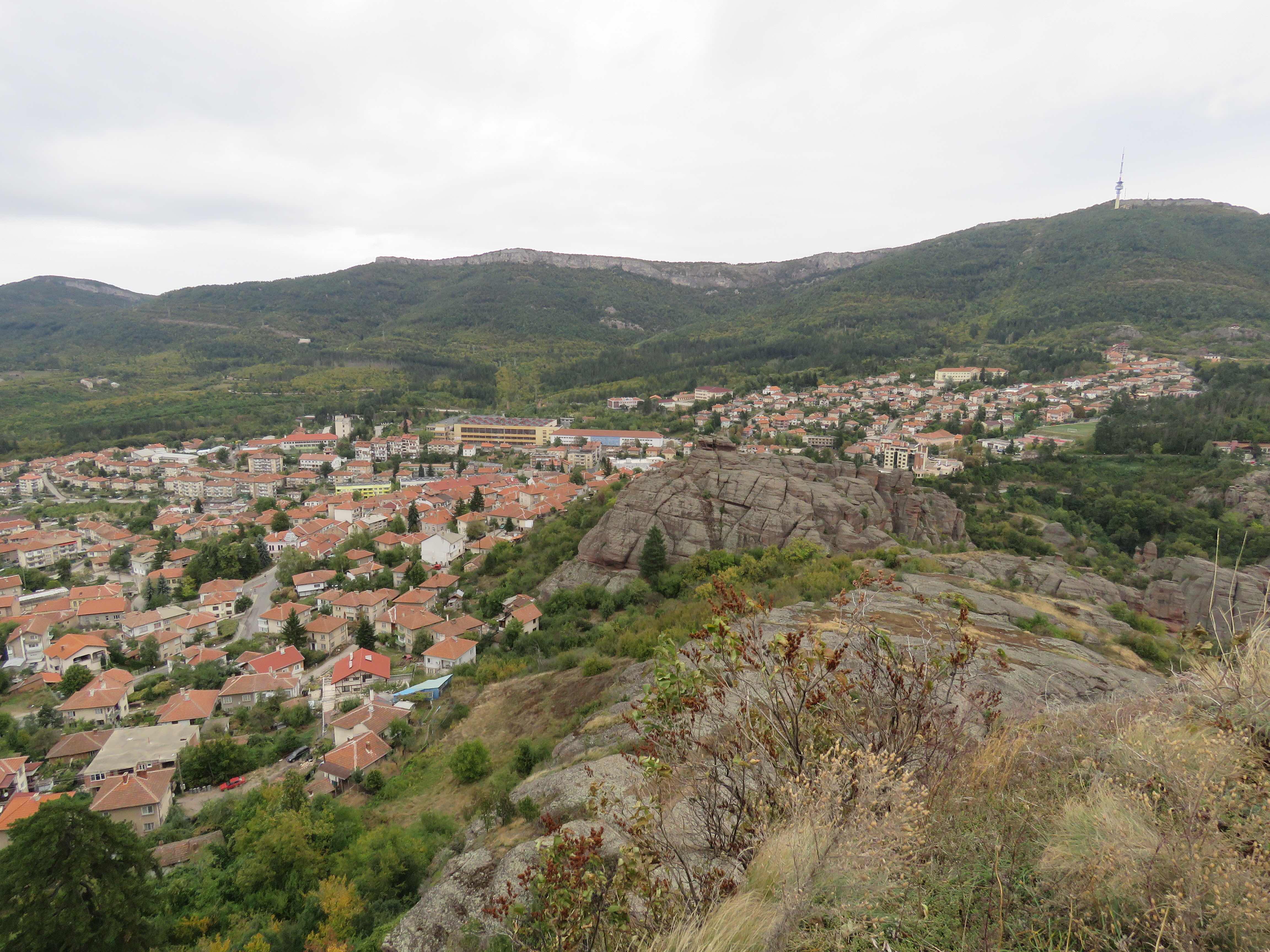
We also visited the port city of Vidin where we visited the Baba Vida Fortress which was built in Medieval times and is very well preserved.  A highlight was a visit to  the Belogradchik Fortress which is built on the top of a rock formation which have eroded into fantastic formations.  The climb to the top awarded us with fantastic panoramic views.  The ride to the Fortress was an hour each way but taking different routes we wound through farmland and tiny villages which was really interesting.  One of the outstanding features in Bulgaria was the numerous very large factories standing empty and in disrepair.  These were all active during the communist regime but were no longer sustainable with the fall of communism.  They are everywhere in the country.  Just as an example of salaries a doctor in Bulgaria makes 400 Euro a month.  No wonder they have a very large brain drain.


Choral group inside an ancient church.  The sound was amazing 

This church was built to look like a barn so Christians could worship without any repercussions 

Traditional in Bulgaria to be offered bread dipped in spice as you enter a place to dine

Veliko Tărnovo with the fortress in the background 

Very colourful market street

The fortress 

This par of Bulgaria is definitely rebounding 

In the villages lots of people were just sitting outside near the street

Ruins of the Jewish temple in Vidin. Most all Jewish people were removed from Bulgaria in WWII

Baba Vidin Fortress

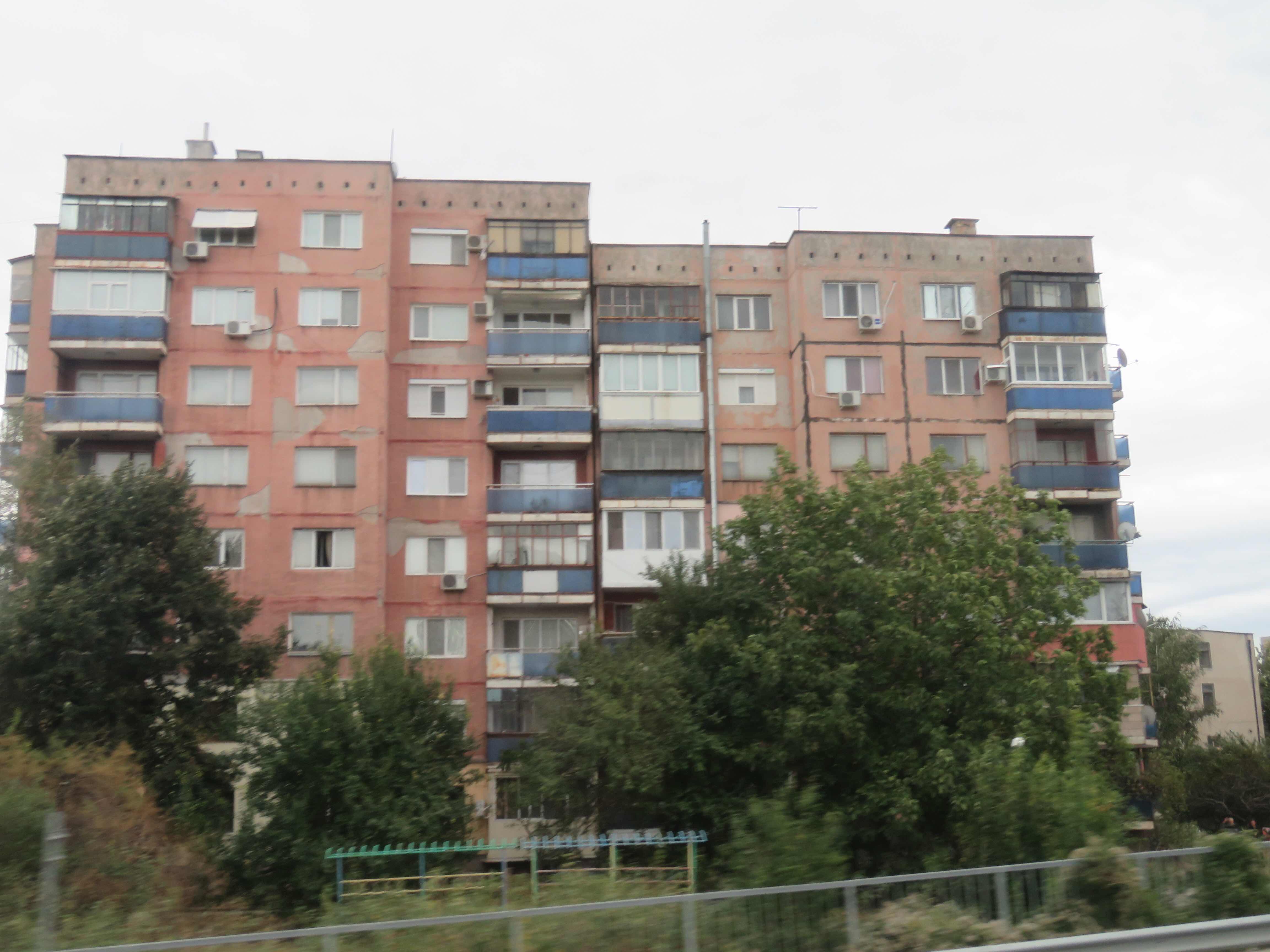
The people themselves call these commie condos as they were built during the communist era to house workers

Empty factories were everywhere 

Belogradchik

An ancient window

Not the first donkey and cart we came upon

Nice background for wedding photos

Beautiful climb to the top of the fortress

Steps steep at times but the views were more than worth it

Rock formations were fabulous 

City sat nestled in the rocks


Entertaining group of young dancers

Saturday, 22 September 2018

Peles Castle , Brasov and Bran

We left Bucharest and travelled to Transylvania for a couple of days to take in some of the major sights of this region.  Unlike the flat lands of Bucharest, Transylvania is surrounded by the arc of the Carpatian mountain chain and is know for its scenic beauty and rich history.
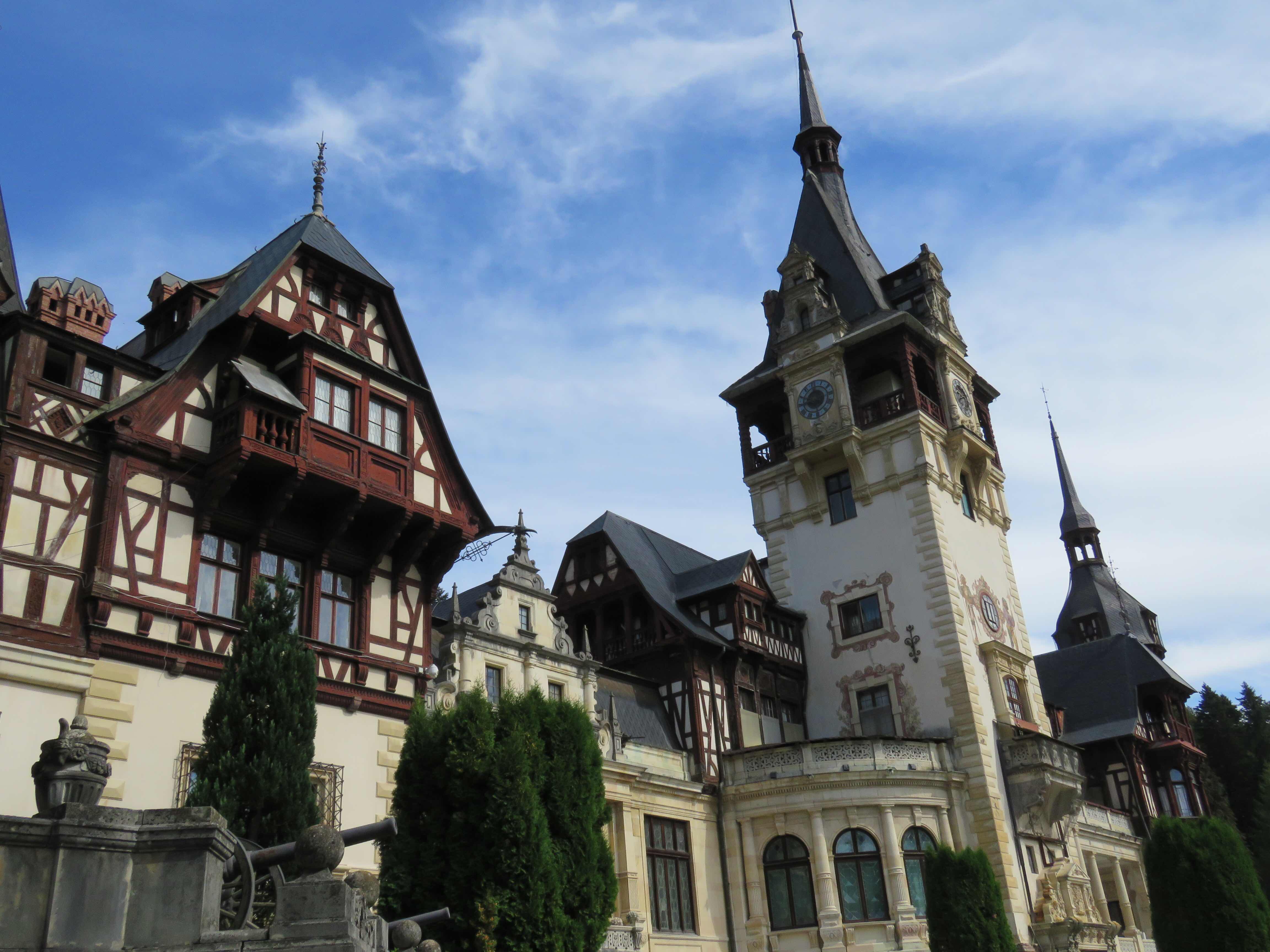
Our first stop was at Peles Castle which is nestled at the foot of the Bucegi Mountains in the picturesque town of Sinaia and is a masterpiece of Neo-Renaissance architecture,considered one of the most stunning castles in Europe.  It was commissioned by King Carol 1 in 1873 and completed ten years later, serving as the summer residence for the royal family until 1947.  Its 160 rooms are adorned with the finest examples of European art, Murano crystal chandeliers and German stained glass windows.  It was the first European castle entirely lit by electrical current, produced by its own plant.  The treasures and rooms in the castle were definitely worth the trip to see them.
Brasov was established in 1211by the Teutonic Knights sent from Hungary and it quickly became an important commercial centre. The old town has retained its beautiful architectural heritage and buildings dating from the 1400s are well preserved today.  The city square in the middle of old town is the heart of the city and has a very vibrant cell to it.  The square is dominated by the black church, thus named due to the gigantic fire that destroyed part of the city in 1689 and blackened its walls.  After a tour of old town and spending some time wandering we went to our hotel which was ultra modern and a sharp contrast to the rest of the day.
This morning we paid a visit to the Bran Castle which is associated with Dracula.  Perched atop a 200 foot high rock it gives an aura of mystery and legend.  The castle was constructed towards the end of the 14th century to control the trade route to Transylvania.  The spooky looking stronghold has been dubbed Dracula’s Castle although there is no evidence to show that Prince Vlad Tepes, the figure behind the vampire myth ever passed through its walls.  Bram Stoker who created Dracula never visited Transylvania, he relied on his research and vivid imagination to creat his stories.  The castle from the outside is imposing situated up on the rock but the inside tour was like being a sardine in a can.it was totally unorganized and way too many people.  Would recommend passing on this one.
As I write this we our headed back to Bucharest to board the Amacerto and we are looking forward to more adventures.


Approaching Peles Castle 

The stage of the theatre inside the castle 

Incredible woodwork 

Beautifully carved statues of royalty 

The library was stunning and holds a very valuable collection of books 

The kings drawing room 

The murano glass chandelier throughout the castle were incredible 

This was the smoking room where opium was often the drug of choice

The royal dining room 

Glass flowers on the hall mirrors 

I felt that this fellow was actually looking at me

Peles Castle from the front

Entrance to the old town of Brasov 

Canada was hardly thought of when these buildings were built 

Old town square 

Every building was a picture 

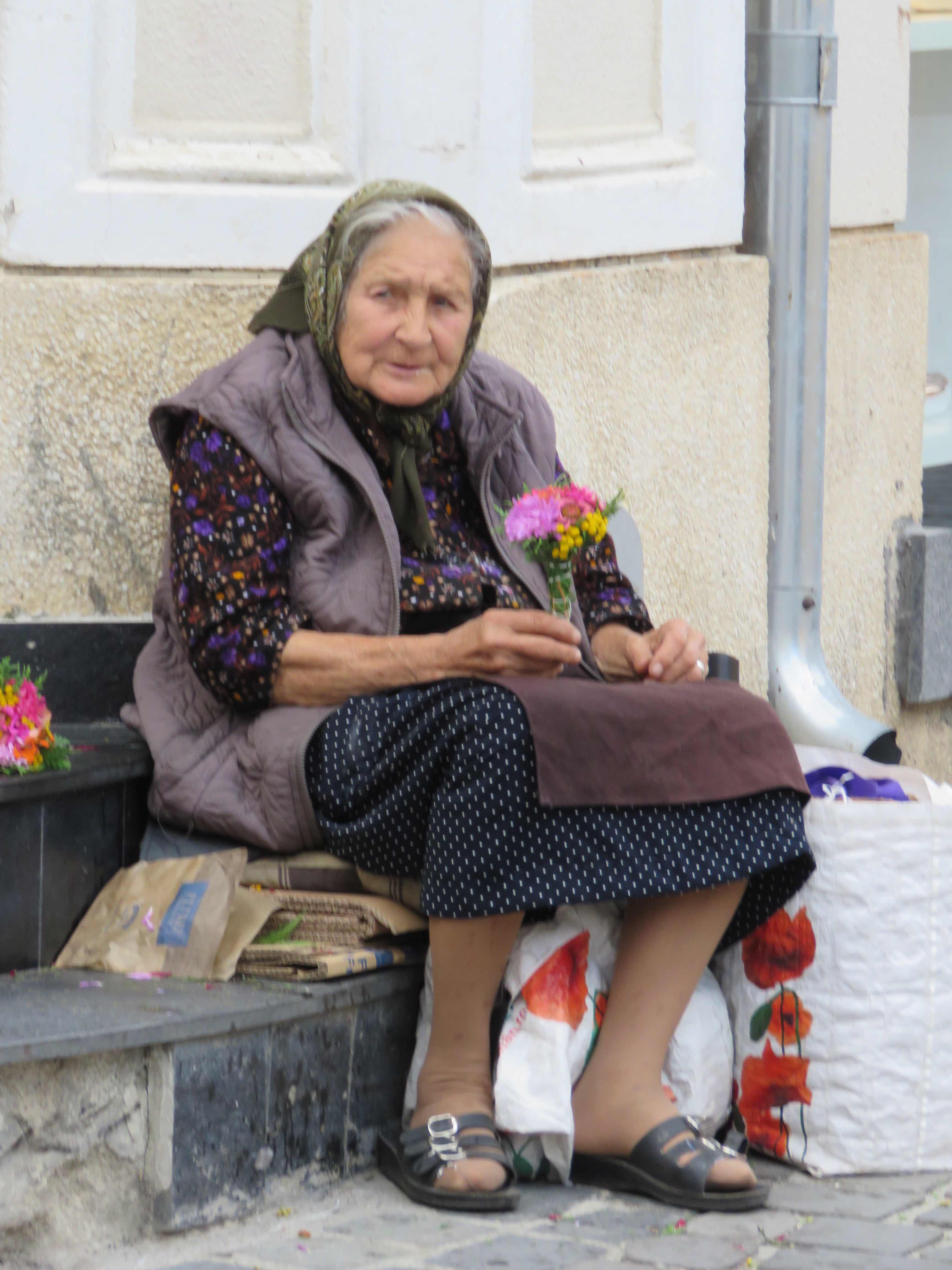
Selling flowers on a stairway

Cater to the taste buds

This looked to me like a scene from Harry Potter

Climbing the hill to Bram Castle

Turret of the castle. Beautiful hills in the background 

Fireplace with cozy sitting 

Steep narrow staircases all through the castle 

Looking up the rock face

Sitting high


A final farewell to “Dracula’s Castle “