Saturday, 10 September 2022

Costa Rica

On August 18th I joined Kris,Brad, Tyler, Alanna, Kayla and Isaac for our trip to Costa Rica.  This trip was replacing a trip that we had planned for Disneyworld in March of 2020 which was cancelled just days before due to Covid.  We flew out of Victoria on the red eye and unfortunately had a 12 hour lay over in Toronto due to flight changes but finally arrived at our destination where we first went to Poas Volcano which is in the central part of the country.  We stayed at a delightful family run hotel the Poas Volcano Hotel where Kris, Brad and the boys had the whole old farm house to themselves.  We spent the next day at the LaPas Waterfall Park with our very informative guide Manuel.  The park is an excellent mixture of wildlife, nature, culture and beautiful waterfalls.  We saw so much and due to Manuel’s extensive knowledge we learned a lot about his country.  For our first day it was very full and enjoyable. Back at the hotel we enjoyed an excellent meal before retiring early as we had an an early start the next morning.


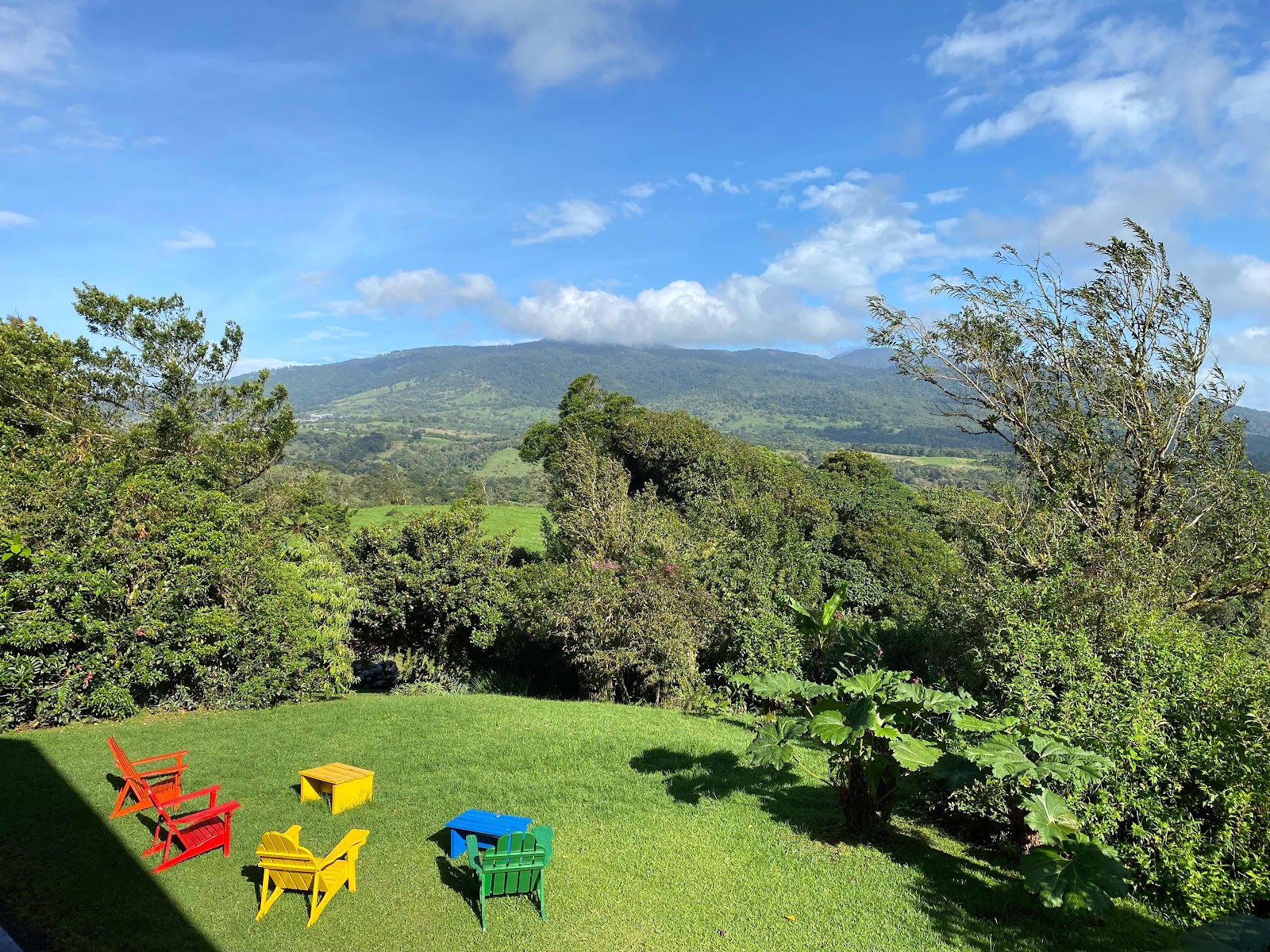
View of the countryside from our room
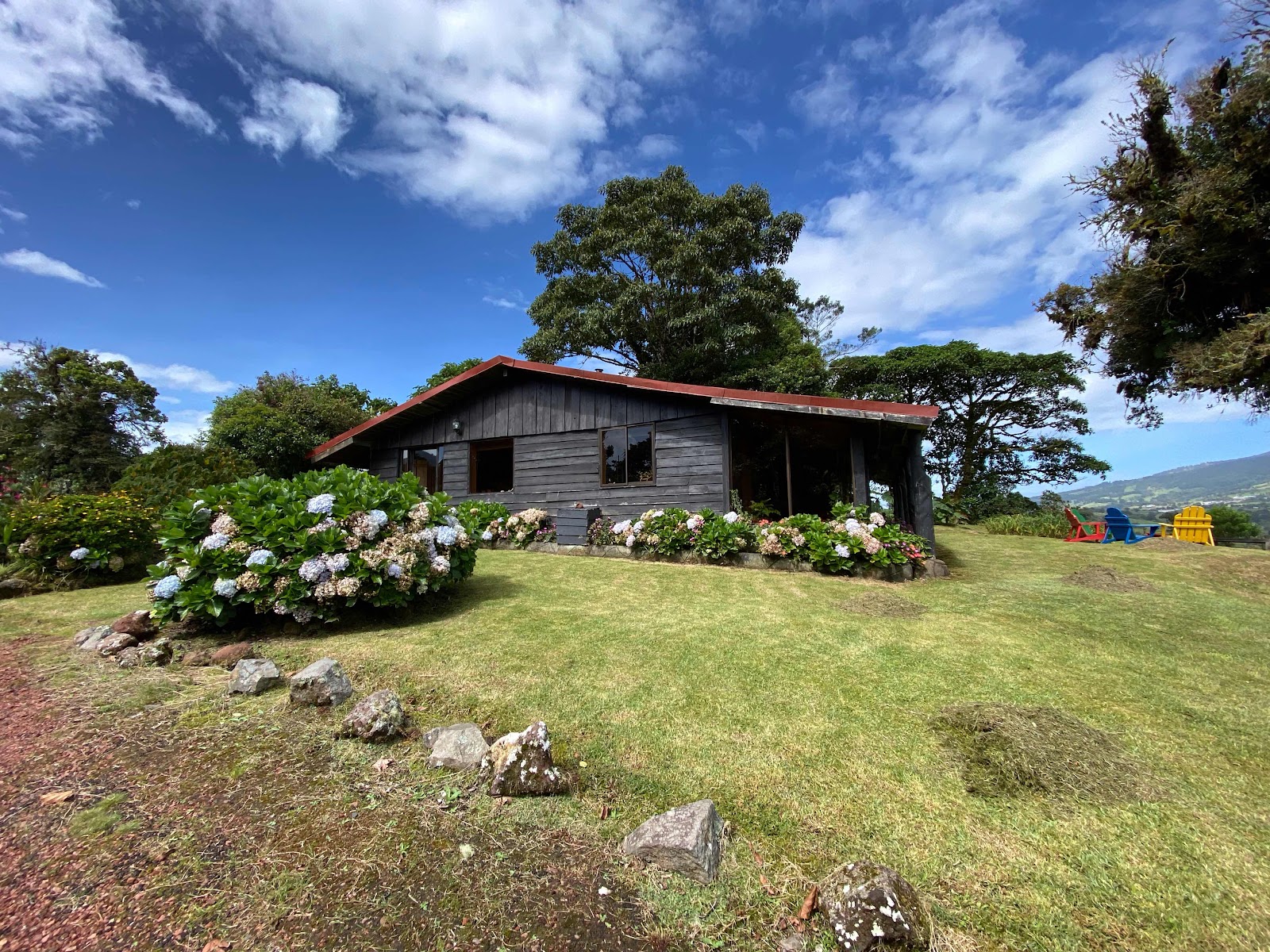
Kris and Brad’s private house with the boys in Poas. A very unique stay
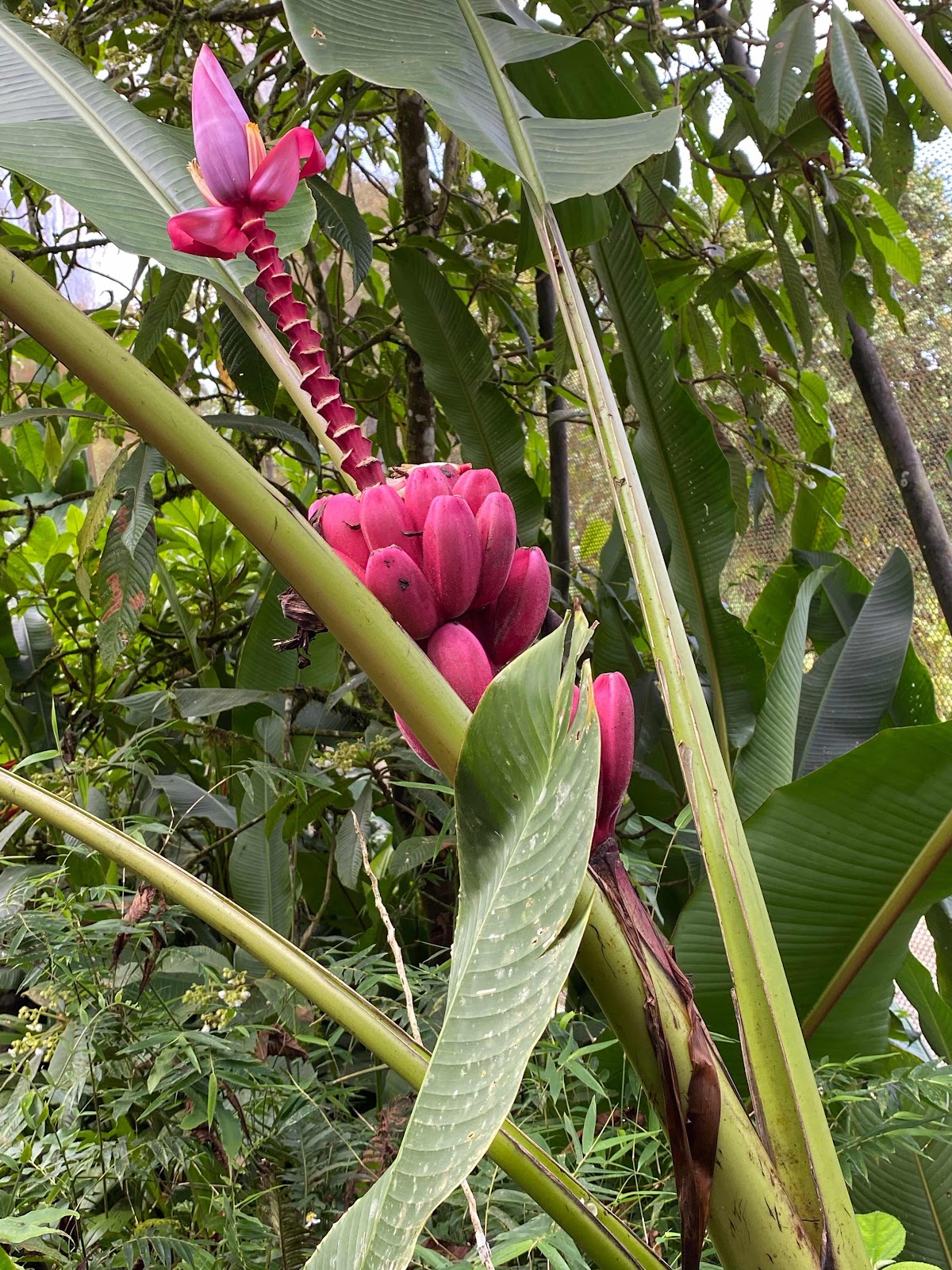
Bunches of red bananas. These are eaten by the animals but generally not by people
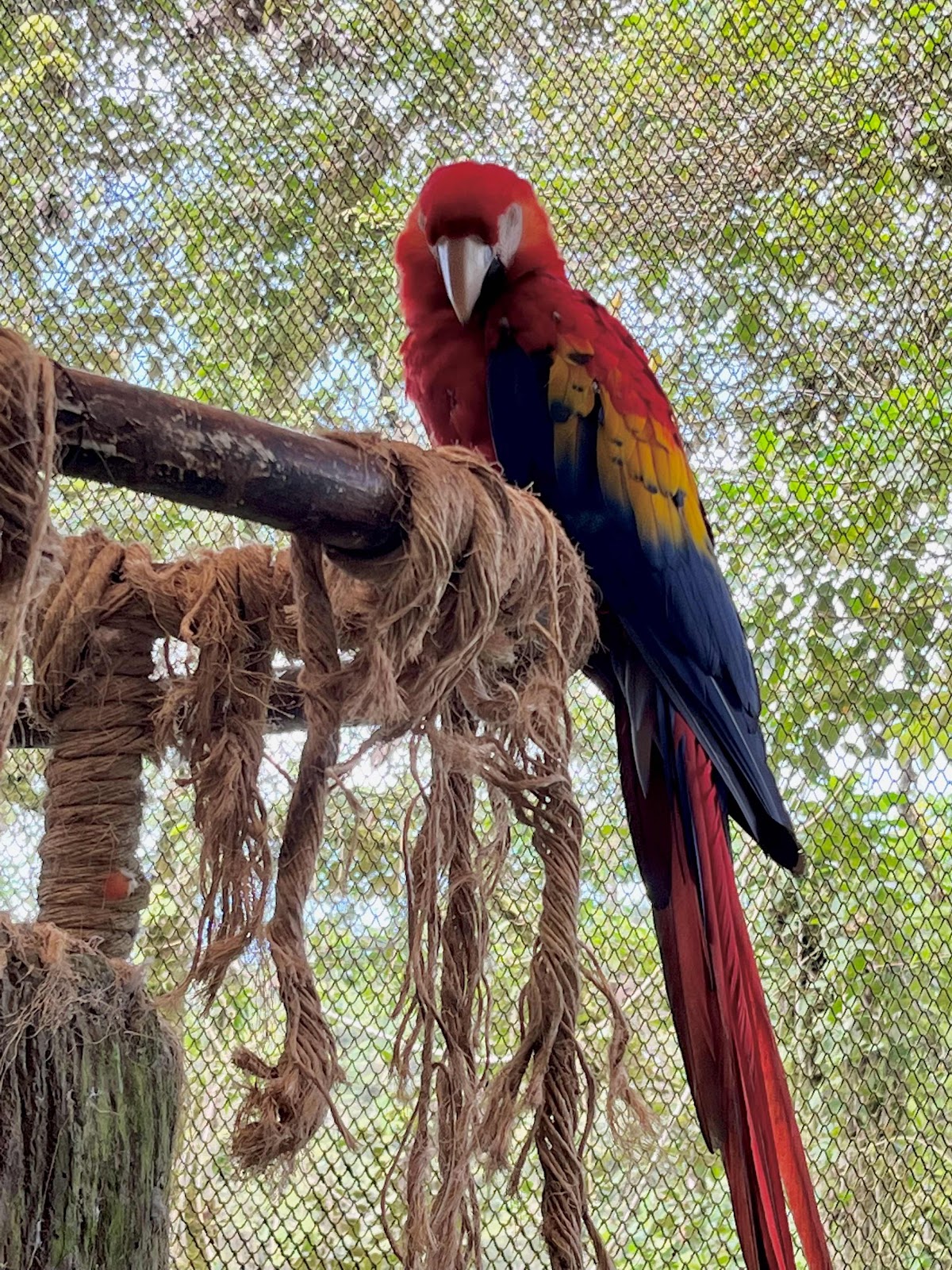
Parrot populations in Costa Rica are making a come back now that they have put a stop to poaching for the black market

Beautiful colourful butterflies abound throughout the country

The butterflies were very friendly and had to be coaxed off one’s arm 
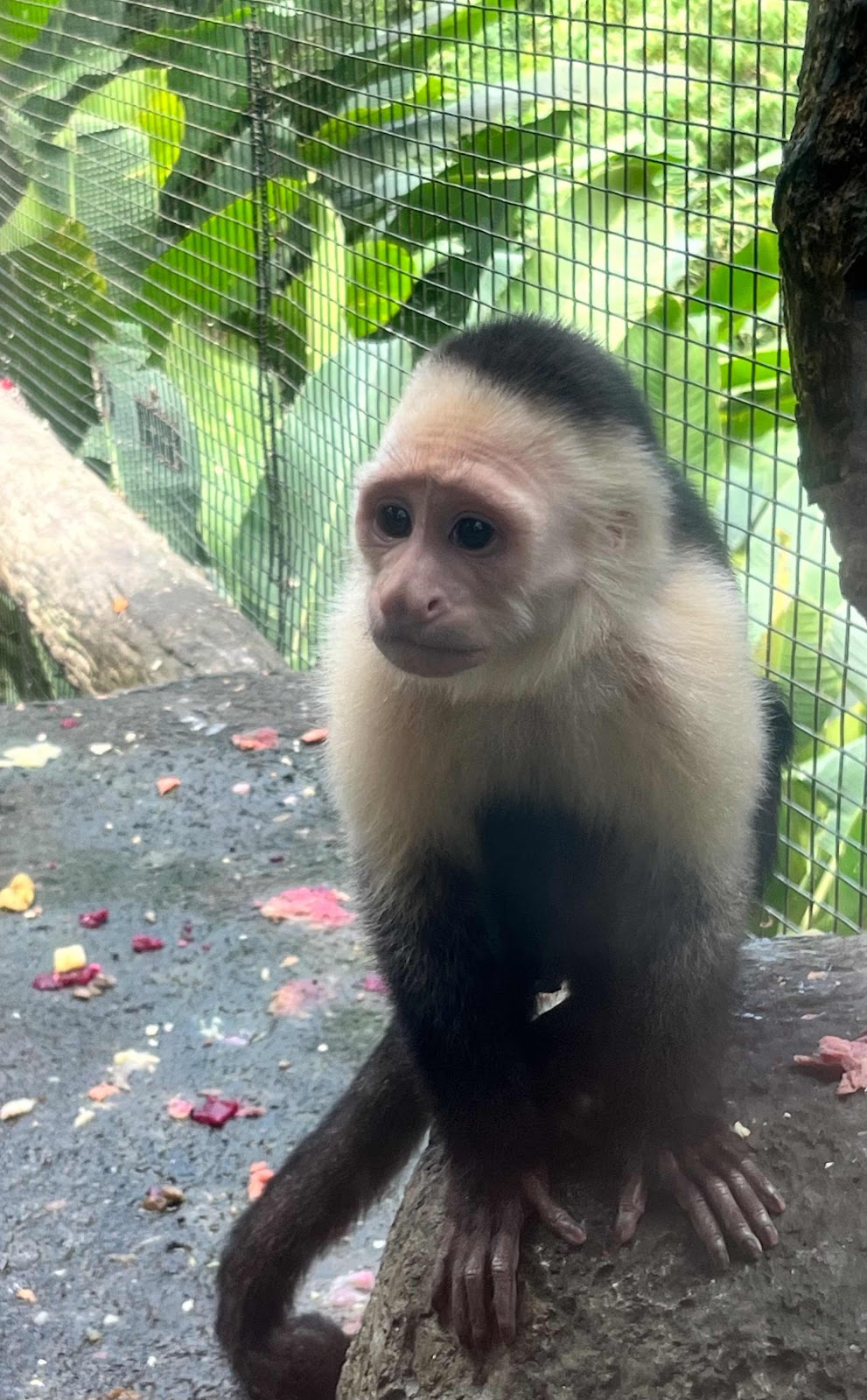
White faced monkeys are one of the four monkeys that are found in the countryside 
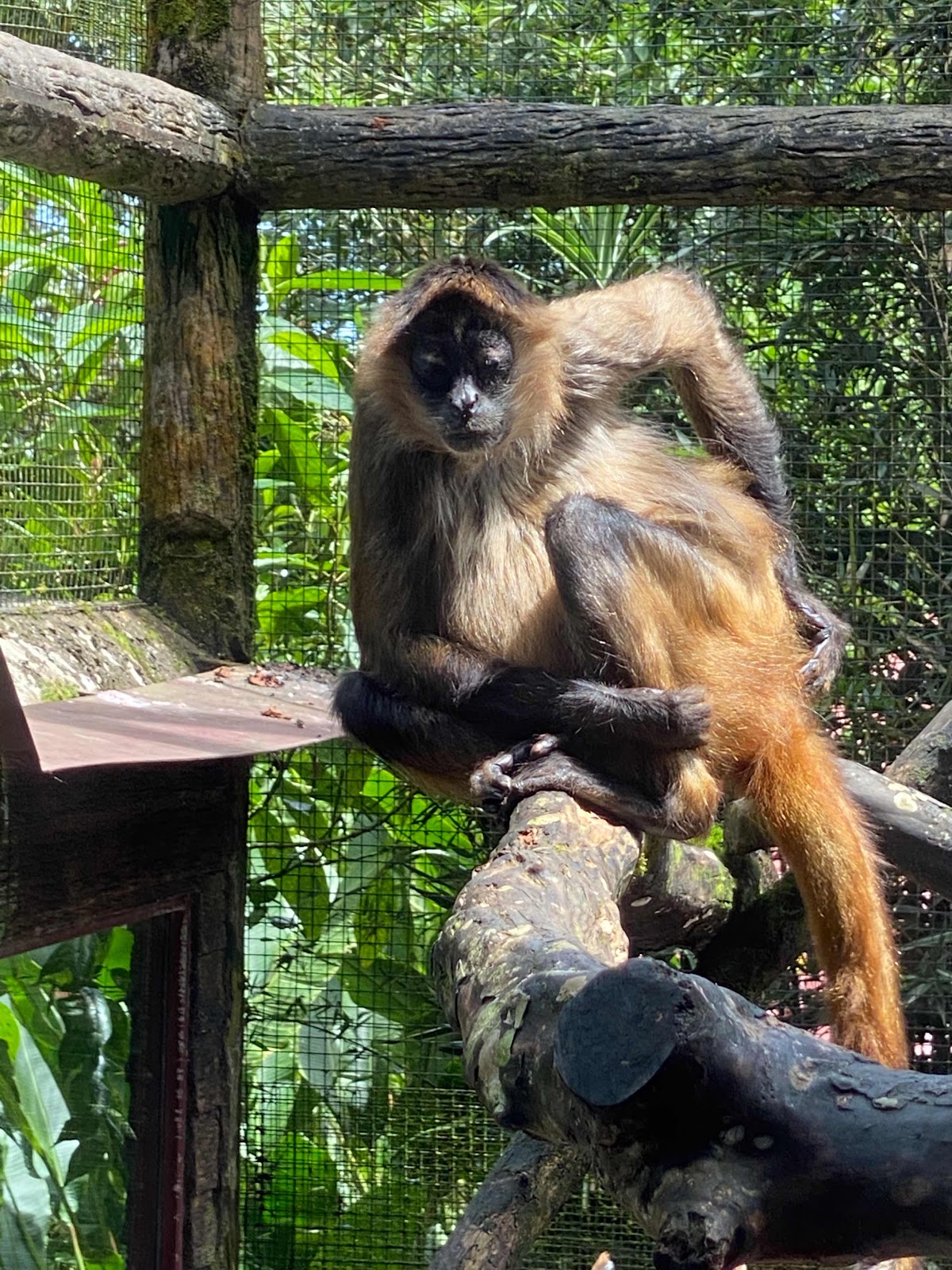
Spider monkeys are also found throughout Costa Rica 

The waterfall gardens were lush with well maintained winding paths that made for a very pleasant introduction to the plants and trees of the country
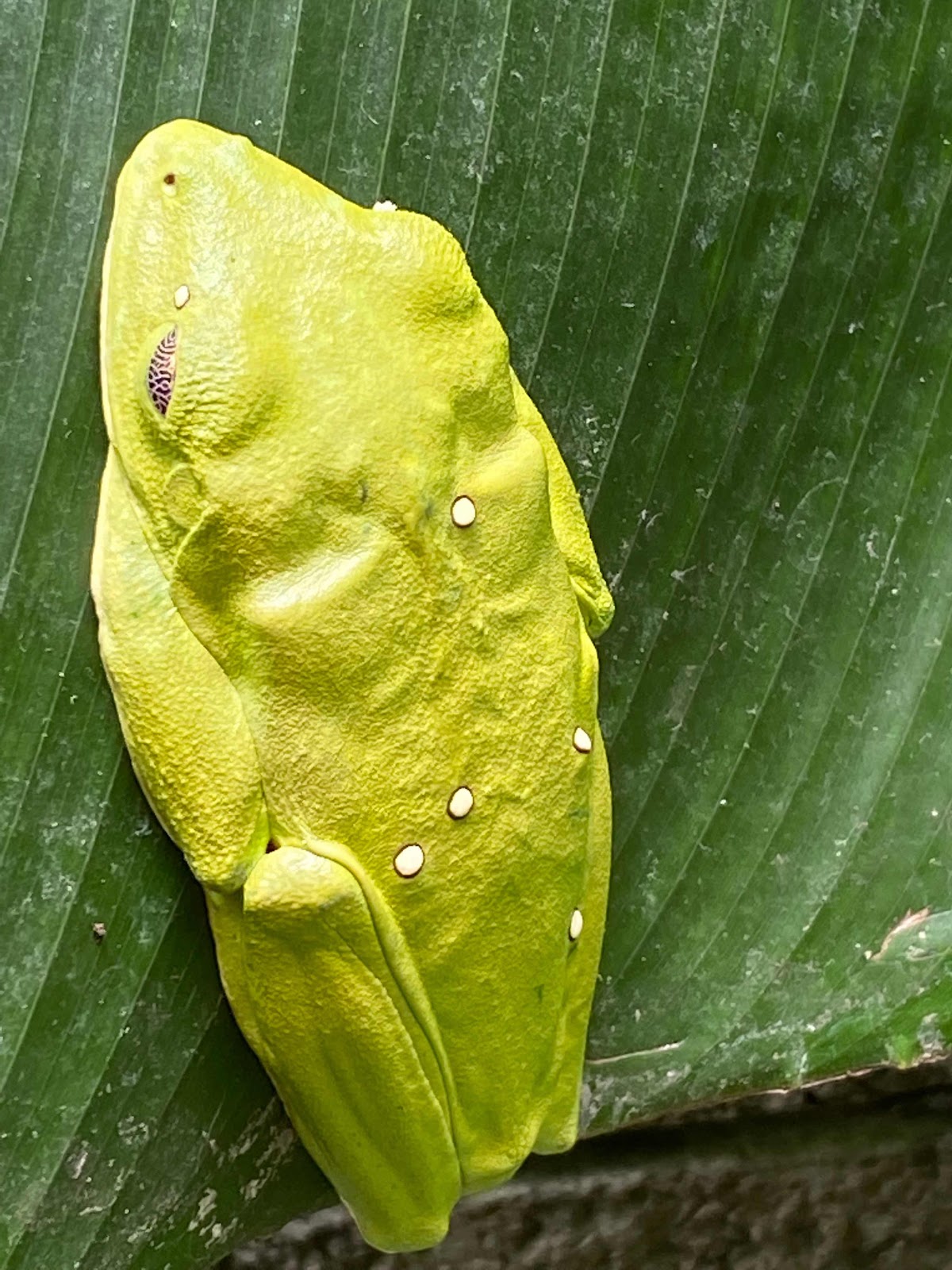
Bright coloured odd looking frogs could be found clinging to the moist plants
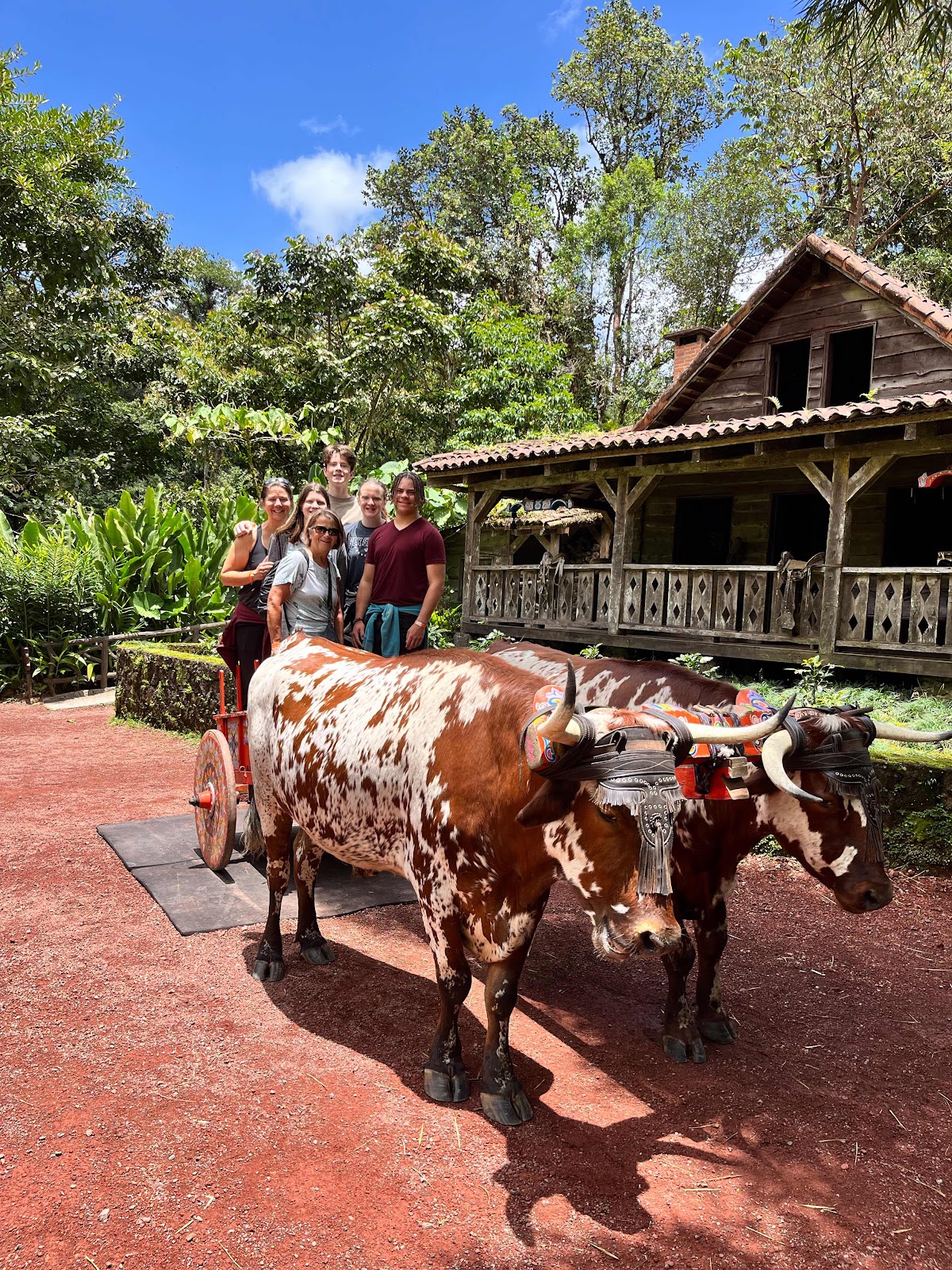
A display of an old farm house with an oxen cart made for a perfect picture opportunity 

A long climb down rewarded us with some beautiful waterfalls 
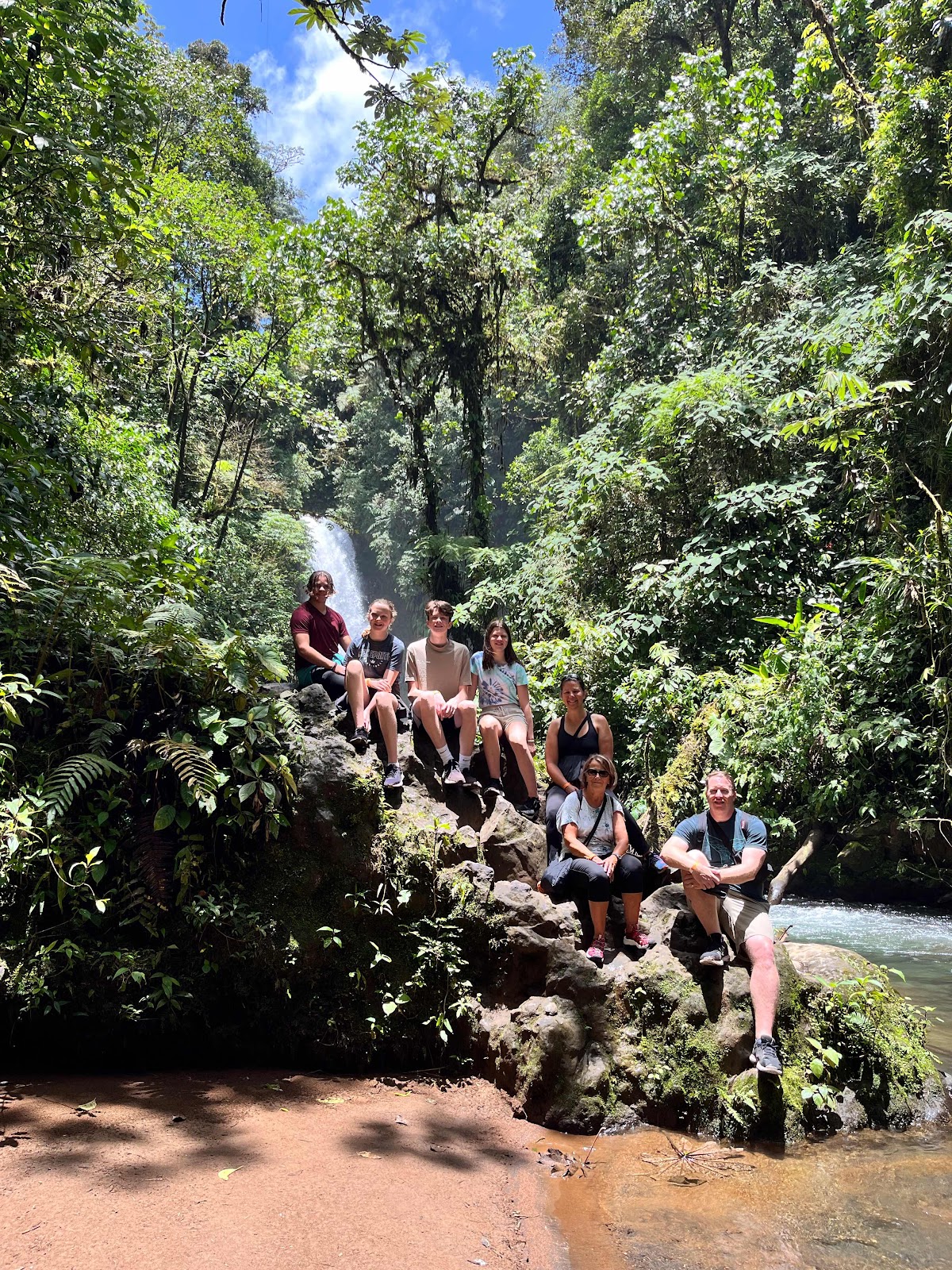
Our guide had his favourite picture places and we took advantage of his foresight 

Costa Rica is also home to six different wild cats. The ones at the waterfall park were rescue animals
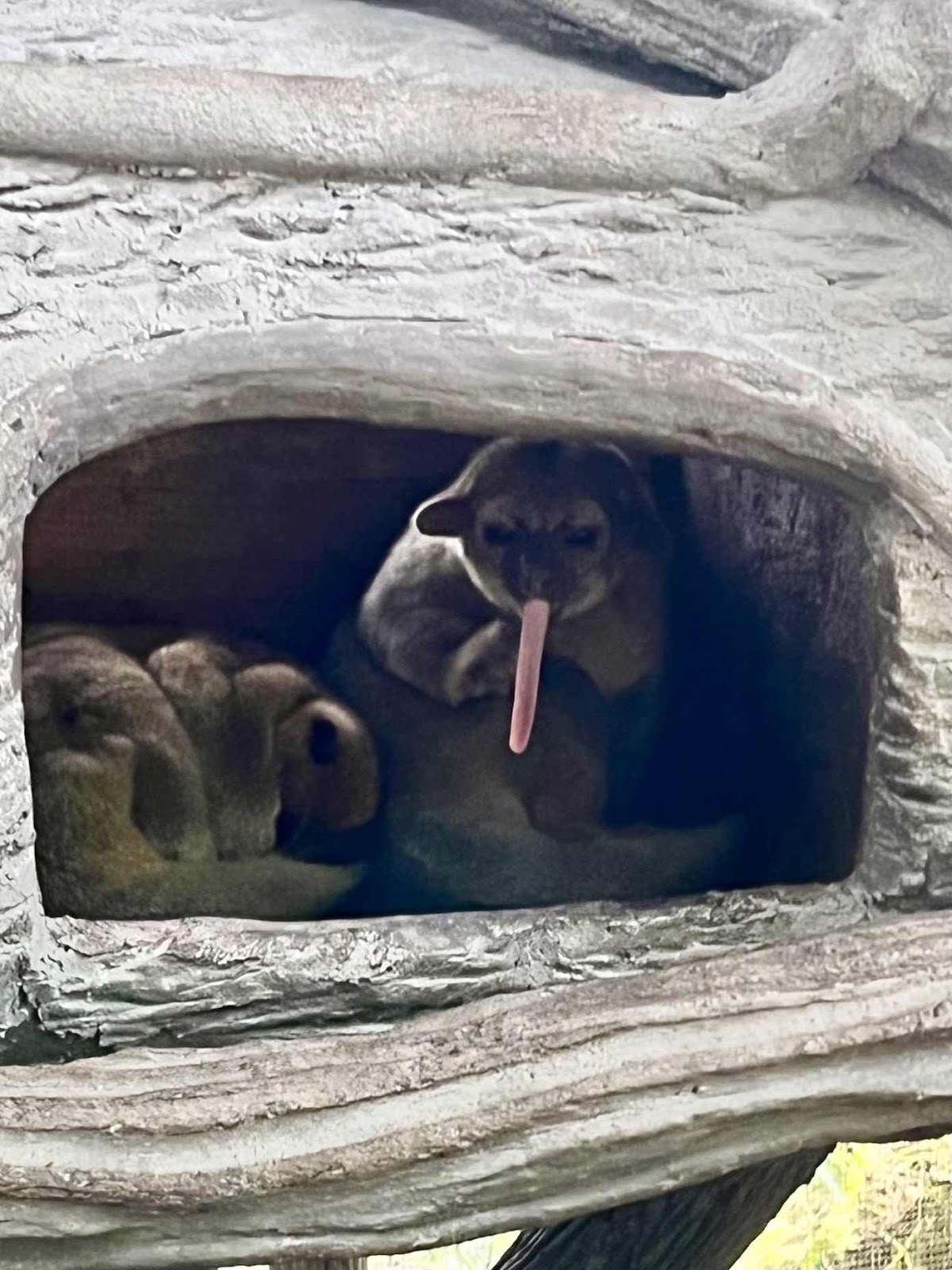
The name of these ones escape me but he looks so cheeky with that long tongue 
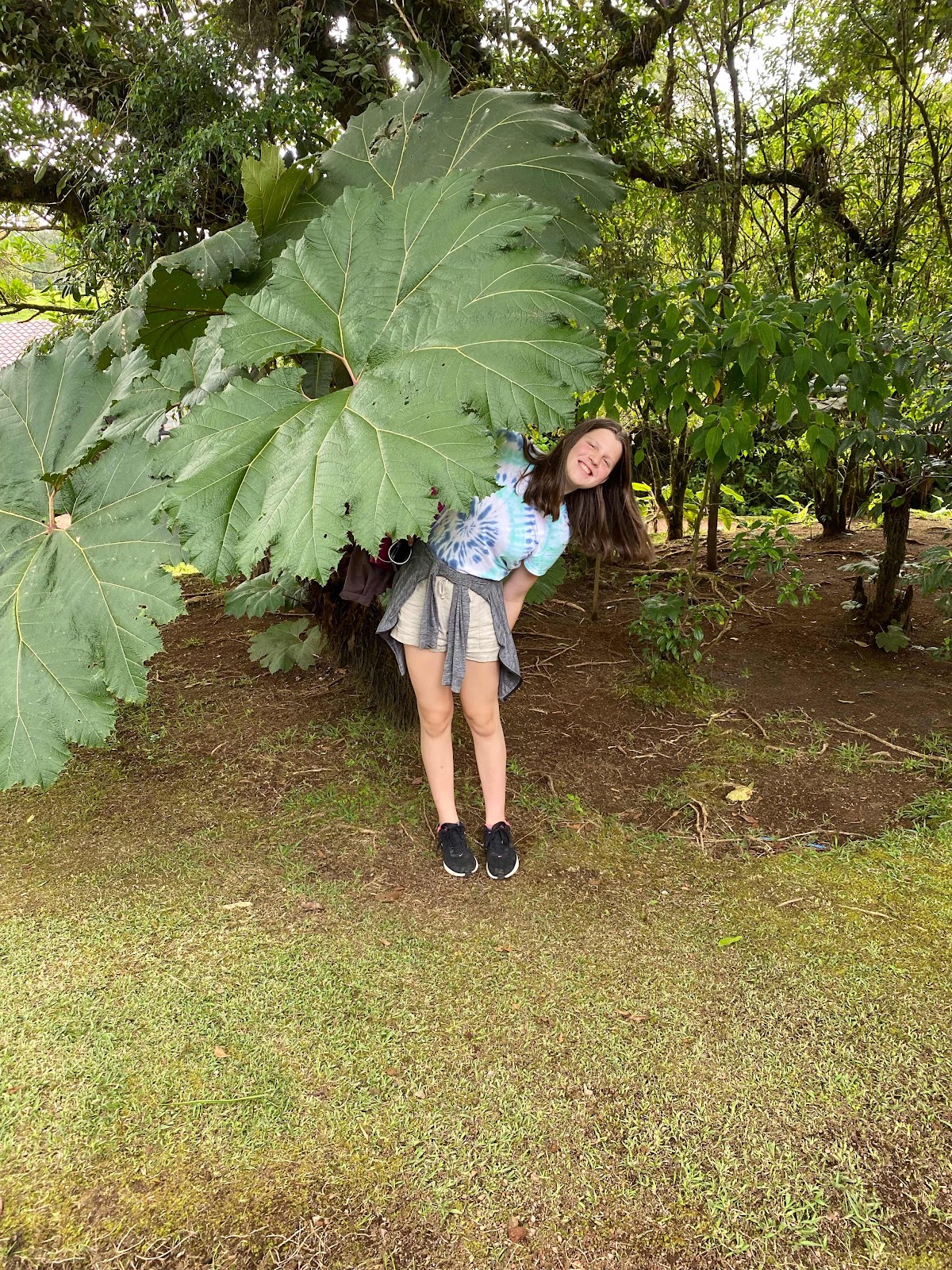
These plants with the huge leaves grow wild all over and are referred to as the poor man’s umbrella. They are also used in emergency situations to stop traffic by being put down in the middle of the road if there are no cones available.



Monday, 15 August 2022

The Fjords of Greenland

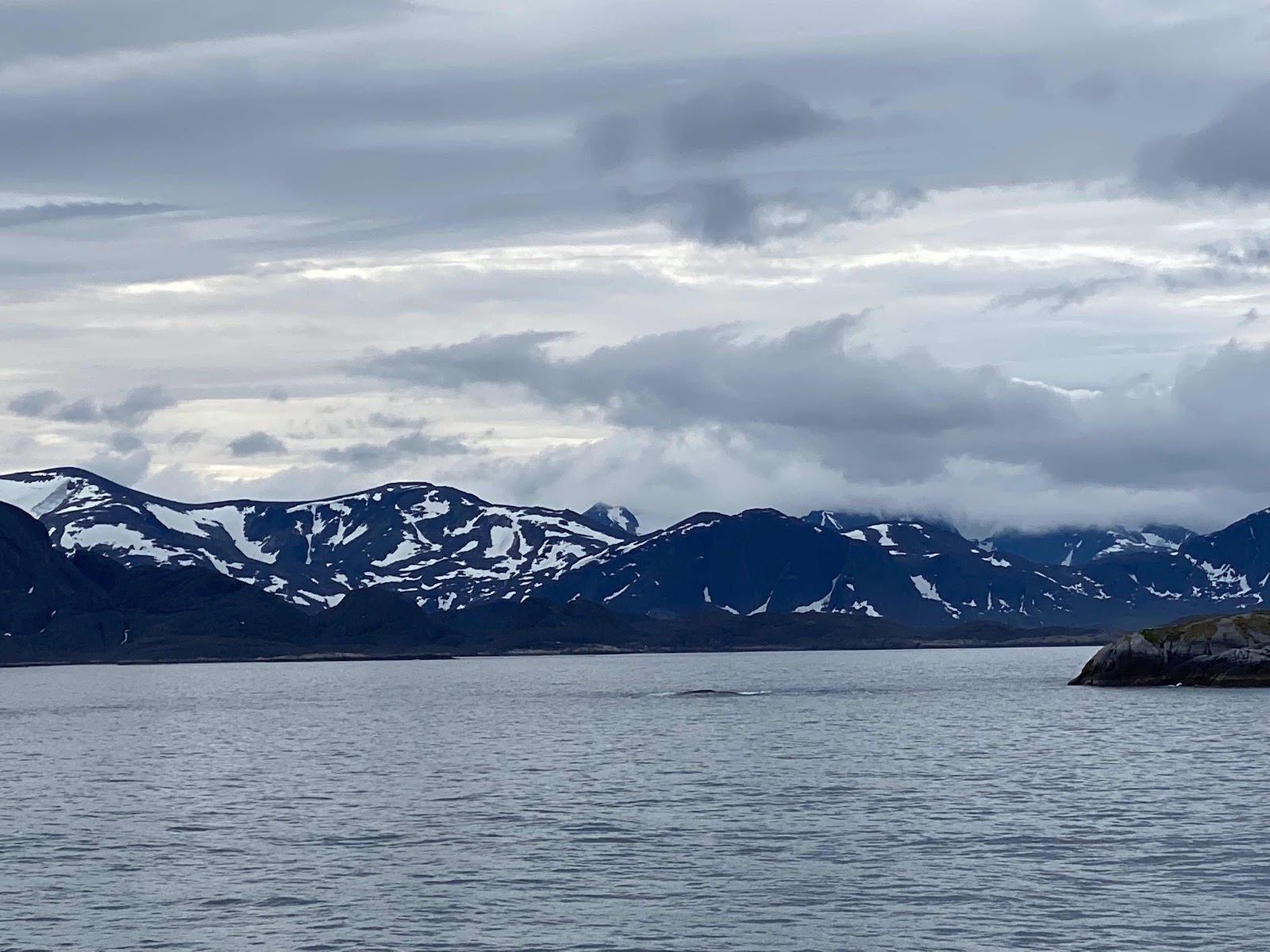
Leaving Nuuk we visited a couple of the beautiful Fjords of Greenland. There are no roads between any of the towns and villages of Greenland due to the topography and this is the reason more people own boats than cars.  Another interesting fact is that north of the Arctic Circle the only breed of dog that one is allowed to have is the Greenlandic sled dog in order to preserve the purity of the breed.
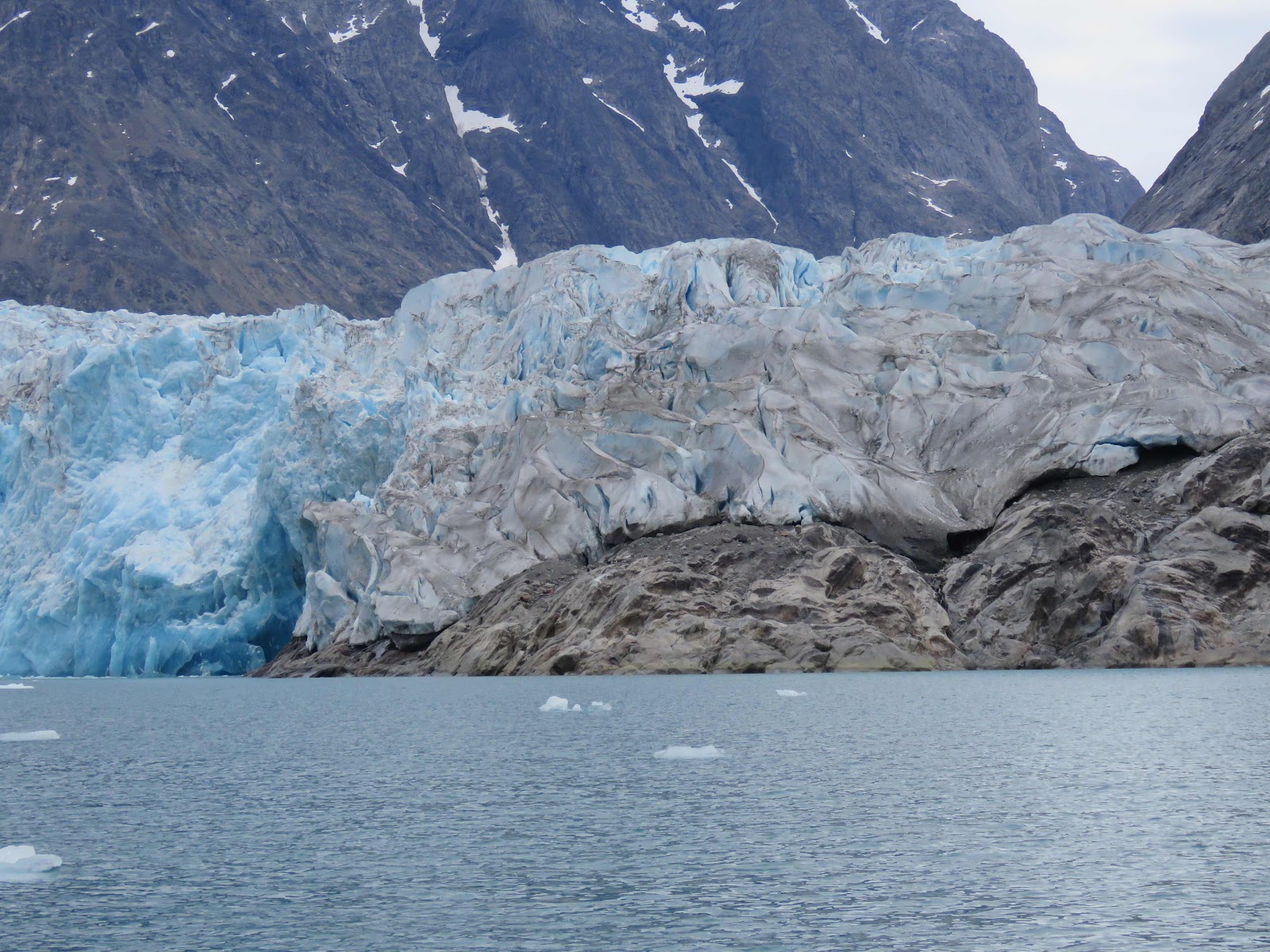
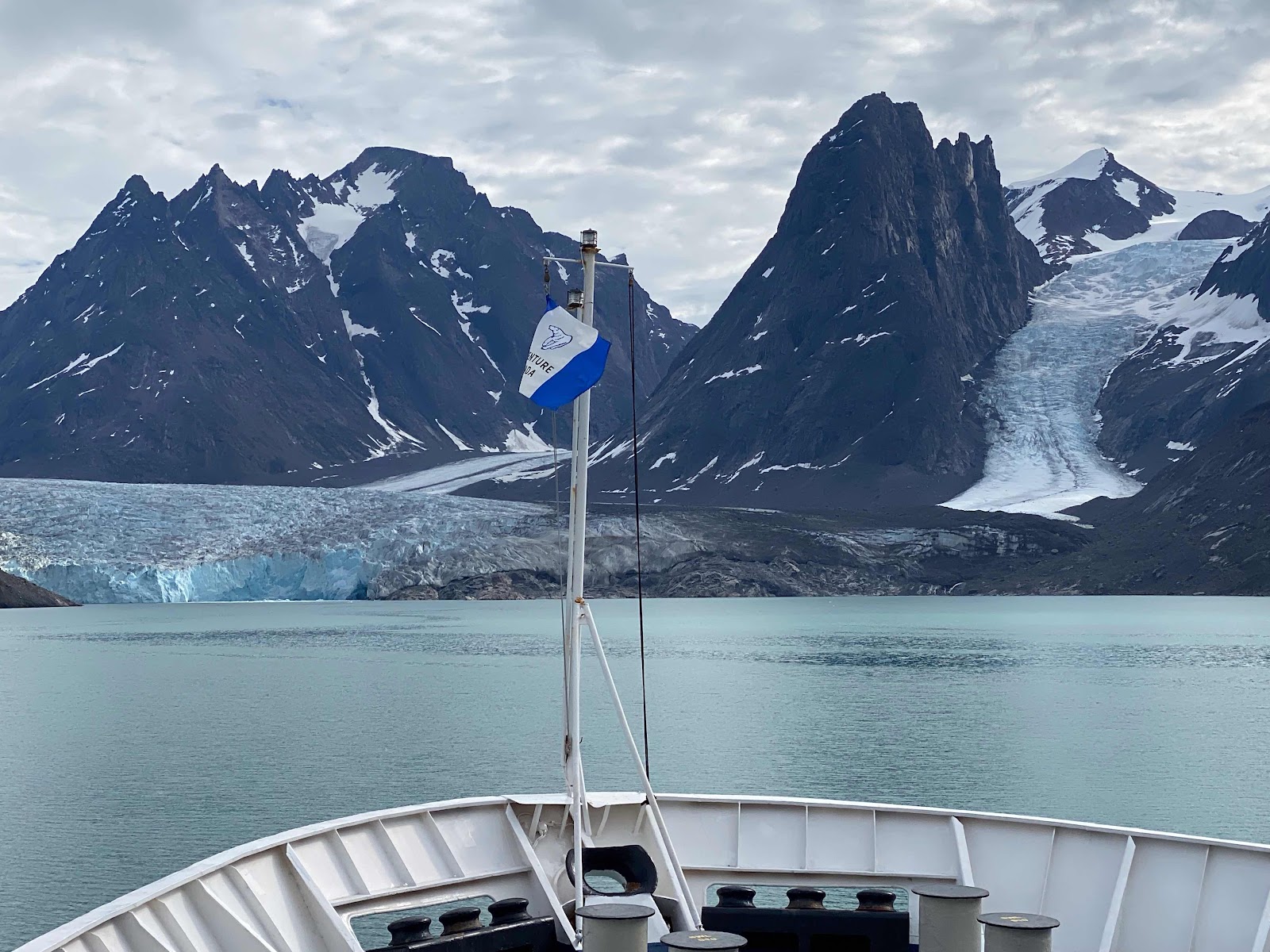
The first fjord we ventured down was the Kangerlussuatsiaq Fjord which is 75 km long and 2300 feet deep.  It is framed on both sides by towering mountains which are some of the most popular climbing spots in Greenland.  At the head of the Fjord a large glacier reaches down into the water.  We explored the glacier by zodiac and sat amongst the floating ice chunks listening to and watching the glacier calf off large pieces.  Surrounded by snow covered peaks it was magical.
All trips come to a close and we finished this one by sailing down the Kangerlussuaq Fjord to the town of the same name which has a population of 500 and boasts Greenland s International airport.  The airport was previously a US airbase during WW II.  From here we flew out on a private charter to Toronto on our way home.


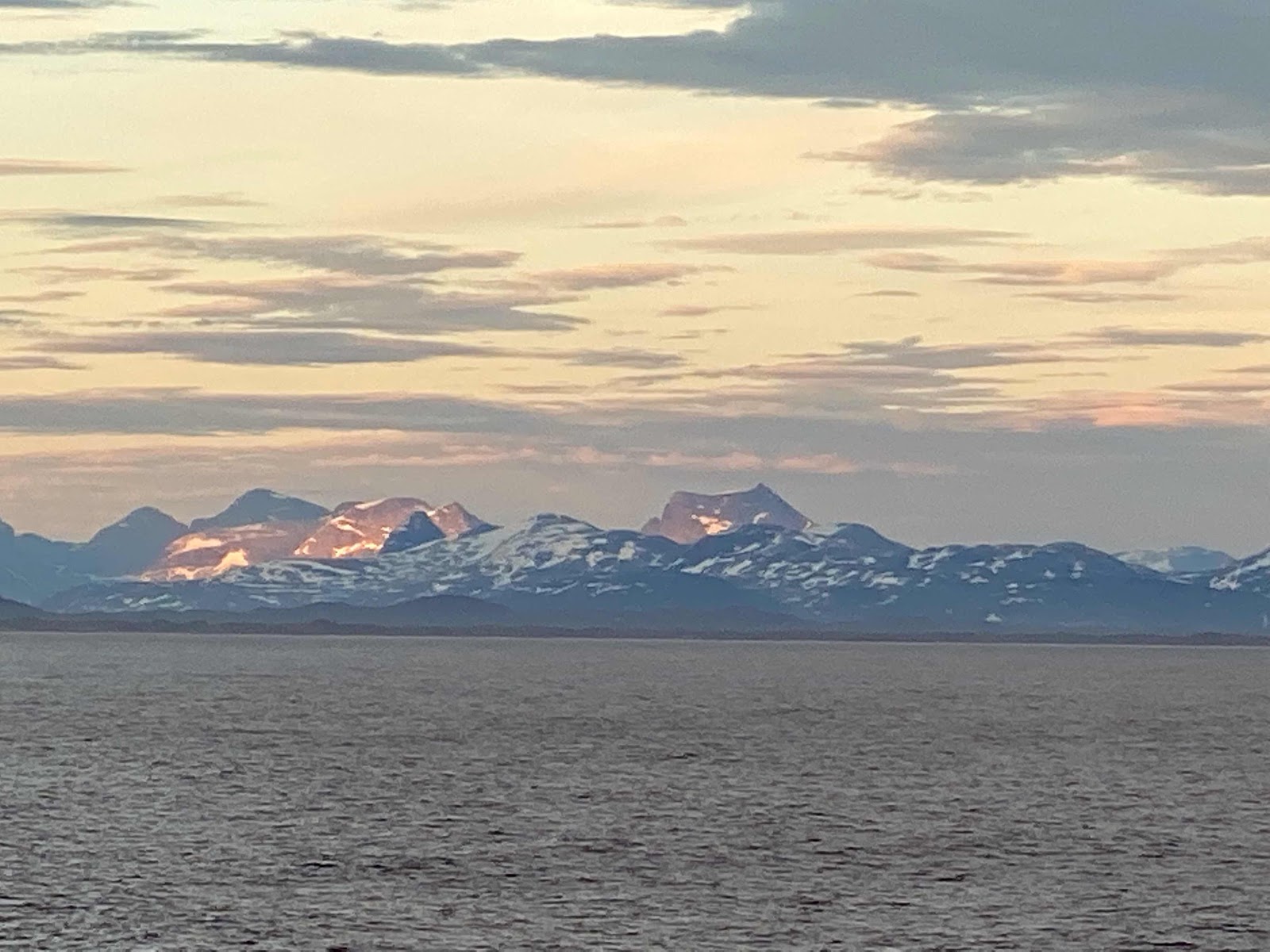
The light on the mountains of Greenland at sunset was spectacular 

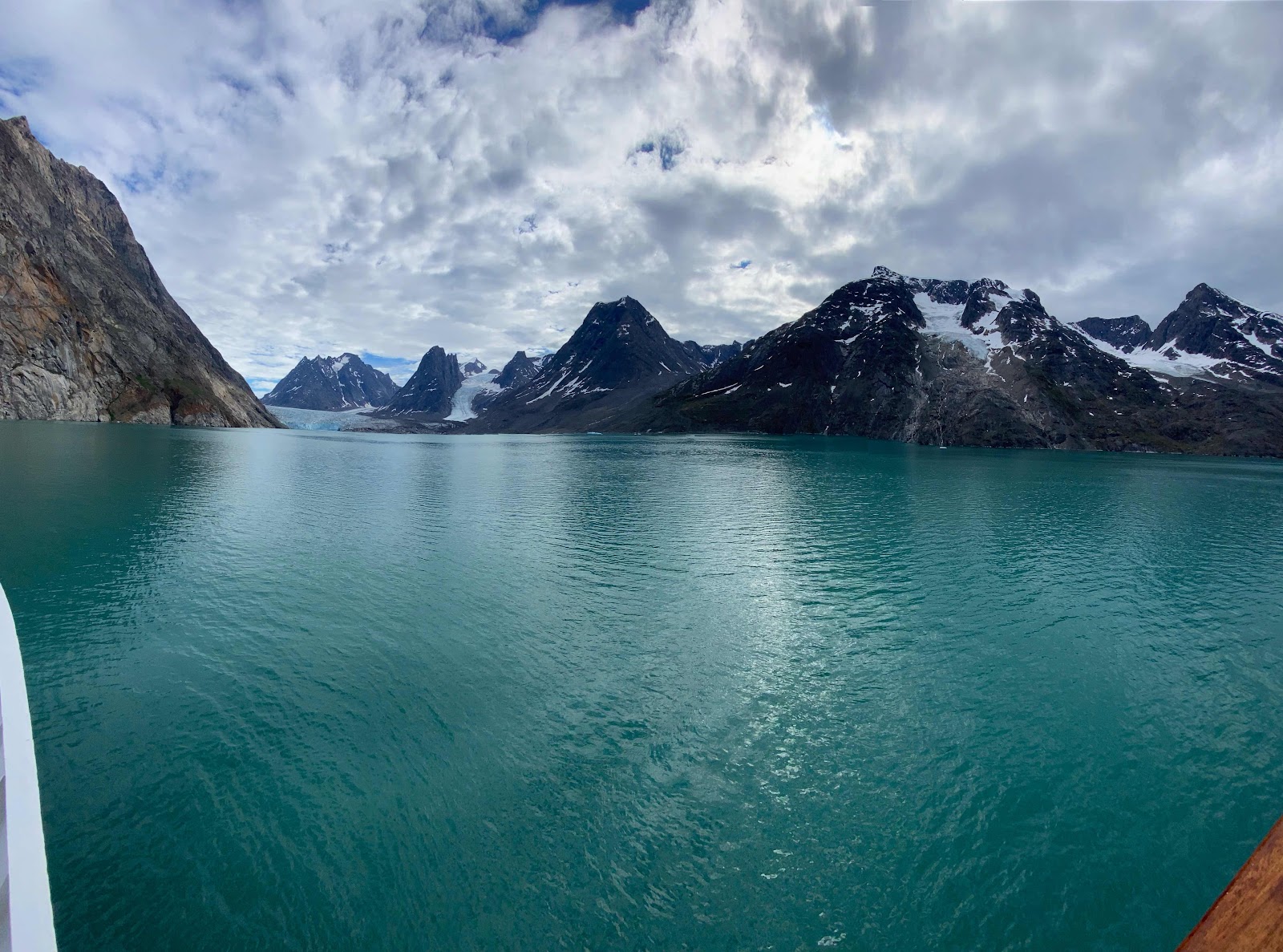
Travelling down towards the glacier the water was a beautiful green due to run off from the ice

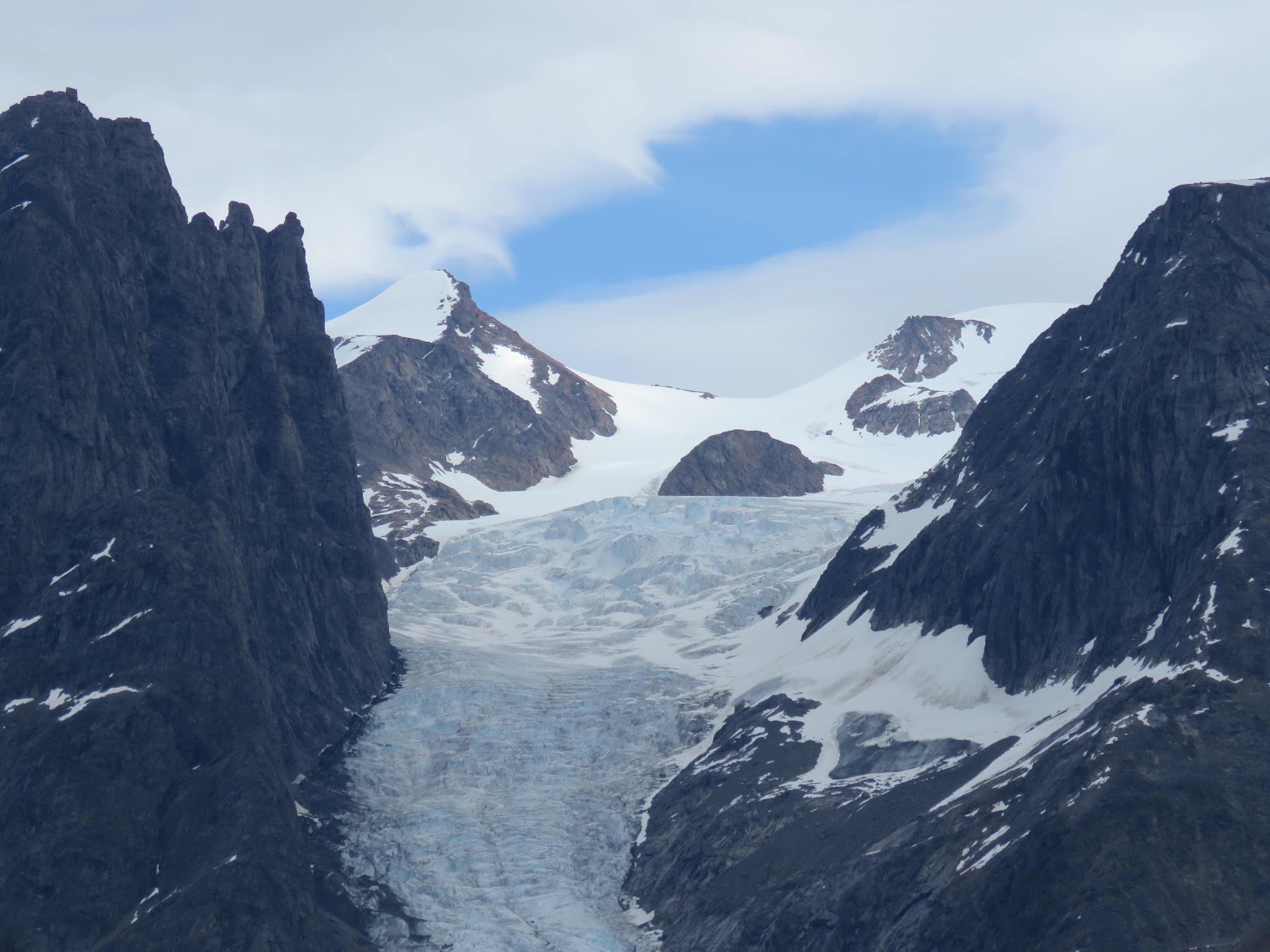
A smaller glacier with pristine snow at higher elevatio

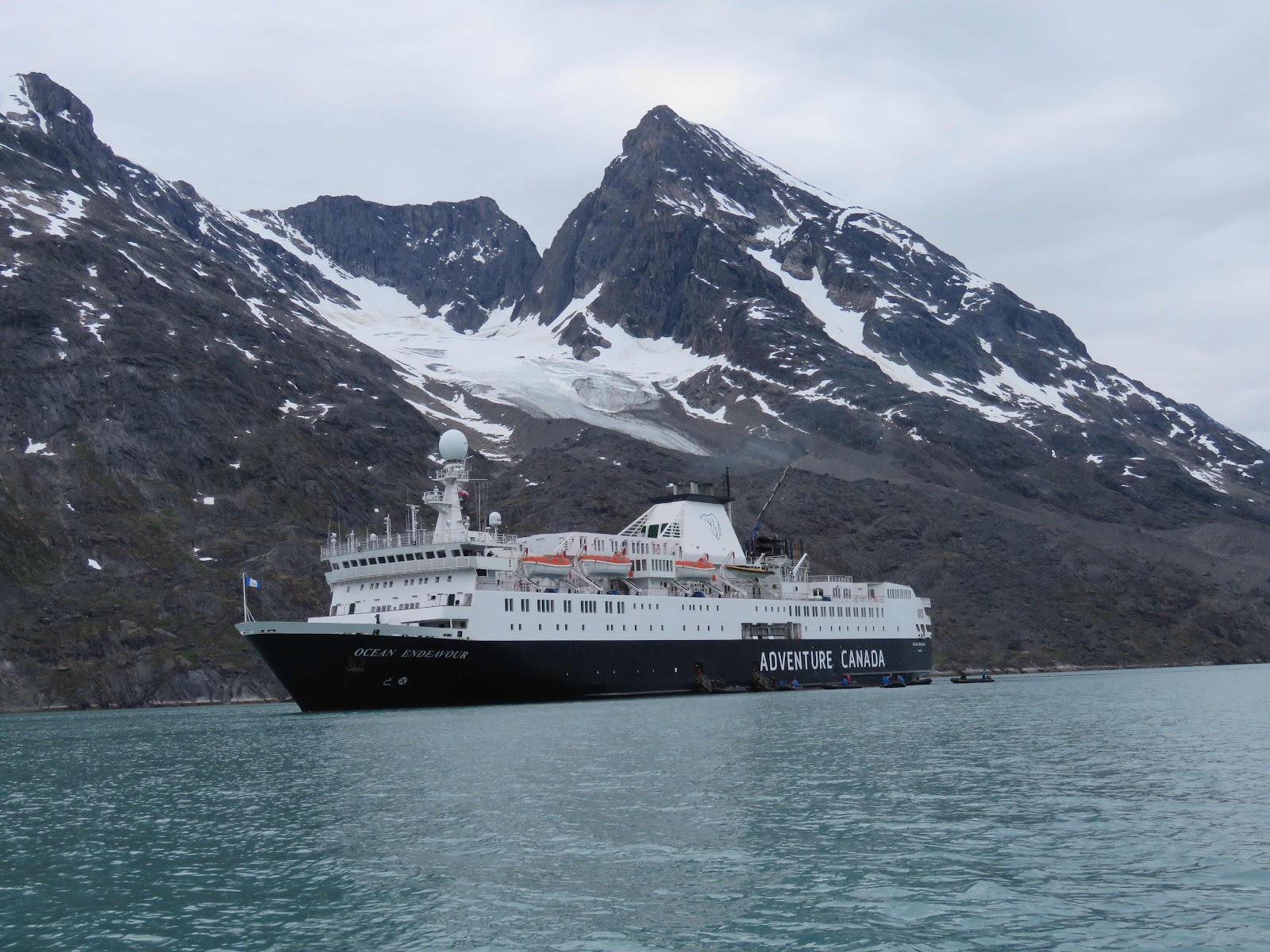
The Ocean Endeavour anchored so we could go exploring 

Getting close to the glacier in the zodiacs

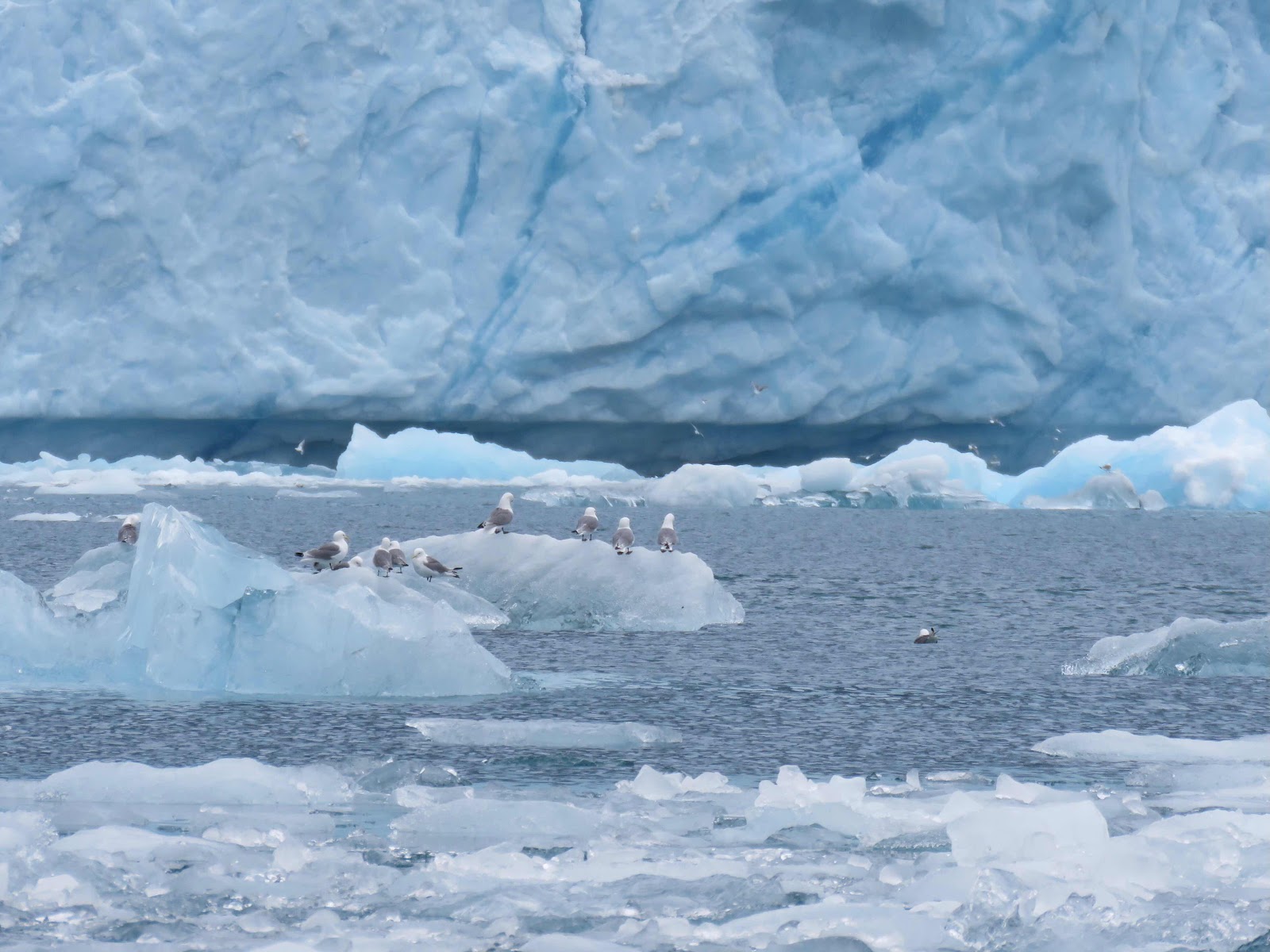
Birds having a rest on the chunks of ice that have calved off of the glacier

This puts into perspective how thick the glacier is at sea level and it gets much thicker as it goes up the mountain

Even with mostly cloud cover we caught some beautiful reflections in the ice covered water

Looking back at the ship with the jagged peaks behind

The different forms that the ancient ice takes on as it has been compressed over the years was fascinating. The brown at the waters edge is also ice

Sailing up towards the airport

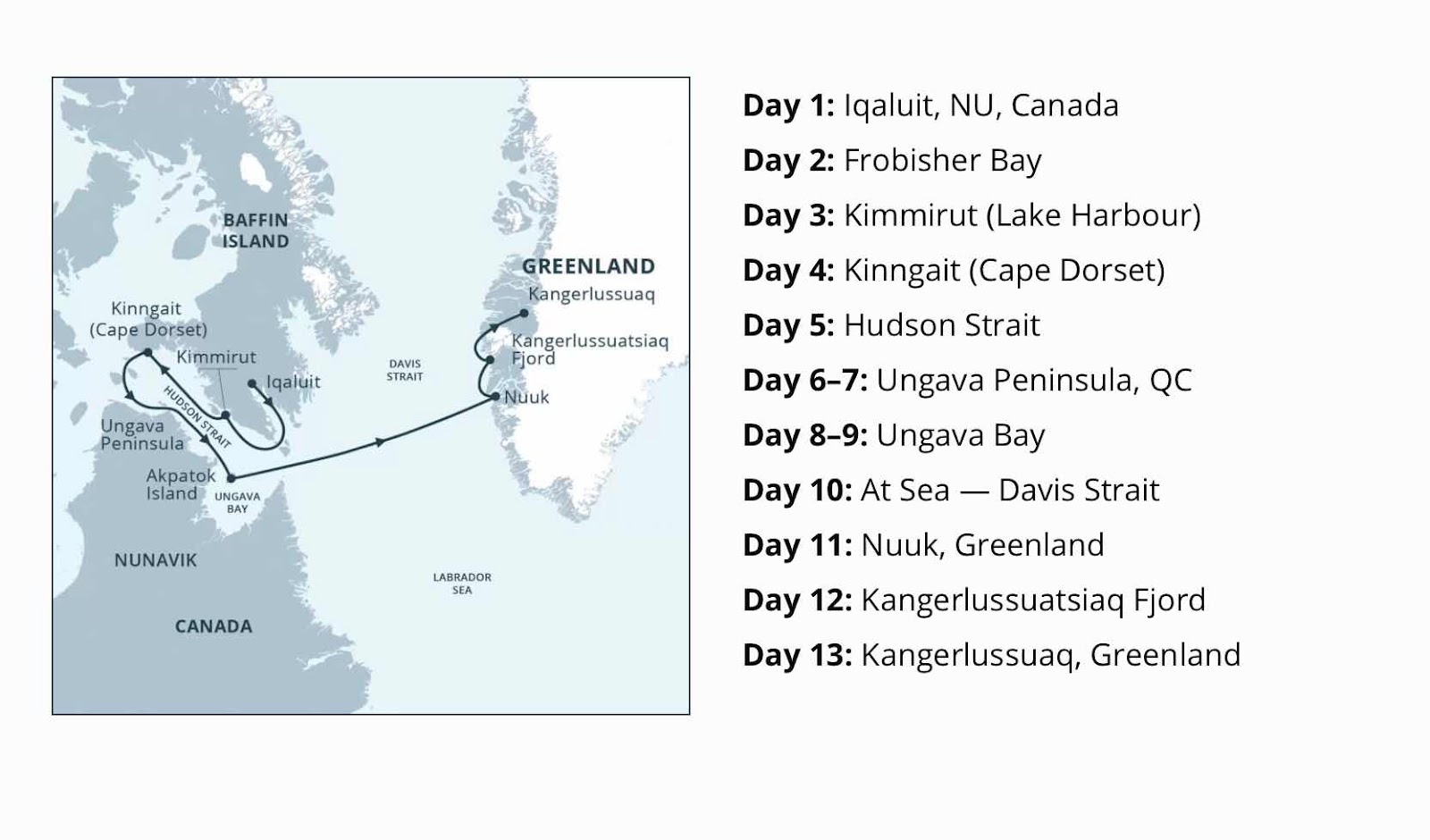
The route we took on our Heart of the Arctic trip with Adventure Canada 

Friday, 12 August 2022

Davis Strait and Nuuk Greenland

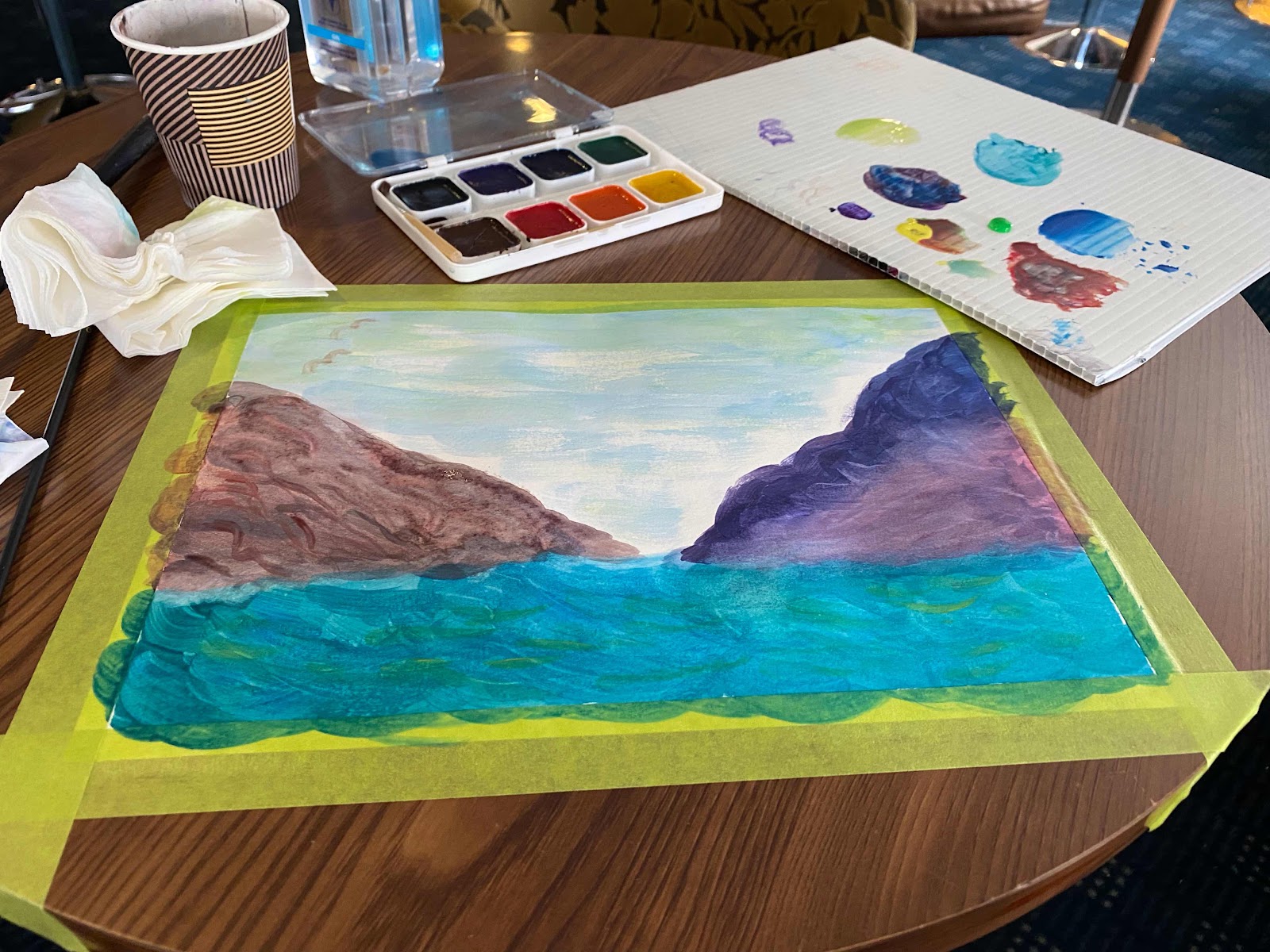
Davis Strait, the broadest strait in the world is at the northernmost part of the Atlantic Ocean and runs between Baffin Island and Greenland.  Our crossing took a full day plus some during which time there was plenty to do on the ship with lectures, films art classes and even meditation.  One could learn some throat singing if so inclined.  I took a water colour painting class from an Inuit artist which was really fun.  I am the first to admit that I have no painting ability but my finished product was not terrible.  The crossing was a bit rolly but nothing that bothered us though others suffered.
Our first port of call in Greenland was Nuuk.  Greenland is an island country that is part of Denmark and Nuuk is the capital of Greenland with a population of 20,000.  The only way in is by boat or plane.  One thing that really surprised us that for a city this small they had huge marinas with high quality boats. As it was explained to us by our guide the only way residents can get out of town is by boat so anyone that can afford one has one.  The town has quite a tourist draw and we visited the museum which was well set up and walked through town browsing through many of the art stores.  As it was a Sunday stores that were not designed for tourists were closed but that was not what we were there for.  Most of the residents live in apartment or condo buildings with very few single houses.  In the old part of town the colour of the house indicated what your profession is, for example black is law enforcement and red is medical.

At the beginning of the crossing the skies were clear and the seas were rolling

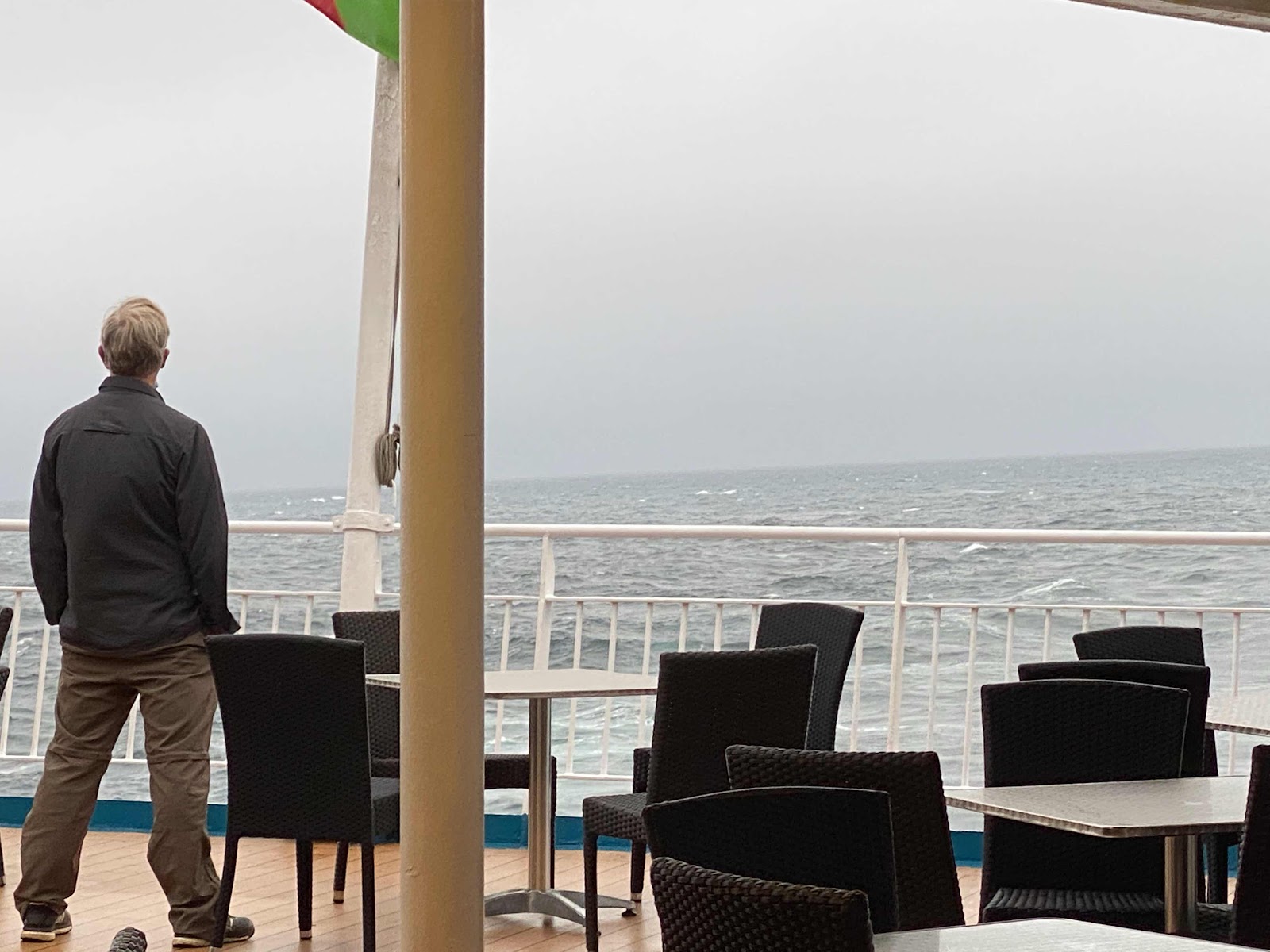
As the crossing progressed the seas got rougher and the fog rolled in. Icebergs were spotted in the distance but not a lot to see

My feeble attempt at watercolour but the class was fun and Nancy was entertaining and way too complimentary 

Nuuk is a port city so for the first and only time on the trip we were tied up and walked off the ship to explore the town

Beautiful setting with actual mountains in the background 

Huge marinas for all the residents boats

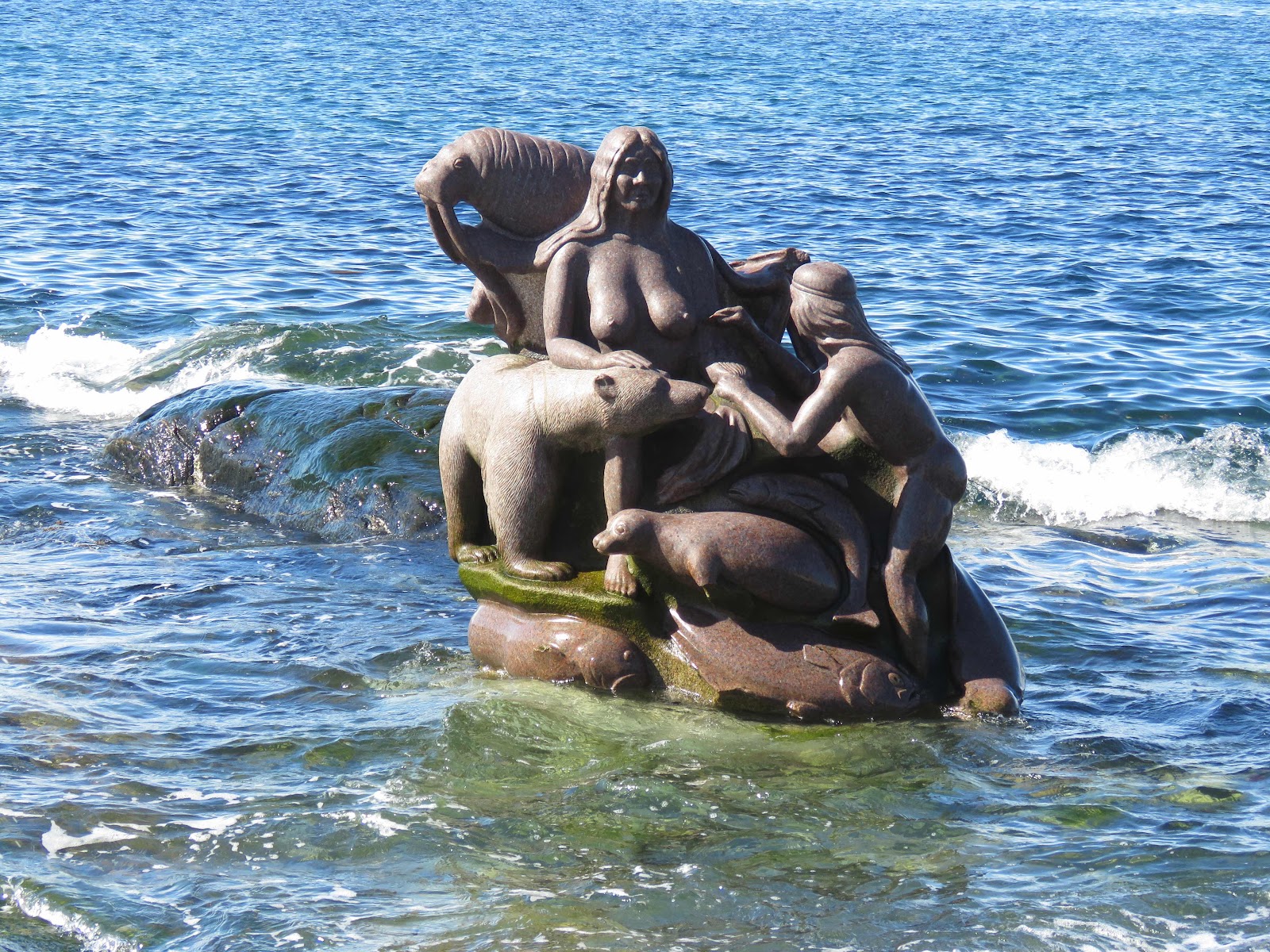
Beautiful sculpture at the base of town sitting on a rock in the ocean

Display of National costumes in the museum

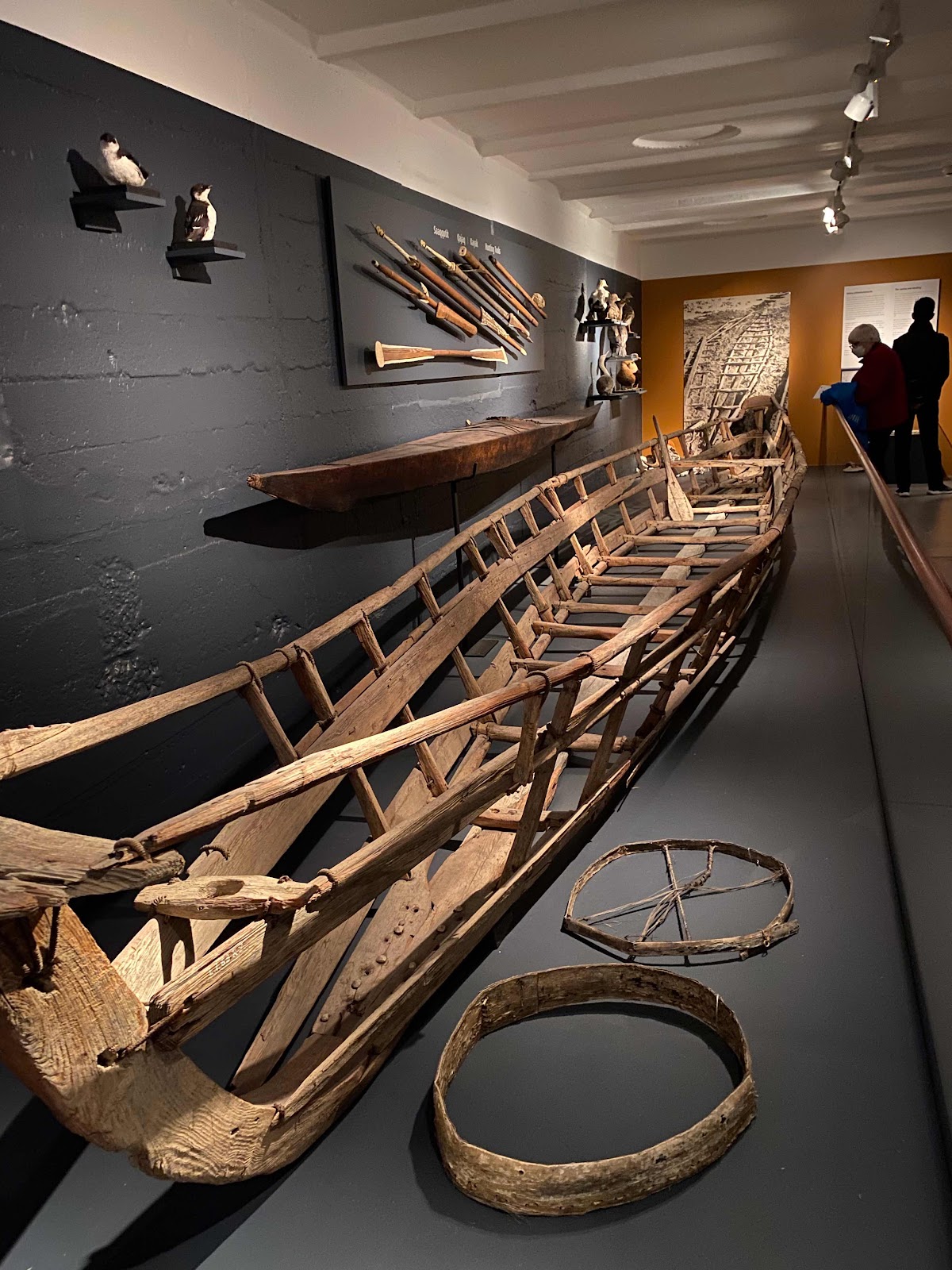
Frame of a traditional canoe all held together by leather so it would flex. This would then be covered with seal skins

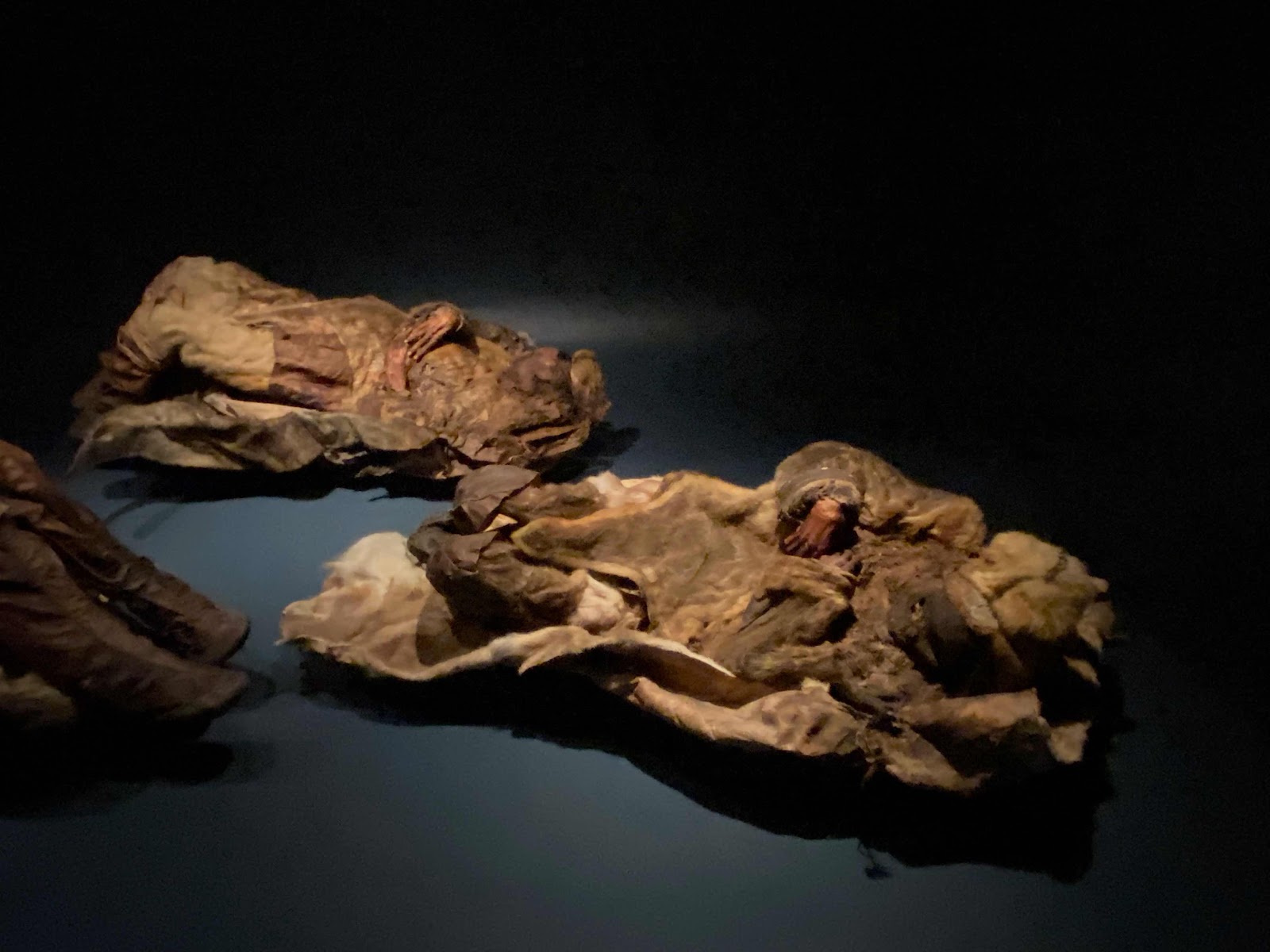
Petrified mummies that were found in the ice and eerily well preserved 

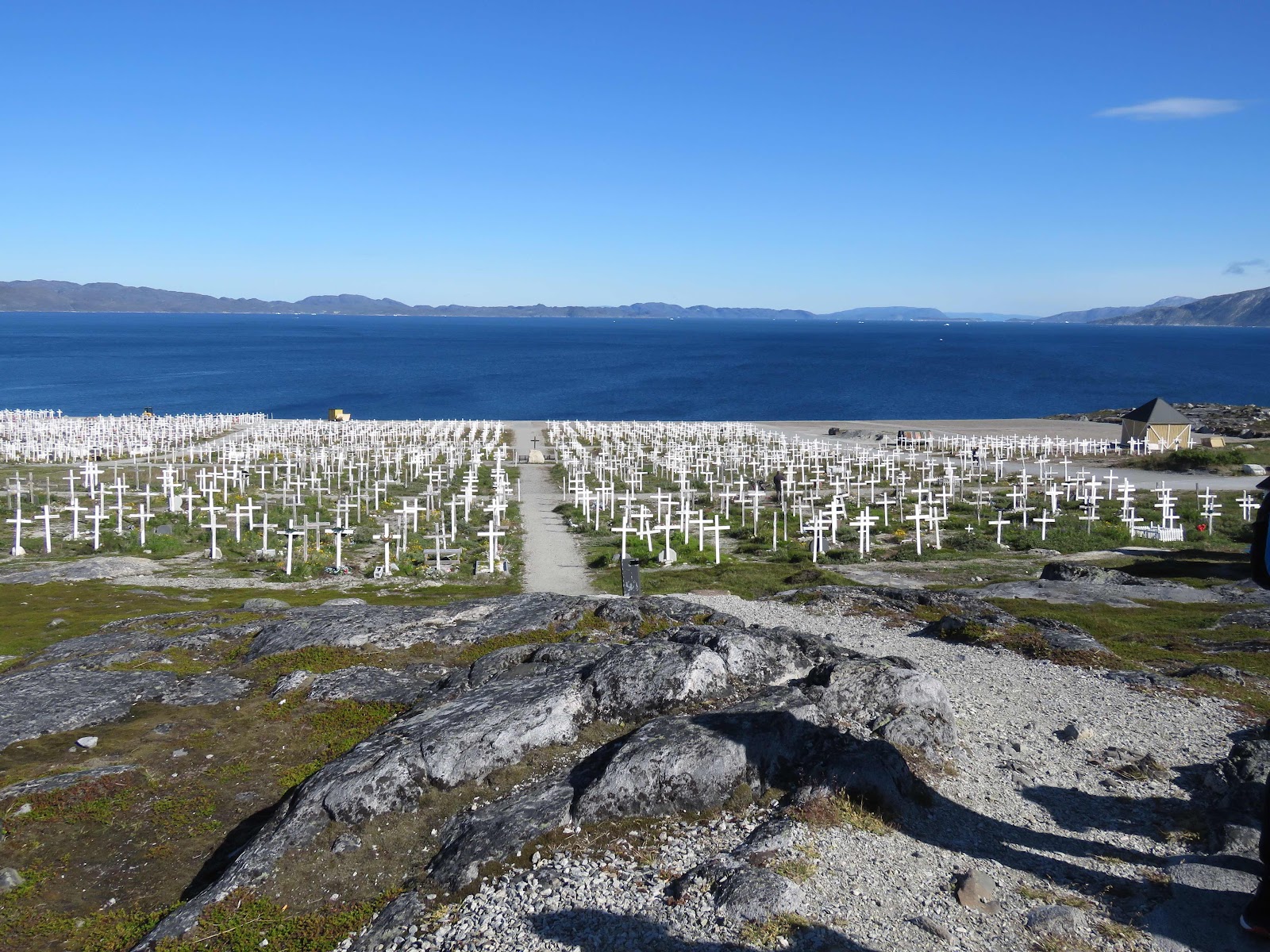
Beautiful location for a cemetery with the local traditional white crosses

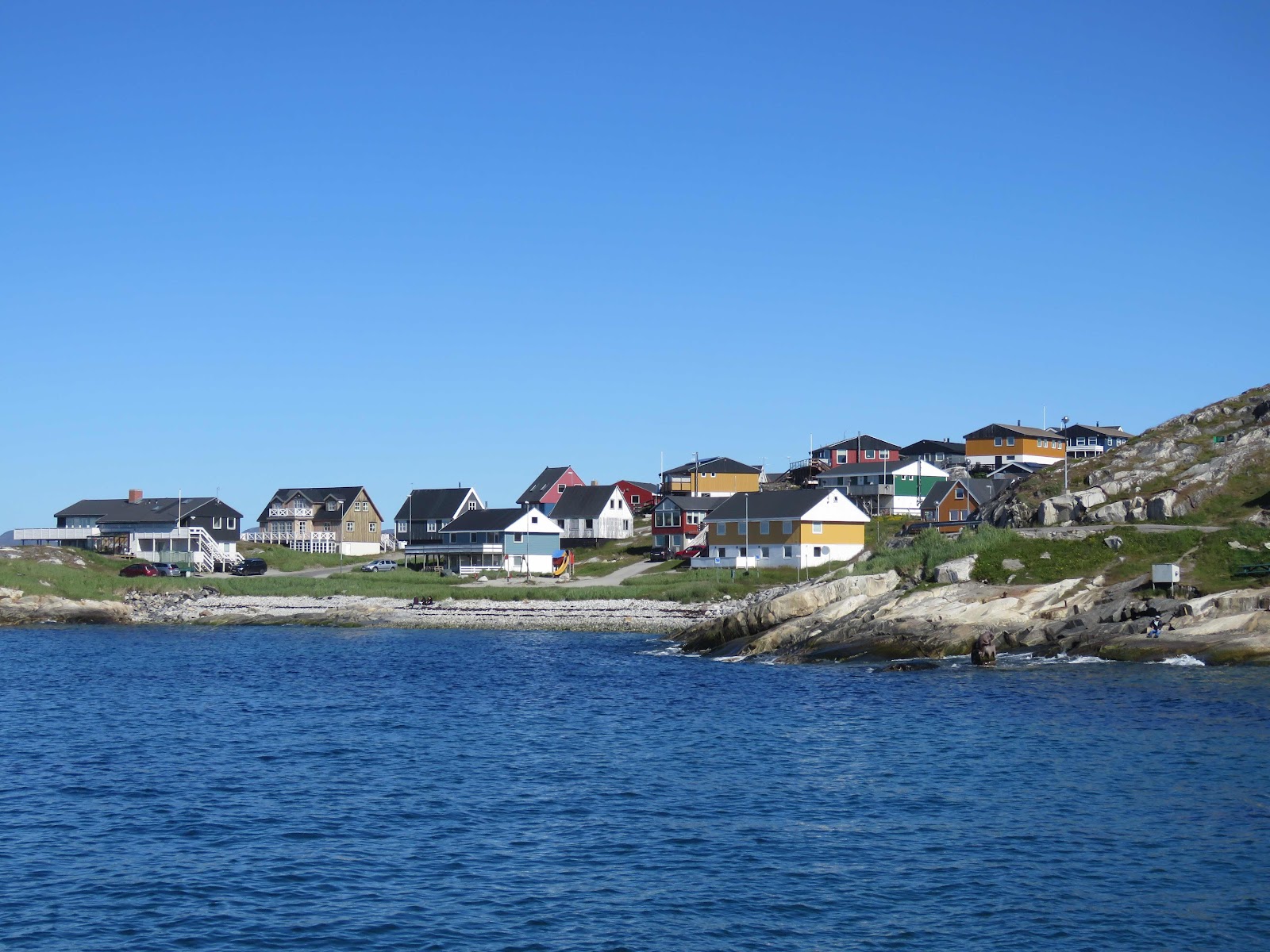
Assortment of colourful single family homes, rare in this city, perched on the point in town


Akpatok Island and Killiniq, Nunavut

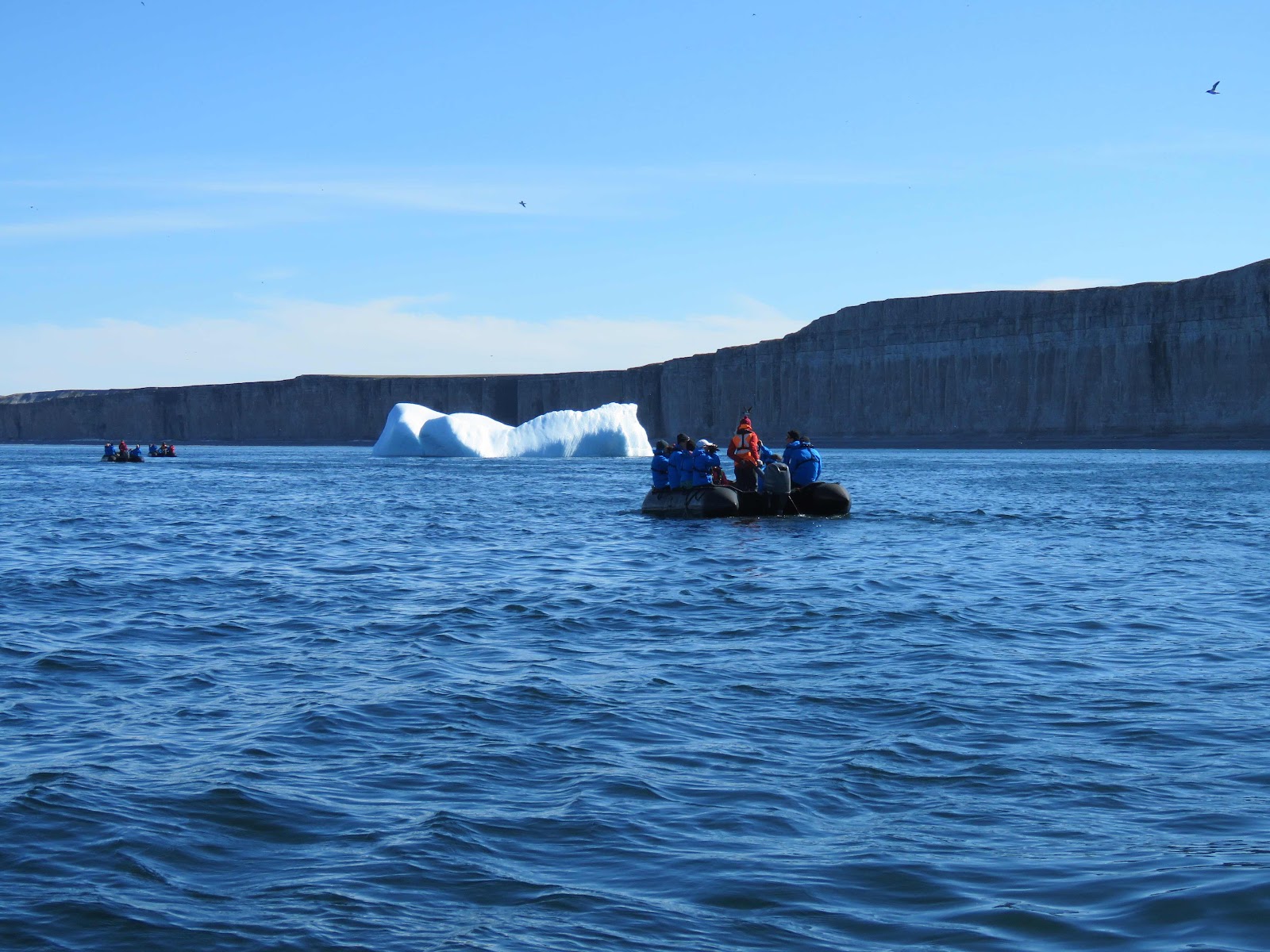
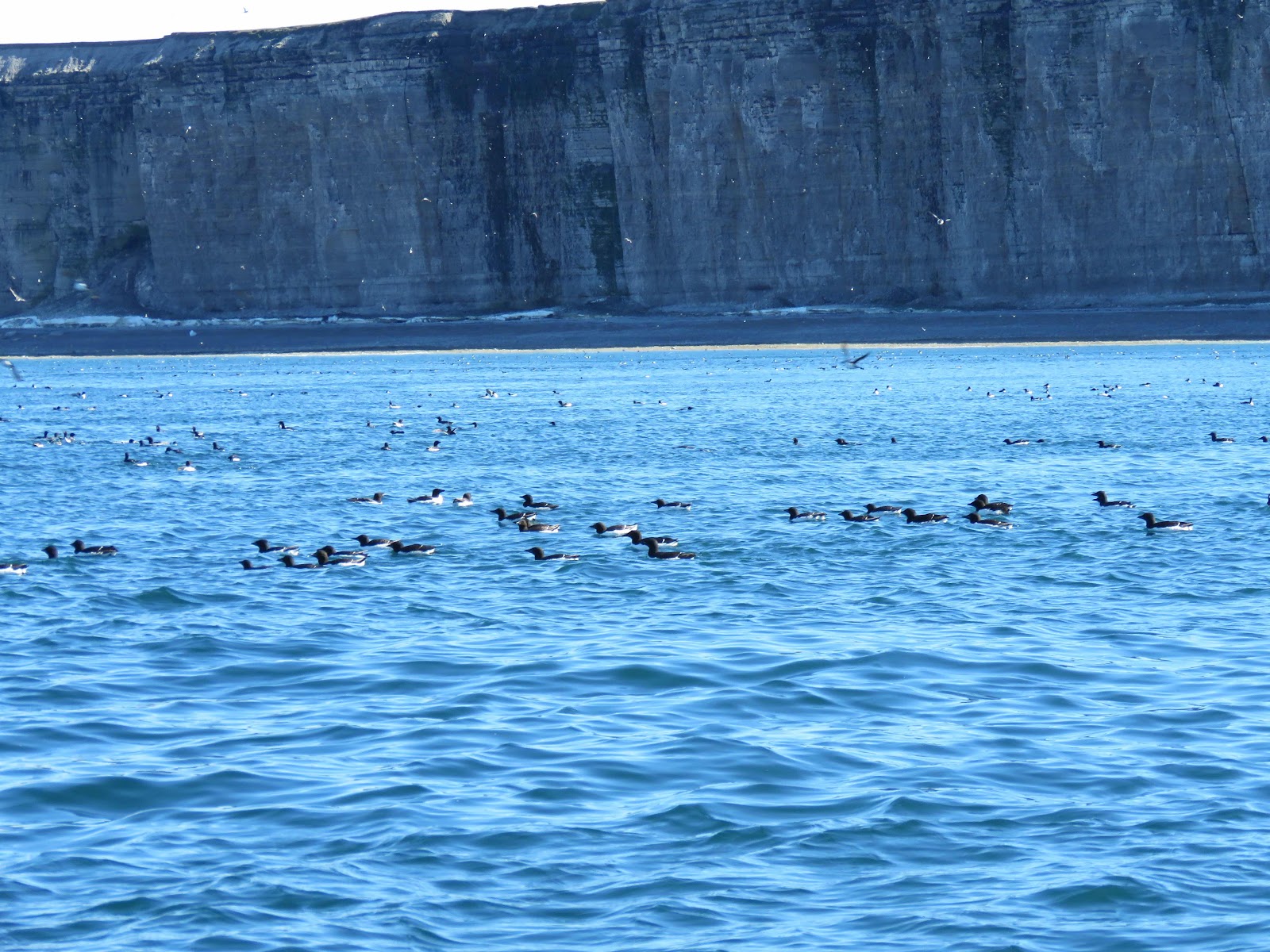
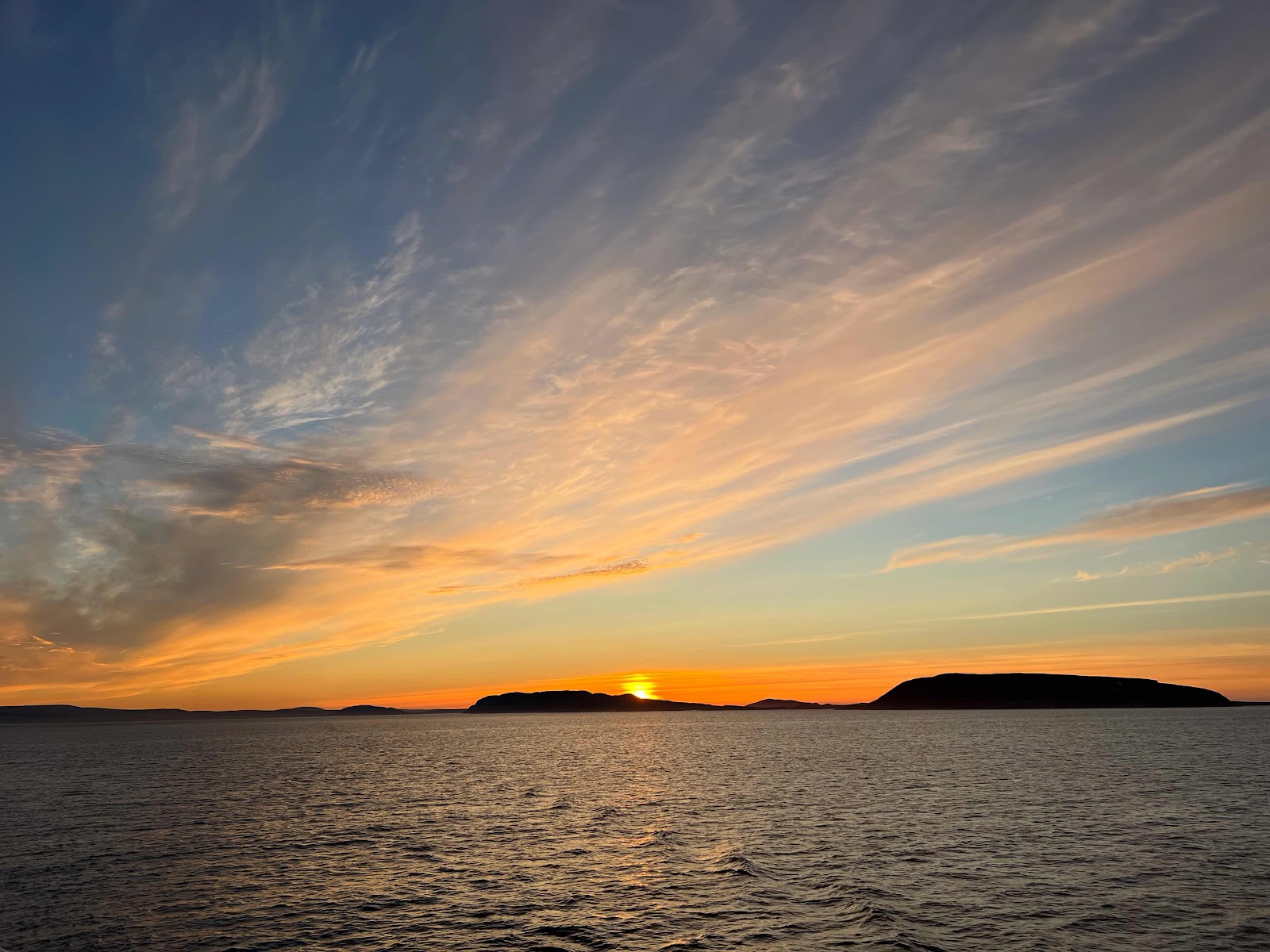
The morning of the 28th we cruised over to Alpatok Island where we spent the afternoon exploring by zodiac.  Alpatok Island is at the north end of Ungava Bay in Hudson Strait and is named for the thousands of akpats or thick billed murres that nest on its vertical cliffs.  When the fledglings are ready to make their death defying leap from their nest to learn to fly there are polar bears waiting on the beach below to catch the unsuccessful ones.  The seas were calm and we saw thousands of birds and a couple of polar bears on shore though they were a long way off.  A ring seal popped up close to our zodiac and gave us a good look as well.  Evening provided another spectacular sunset.
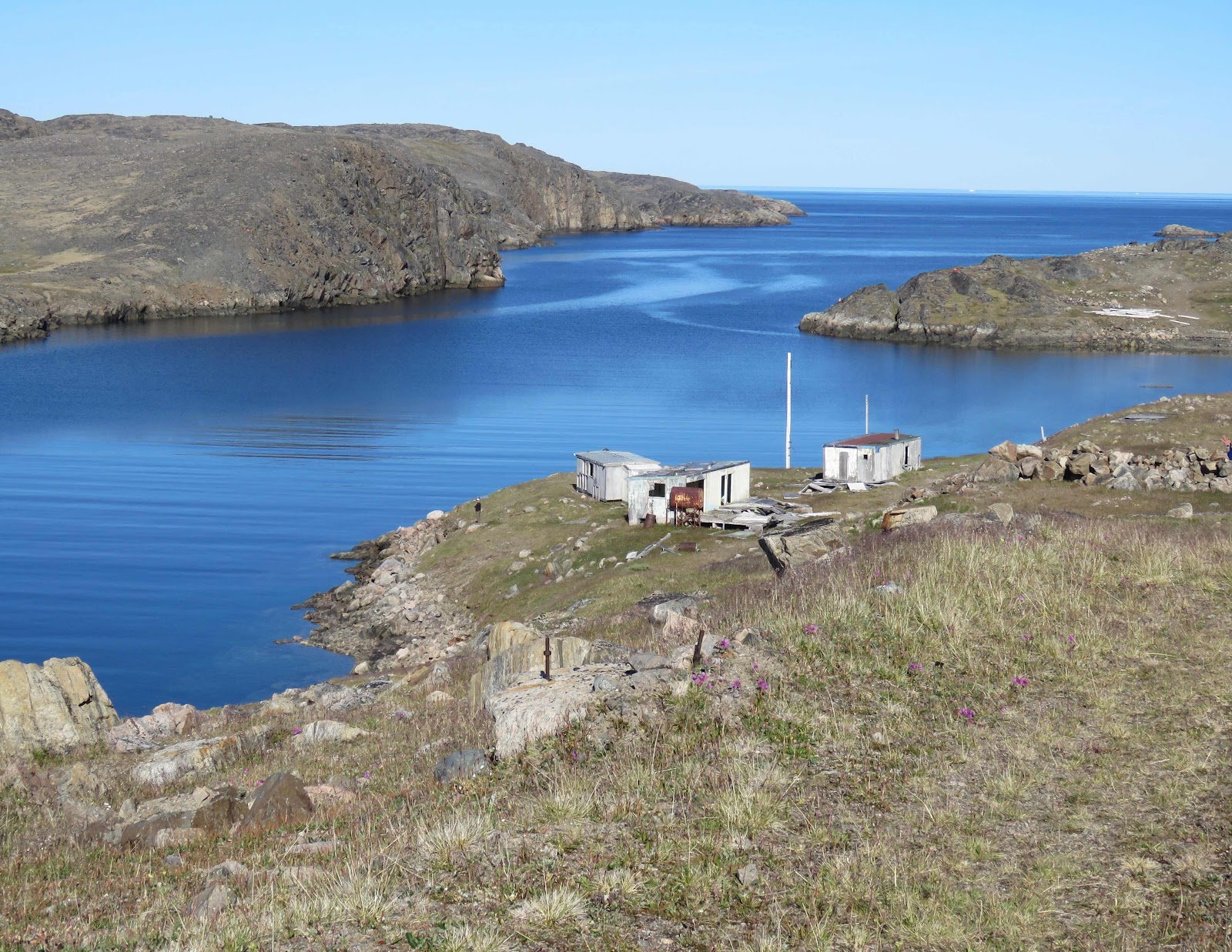
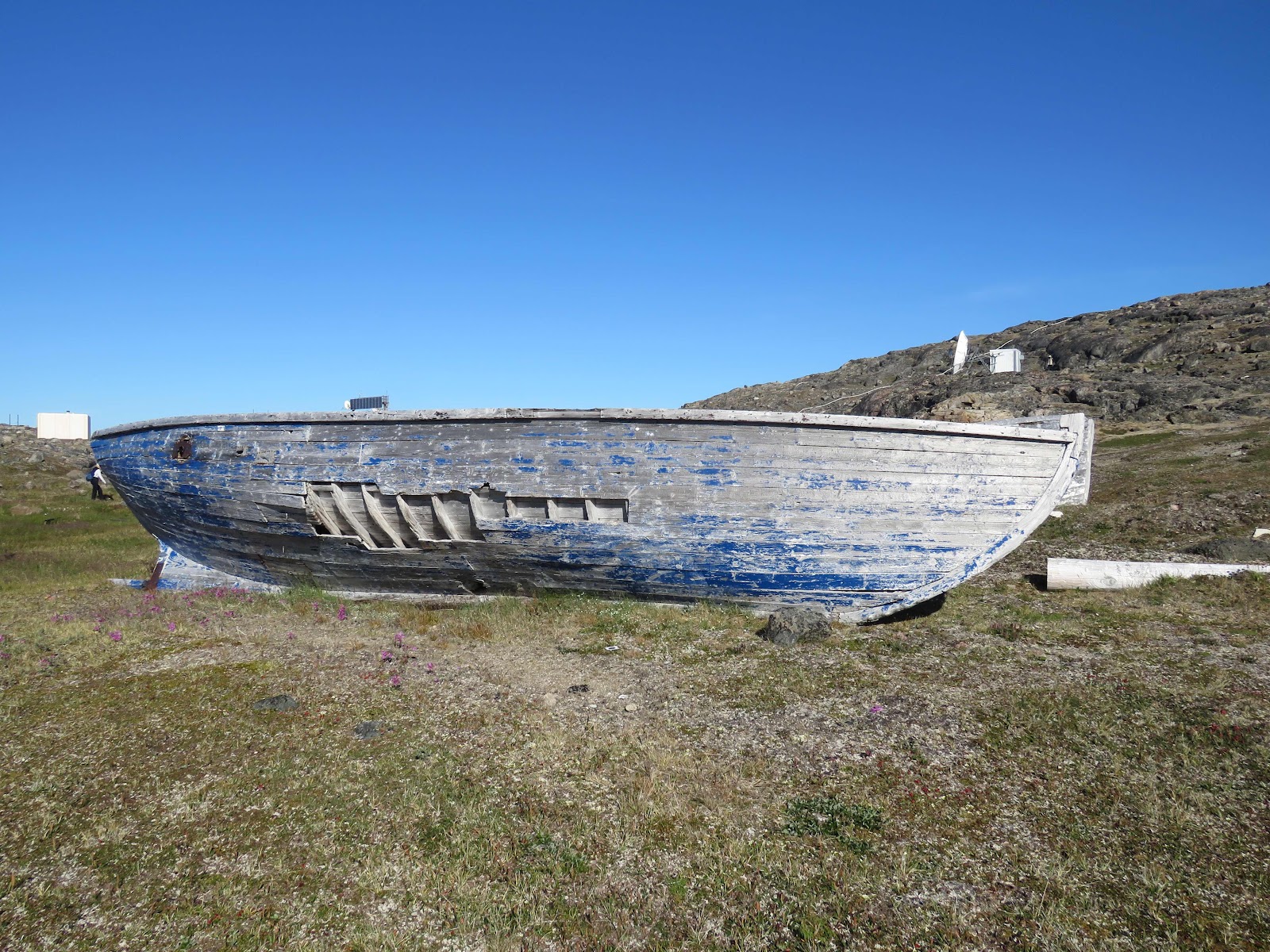
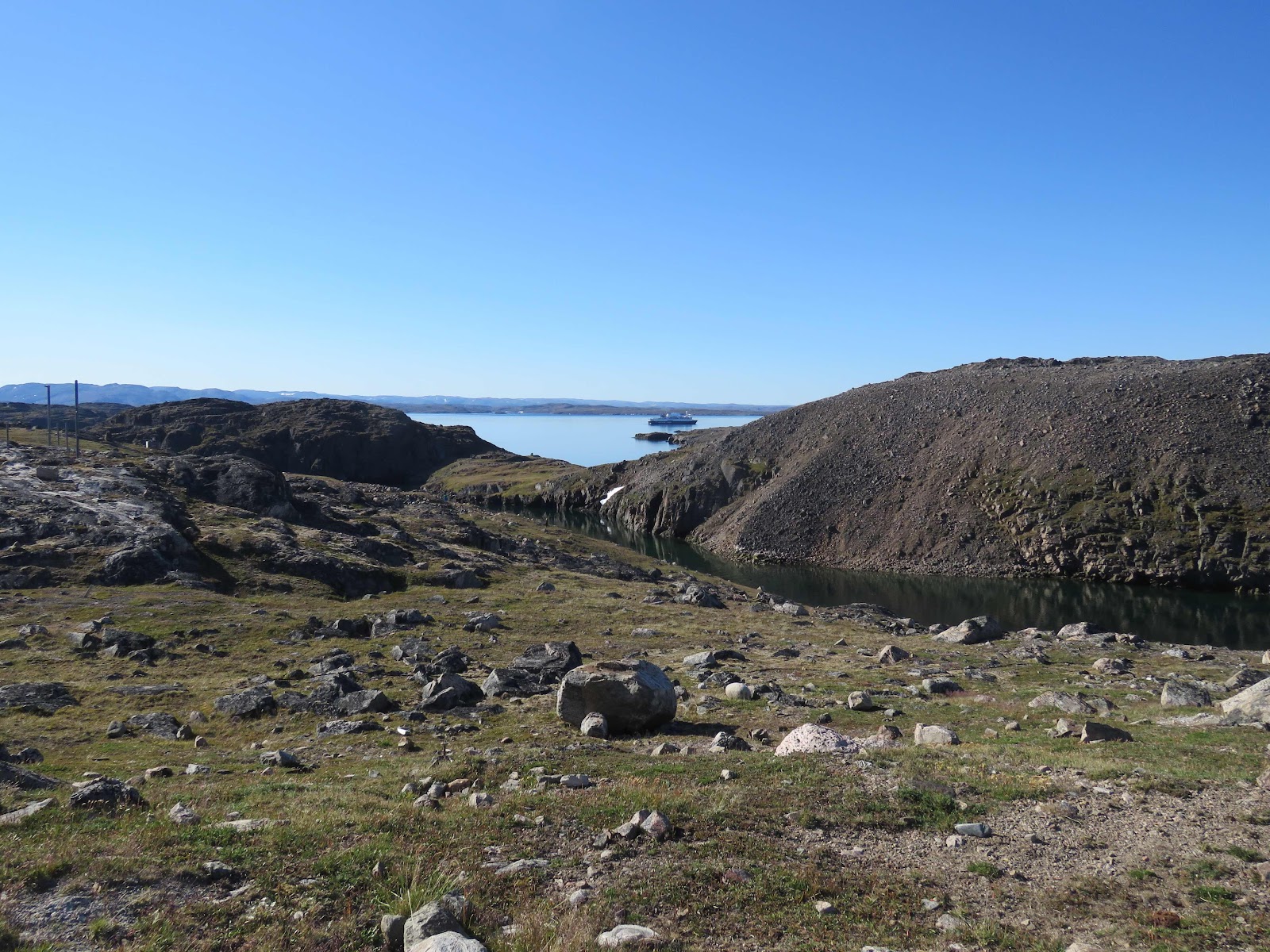
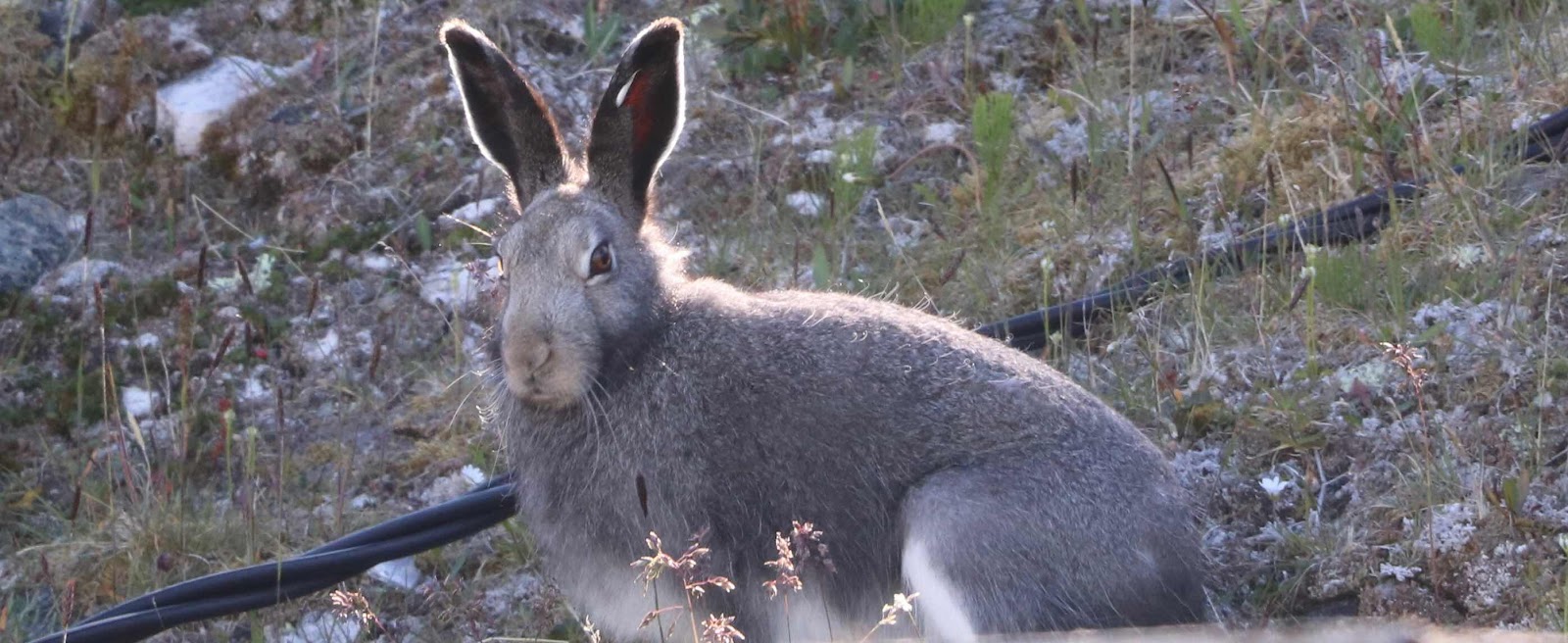
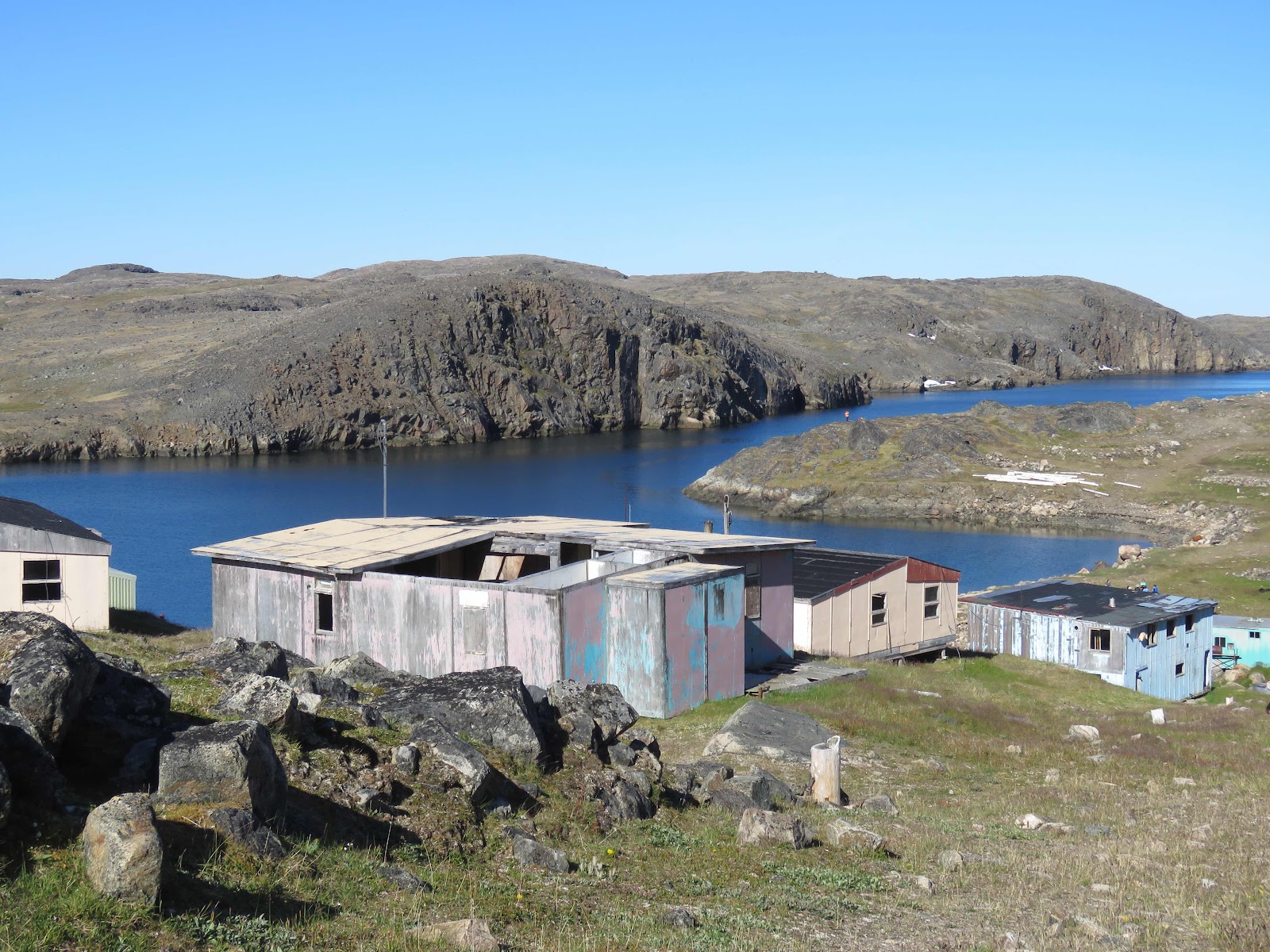
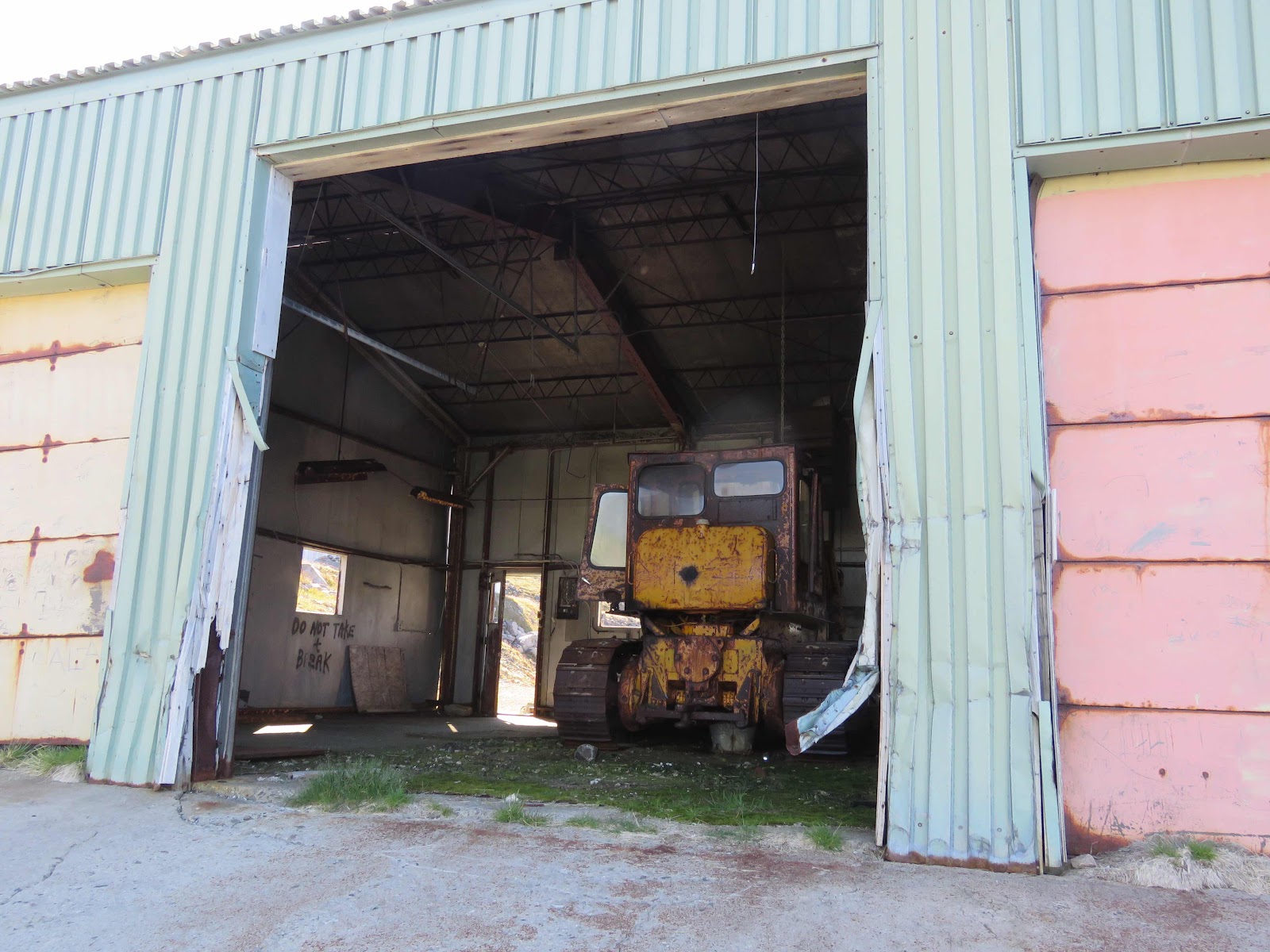
On the 29 th we arose bright and early for an excursion into Killniq .  This is an abandoned Inuit village on Killniq Island which is separated from mainland North America by the McLelan Strait.  Originally started as a meteorological Station in 1885 and then an HBC trading post in 1904 which left in the 1920’s the Inuit village grew around this port.  In 1978 it was decided by the government that this village would no longer receive support and all the residents were re-settled in other host communities of Nunavut.  We came ashore in a picturesque bay where an abandoned freezer house stood like it was still waiting for the residents to bring and store their meat and fish for the year.  The houses still stand ,though in bad state of repair and the workshop still has a tractor in it.  Old boats lie abandoned on the grass, though they definitely would not be sea worthy.  There was a power station and it was interesting to se how all the wires ran along the ground and were held down by rocks placed every couple of feet.  Quite a hilly village and was a bright sunny morning so a very pleasant morning.  Our wildlife sighting consisted of a very large Arctic hare.  Back on the ship we set sail on our longest crossing, that of Davis Strait as we head towards Greenland.


Approaching the bird sanctuary and on the outlook for polar bears.  We did see some but one needed binoculars to get a good view.

Cruising towards the island.  Thousands of birds surrounded us and a ring seal popped up beside us.

The murins resembled small penguins 

Every night presented us with magnificent sunsets

Approaching the deserted village of Killiniq

The village definitely had a picturesque setting though it was set far from any other civilization 

Remains of boats strewn on the land were telltale of how the inhabitants used the ocean for their source of food

Ocean Endeavour sits in the distance waiting for our return

We were visited by a large Arctic hare

Waterfront properties sit slowly falling apart

Equipment was just left and sits rusting where it was last used

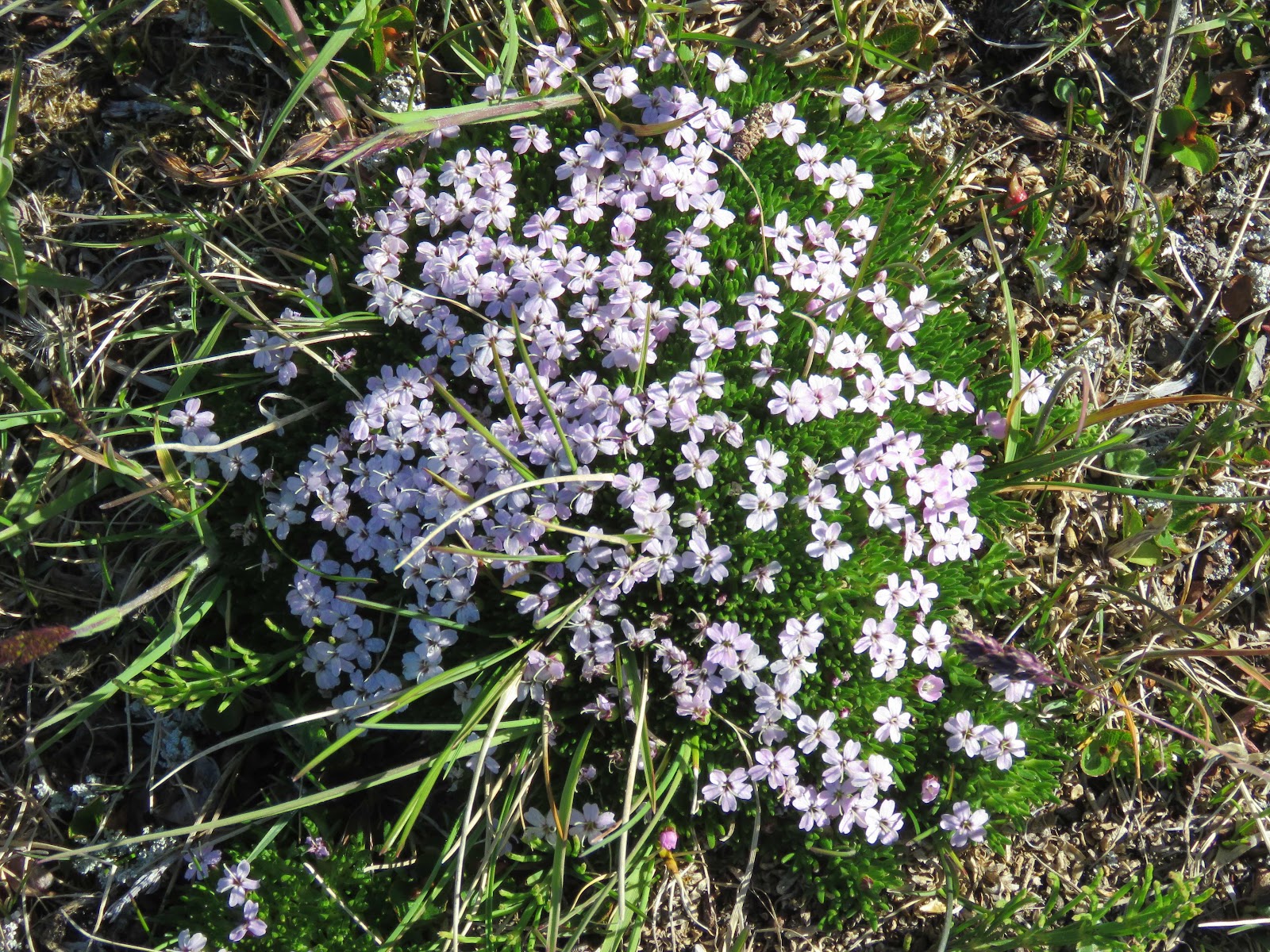
Beautiful Arctic flowers grow amongst the decaying homes


Douglas Harbour, Quebec

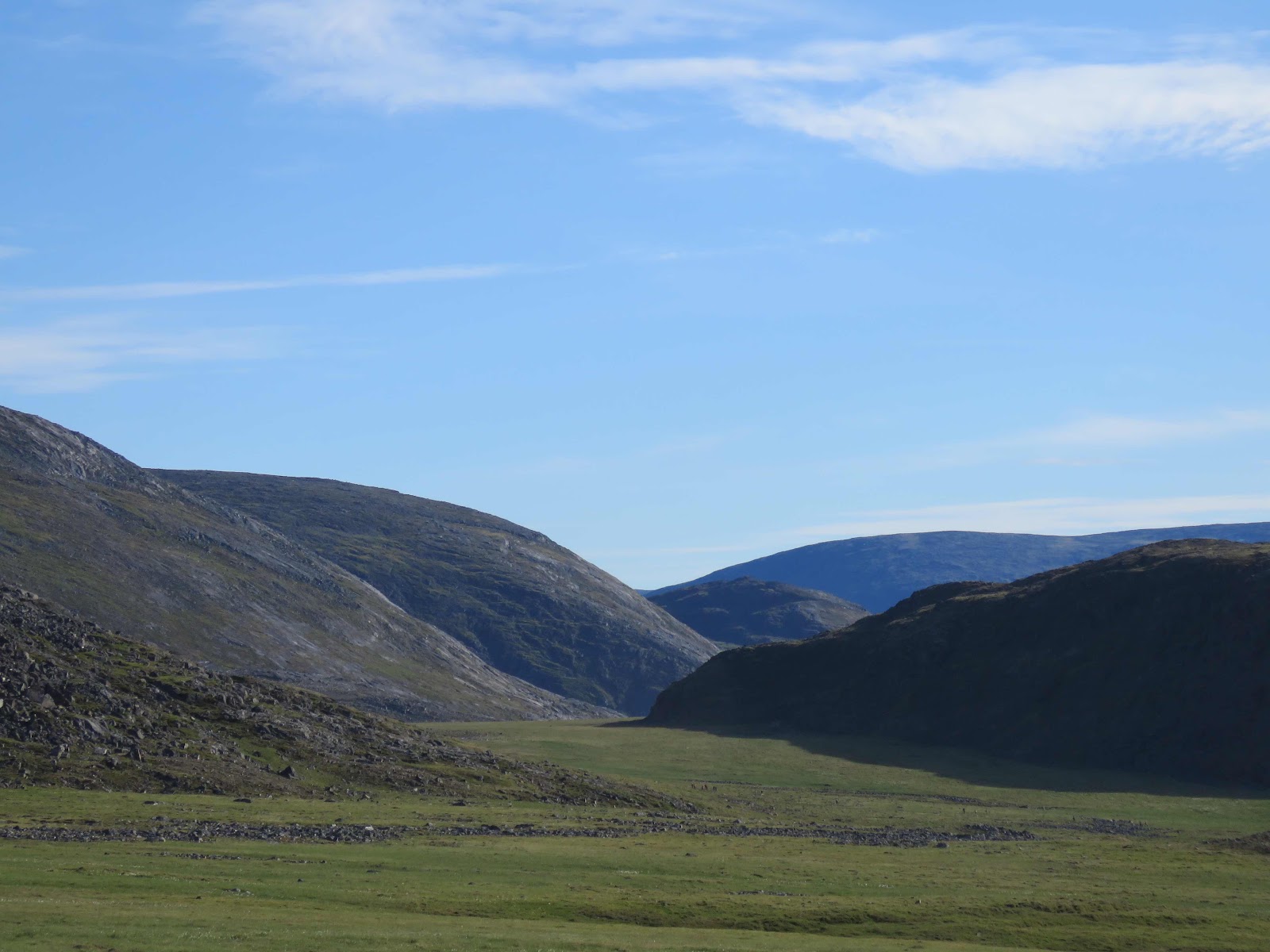
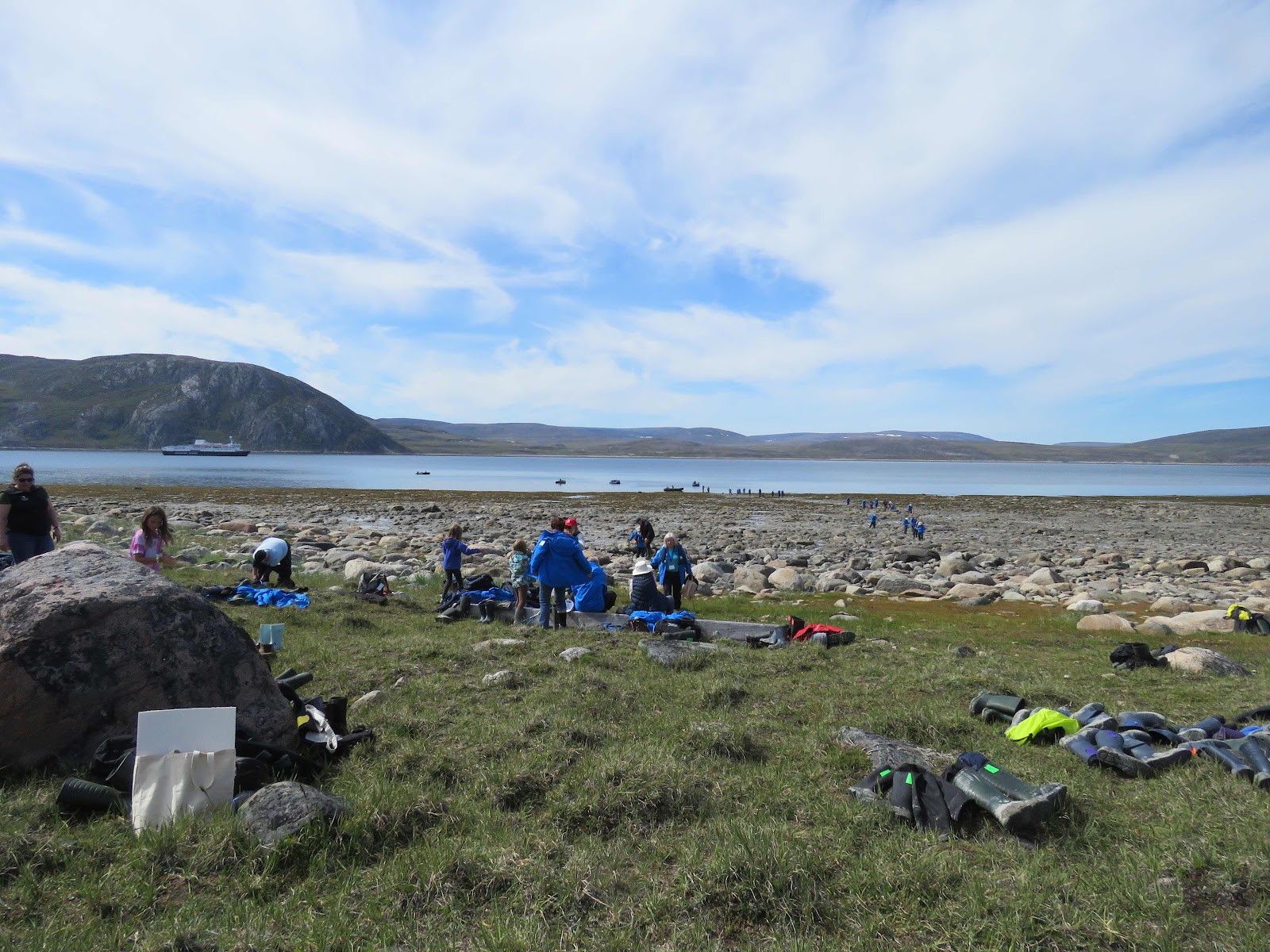
Wednesday July 27th we arrived in Douglas Harbour,Northern Quebec under beautiful sunny skies and calm seas. The temperature was an unusually high 20 degrees. It hardly feels like we are in the Arctic.  After a very wet landing and a slog through a large expanse of rocky mud we were able to shed our rubber boots and prepare for our hike..  Our 8 kilometre hike took us over ancient glacier fields, over peat fields, over a hill to a beautiful lake in search of caribou and climbs up rock faces. It was certainly more than the moderate 4 kilometre hike that had been advertised but the scenery was breathtaking and it was a great way to spend the afternoon. The whole hike was lead by Laura carrying a gun and serving as our bear monitor.
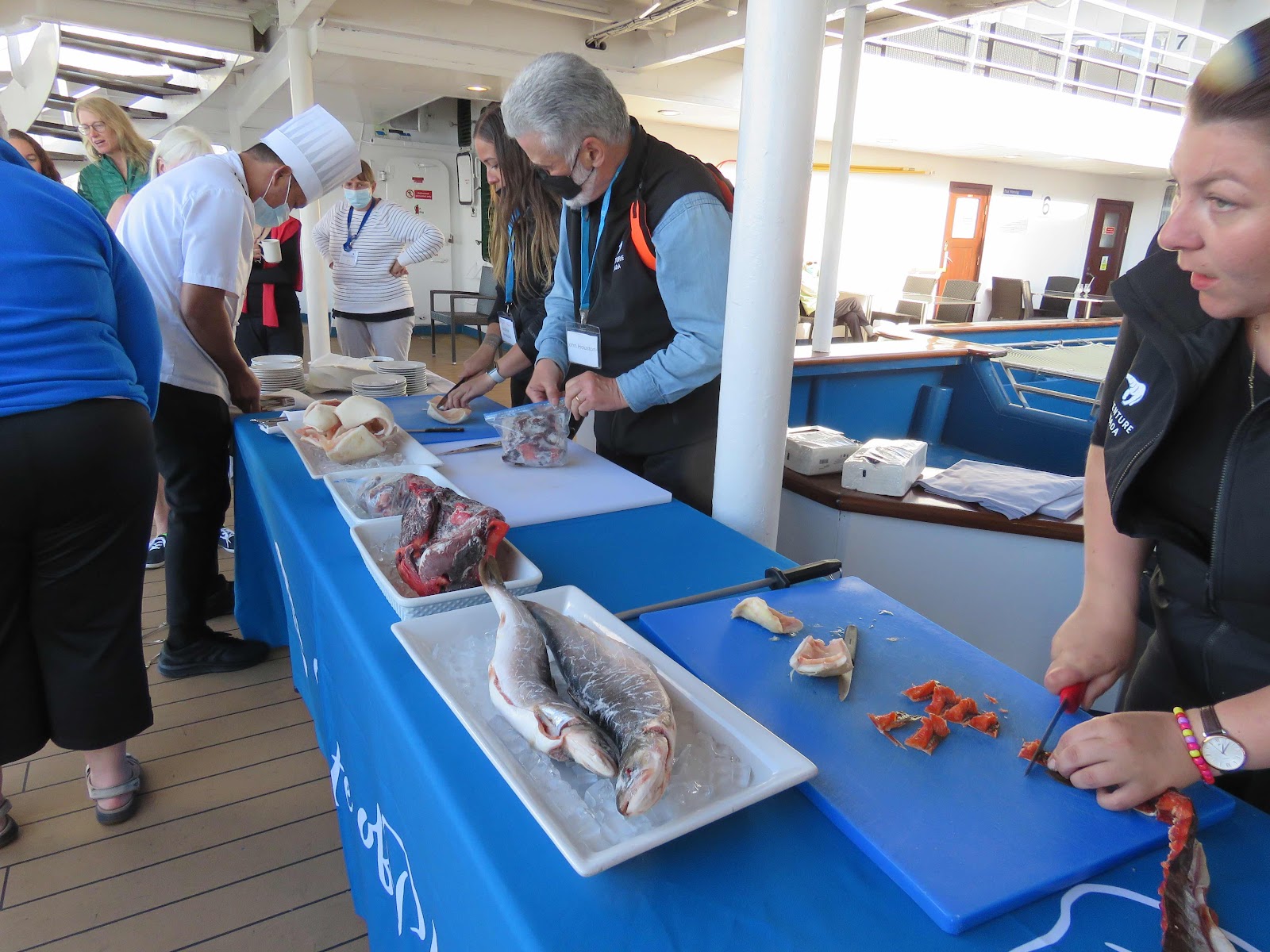
Back on ship we sailed down to the end of this long harbour which was stunning.  Along the way we were treated to a show by a couple of beluga whales.  Out on the back deck while we enjoyed a cocktail we were served some traditional Inuit food including raw beluga, Arctic char ,ring seal and caribou. All was delicious except the seal liver which I could have done a pass on.  Life is good.

The tide was a long way out so it was quite a hike just to get to the start of our hike through rocks and beach clay.

Whenever we were on land there were always bear monitors on alert around the perimeters

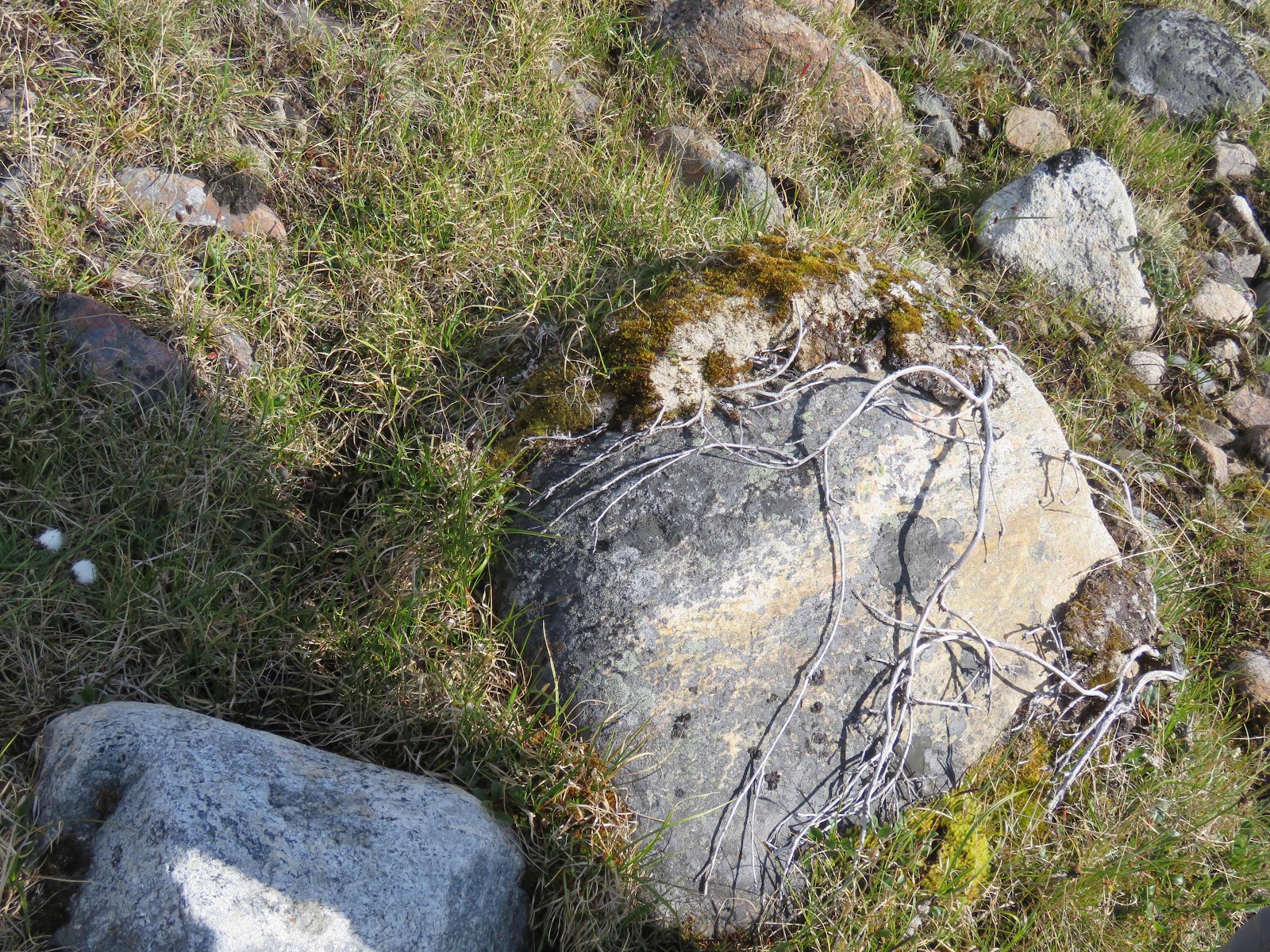
The branch on this rock is actually an Arctic willow tree. Any trees that there are in the Arctic grow horizontally in the tundra.

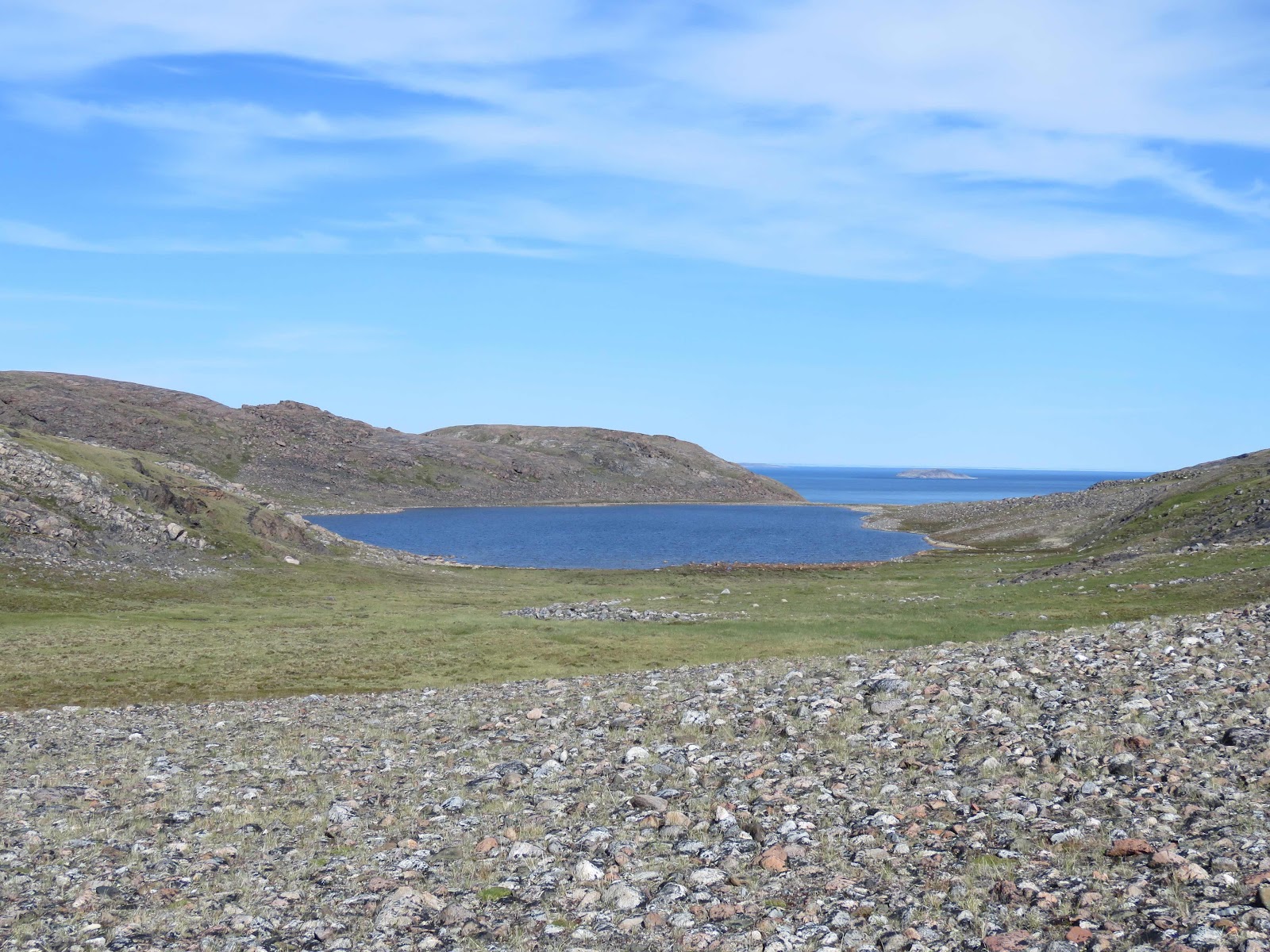
Climbing to the top of a hill we came upon this fresh water lake with the ocean in the distance. We hiked out to the ocean and then up a rock face so we could get some panoramic views 

Beautiful views from the top of a long climb

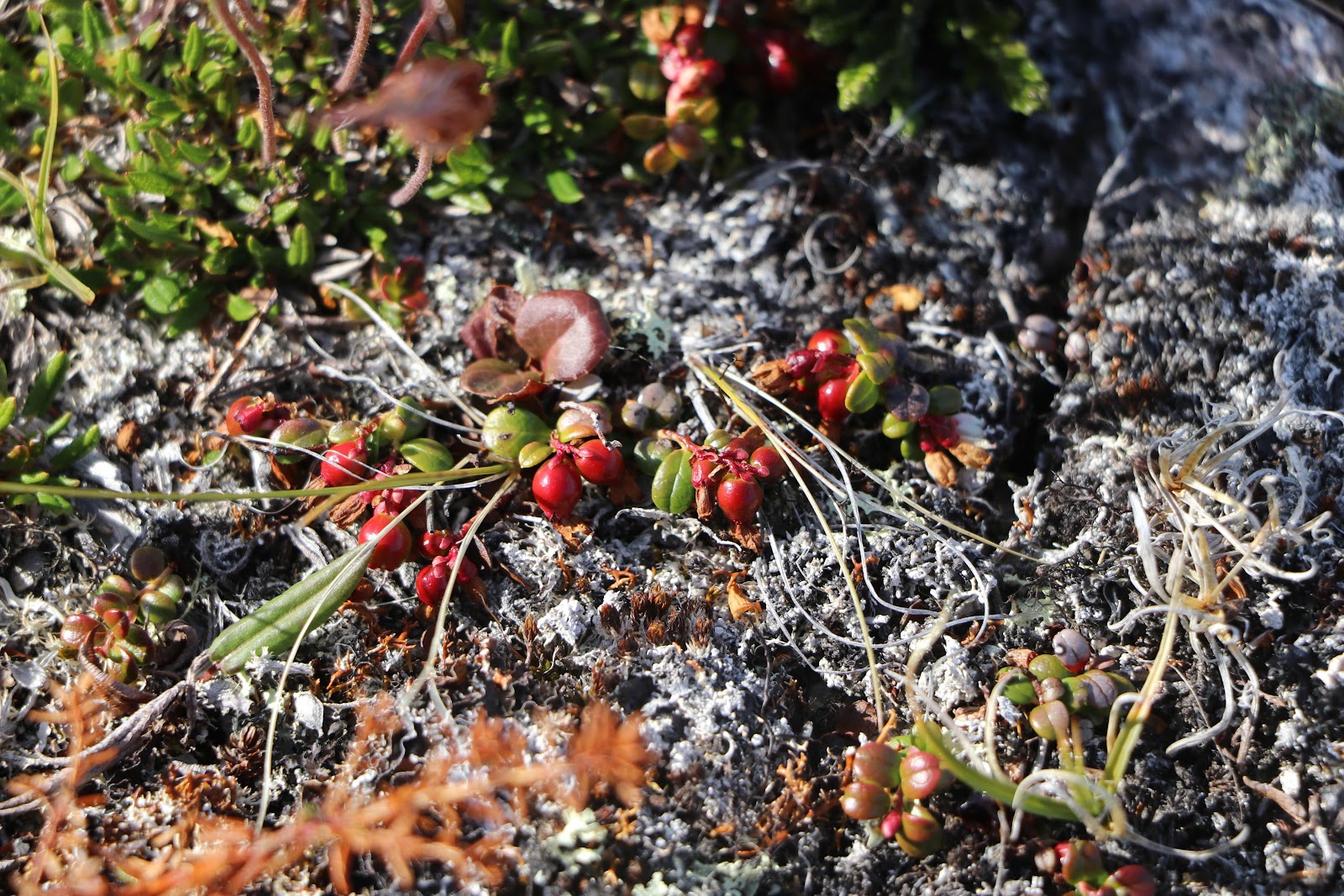
Crow berries growing wild all over the tundra. Not yet ripe but apparently quite delicious. Would take a lot of picking to make a pie!

The tundra just seemed to draw you around the corner as we made our way down

Cruising down Douglas Harbour was very picturesque 

The assortment of Inuit food was interesting and some of it delicious.

Sunsets at the end of each day never disappointed and always got out the cameras

Cloud formations added to the beauty of the sunsets