Monday, 13 March 2023

Eating in Marbella

The food and wine in Marbella was incredible.  Restaurants of every description lined the Paseo and many beach bars opened for the season while we were there.  The old town had several restaurants which served delicious food of a very high quality.  In Spain the locals traditionally eat their large meal at lunchtime between 1 and 4 and then have a smaller meal later in the evening after 7PM.  We did not get into this habit and we would enjoy a smaller meal for lunch which would often consist of the delicious tapas Spain is so well known for.  Sometimes we would sit on our deck with some local cheese, meat and foie gras and of course wine and enjoy the view while we had our own private lunch.  Dinner however was always out and did not disappoint.  The plating of food was always well done and the flavours a treat.  A couple of restaurants became favourites and drew us back a few times.  Was lovely to sit outside, sometimes beside a heater, and watch the activity while enjoying a fine meal.  Only Casa Eladio which is a Michelin restaurant was a totally indoor dining experience.
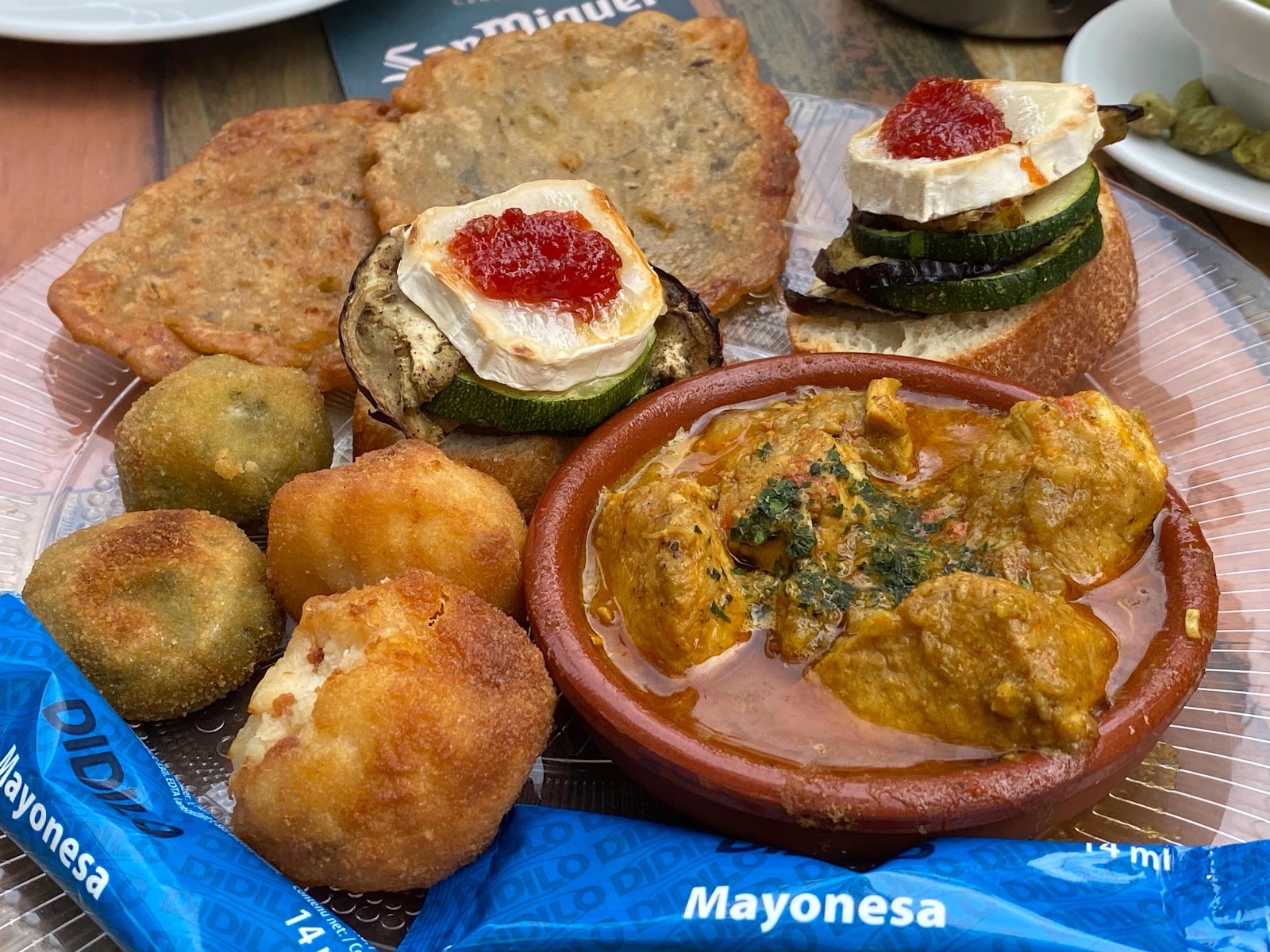

An example of a lunchtime tapa plate

Boquerones which are fried whole anchovies became a favourite tapa of ours
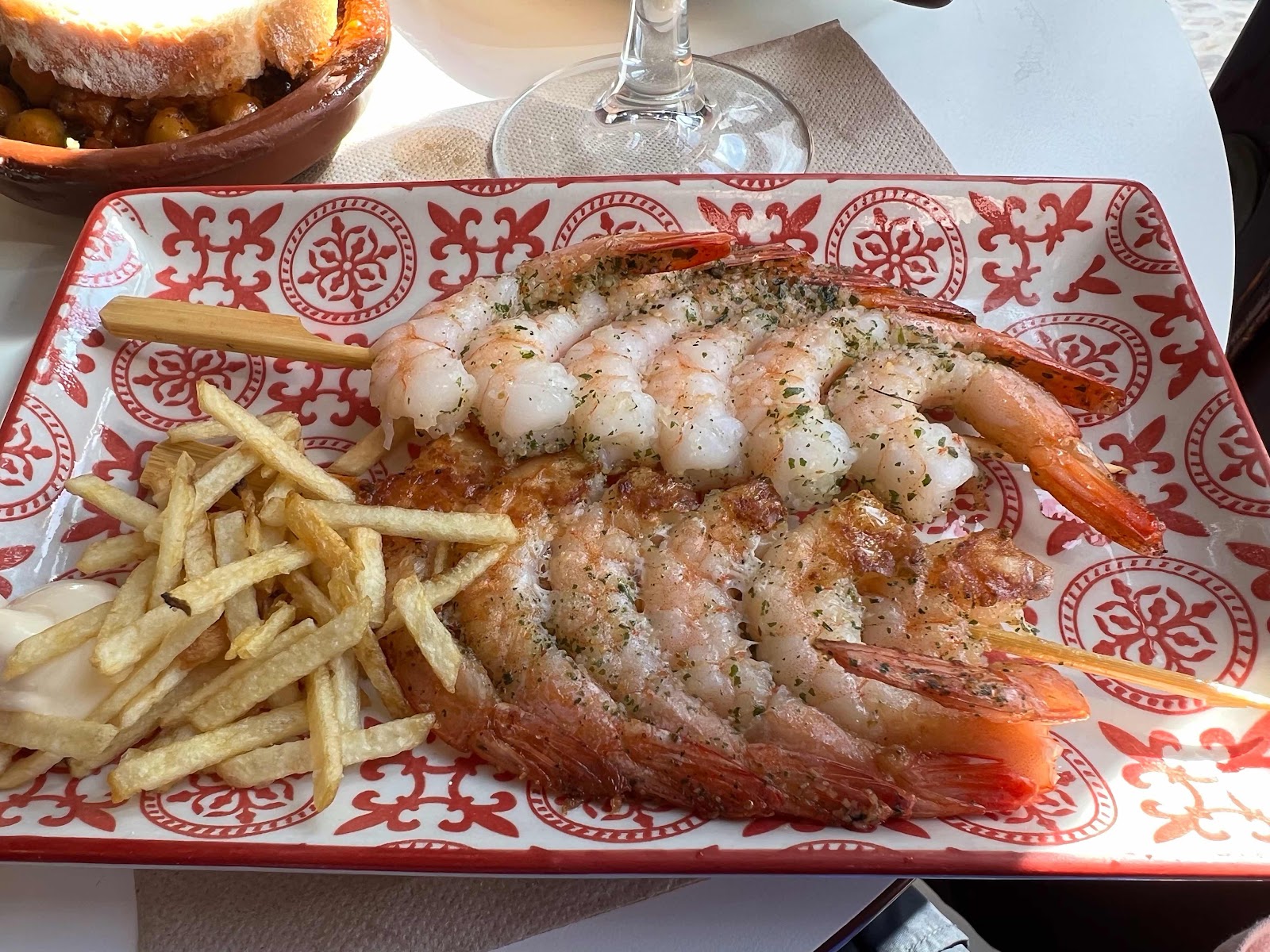
Grilled prawns in garlic spelt as good as they tasted
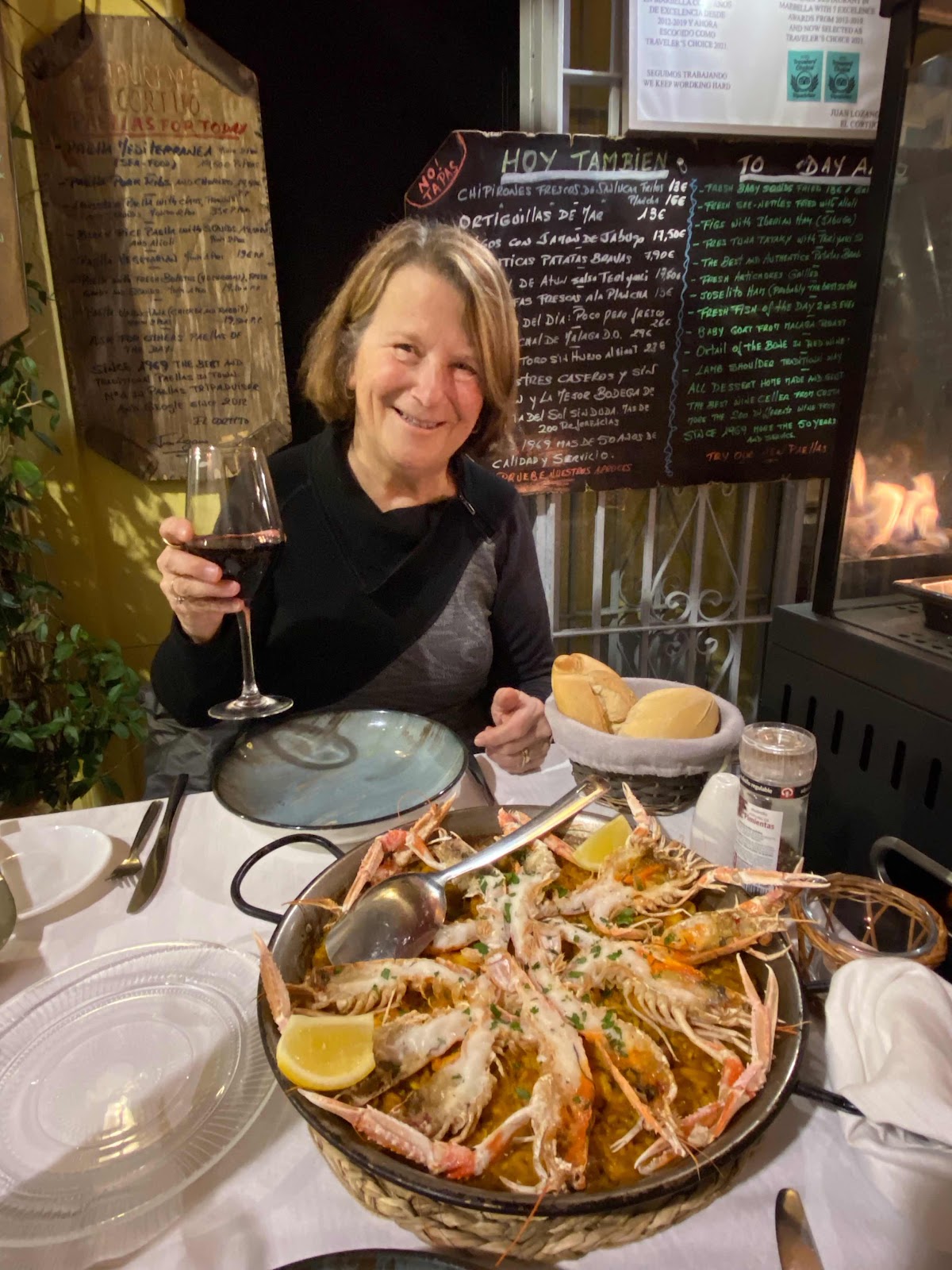
A beautiful seafood paella 

Presentation of wonderful fried squid
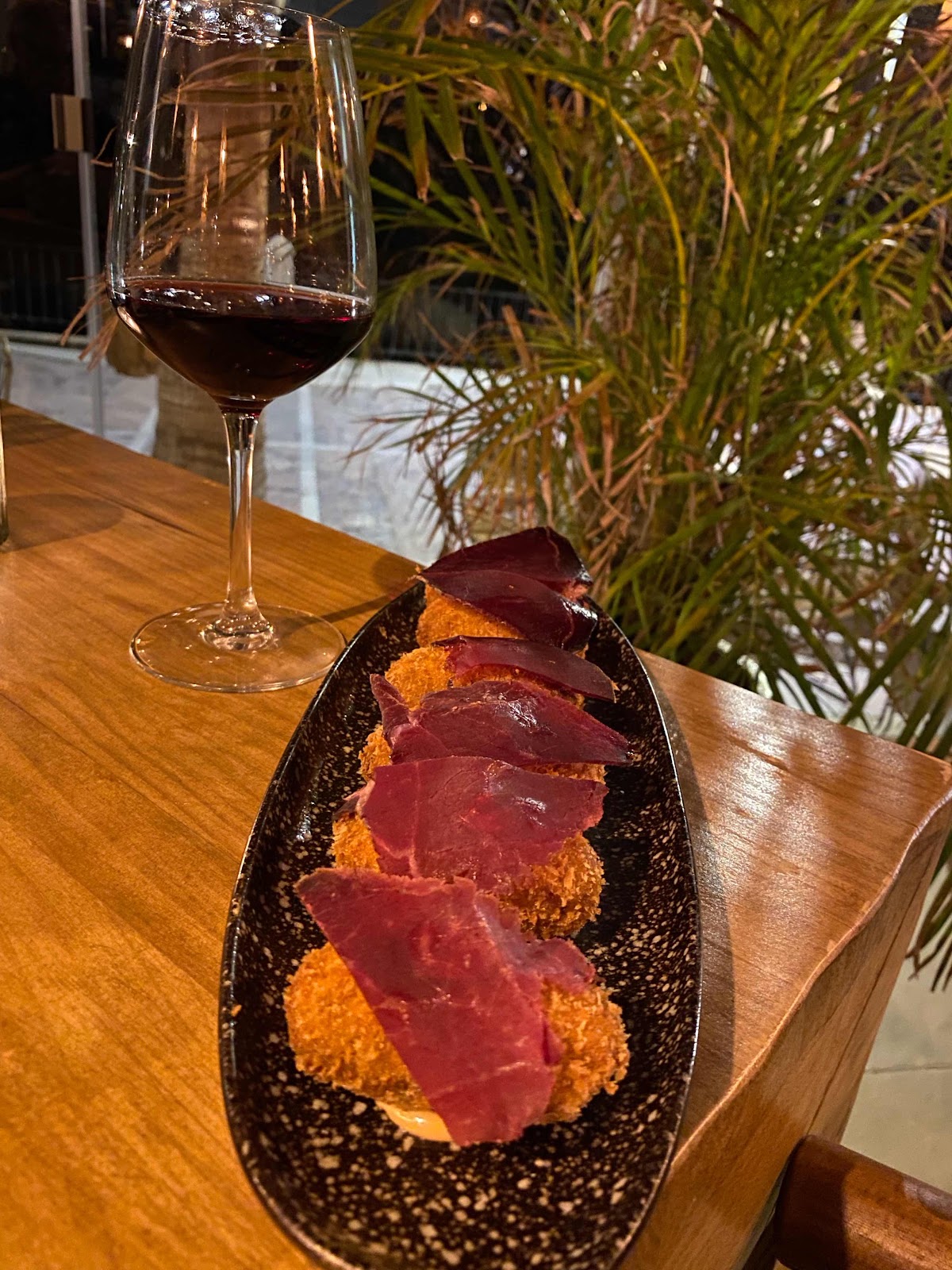
The smoked meat croquettes were flamed at our table. Incredible 
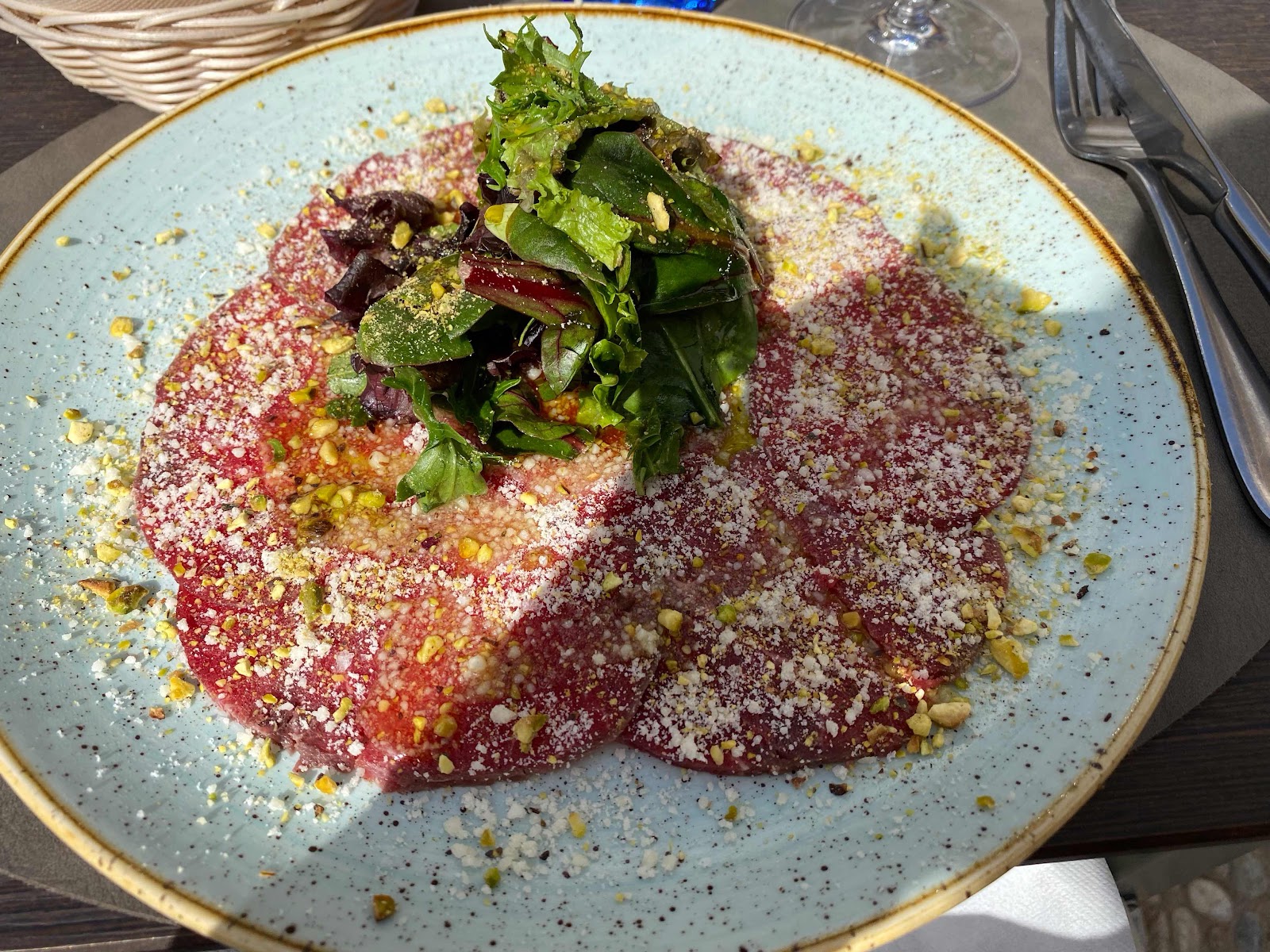
This beef carpaccio at Brasso’s was the best I have ever had and I had to go back several times just for this
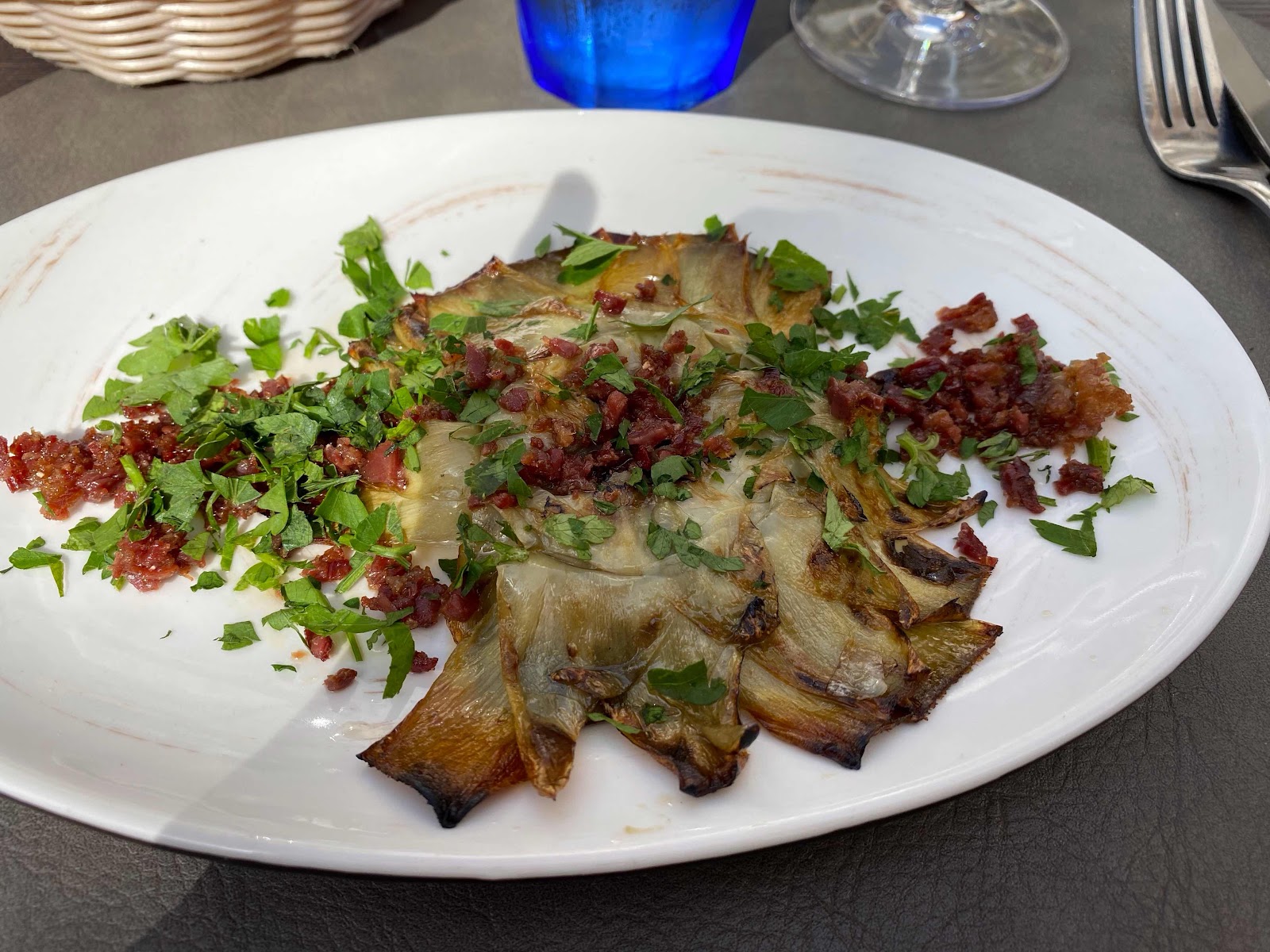
Grilled artichoke with Iberian ham. Also had them with black salt which were delicious 
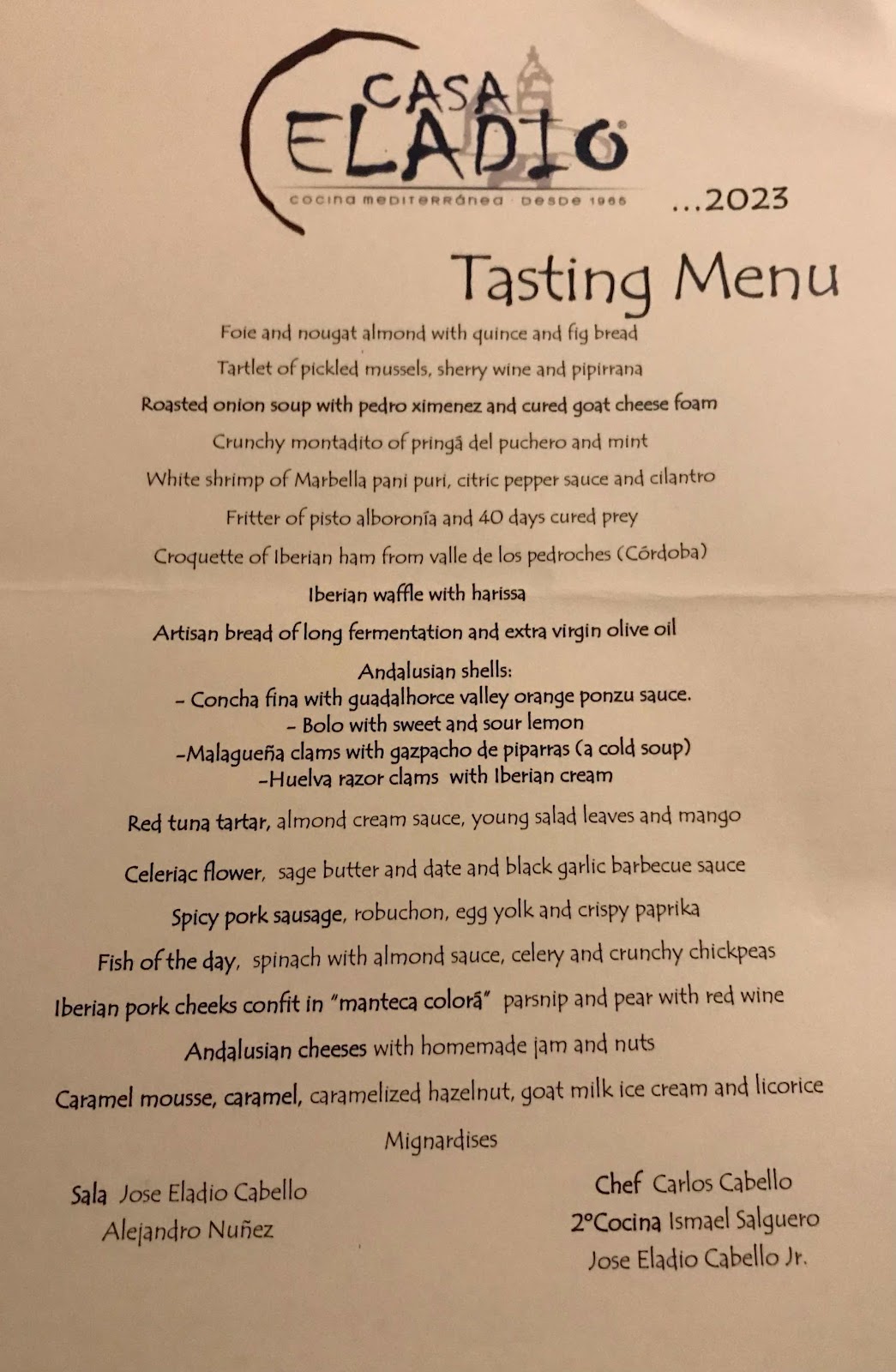
An exemptional dinner at a wonderful restaurant 
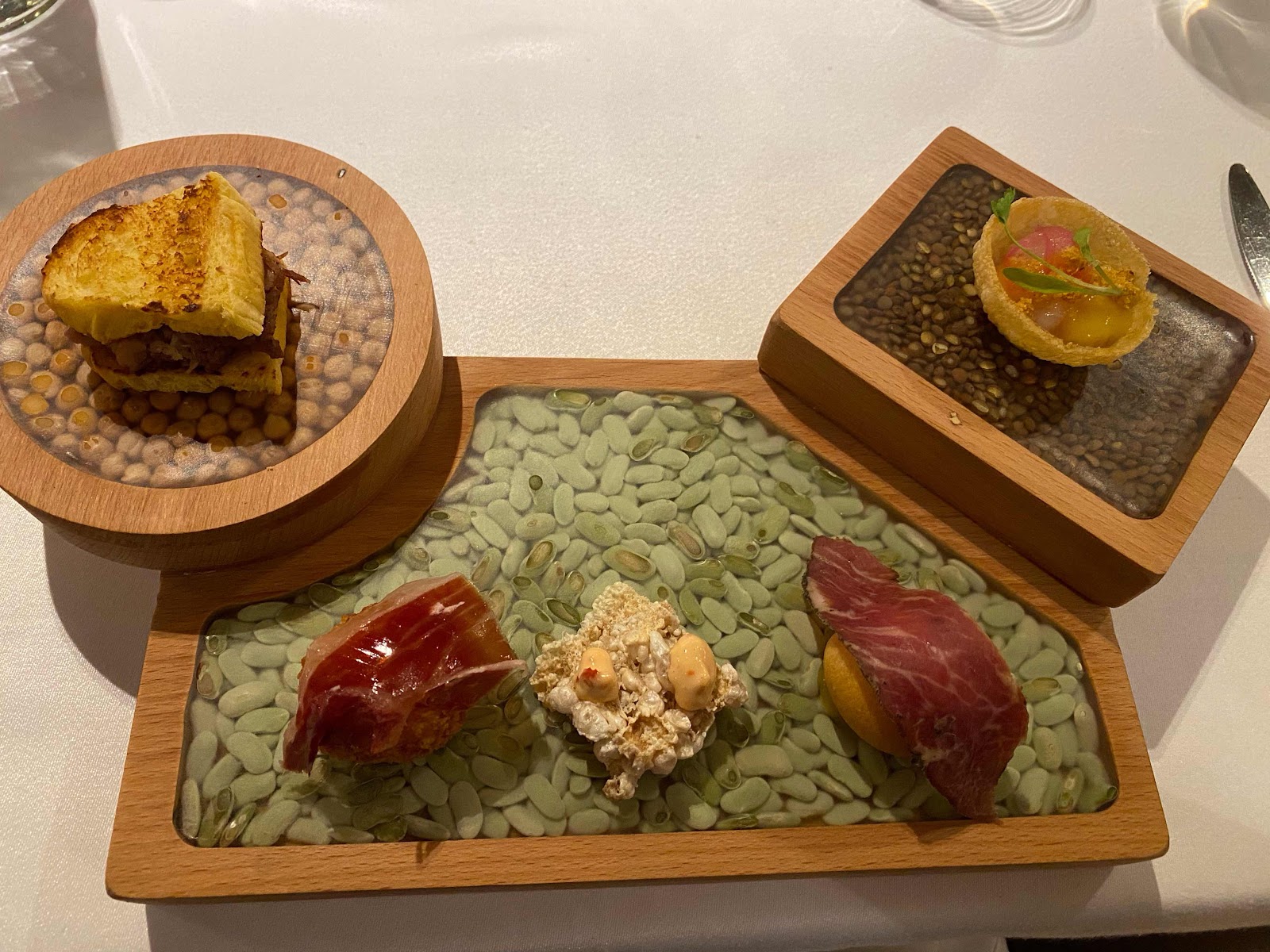
Attractively plated appys
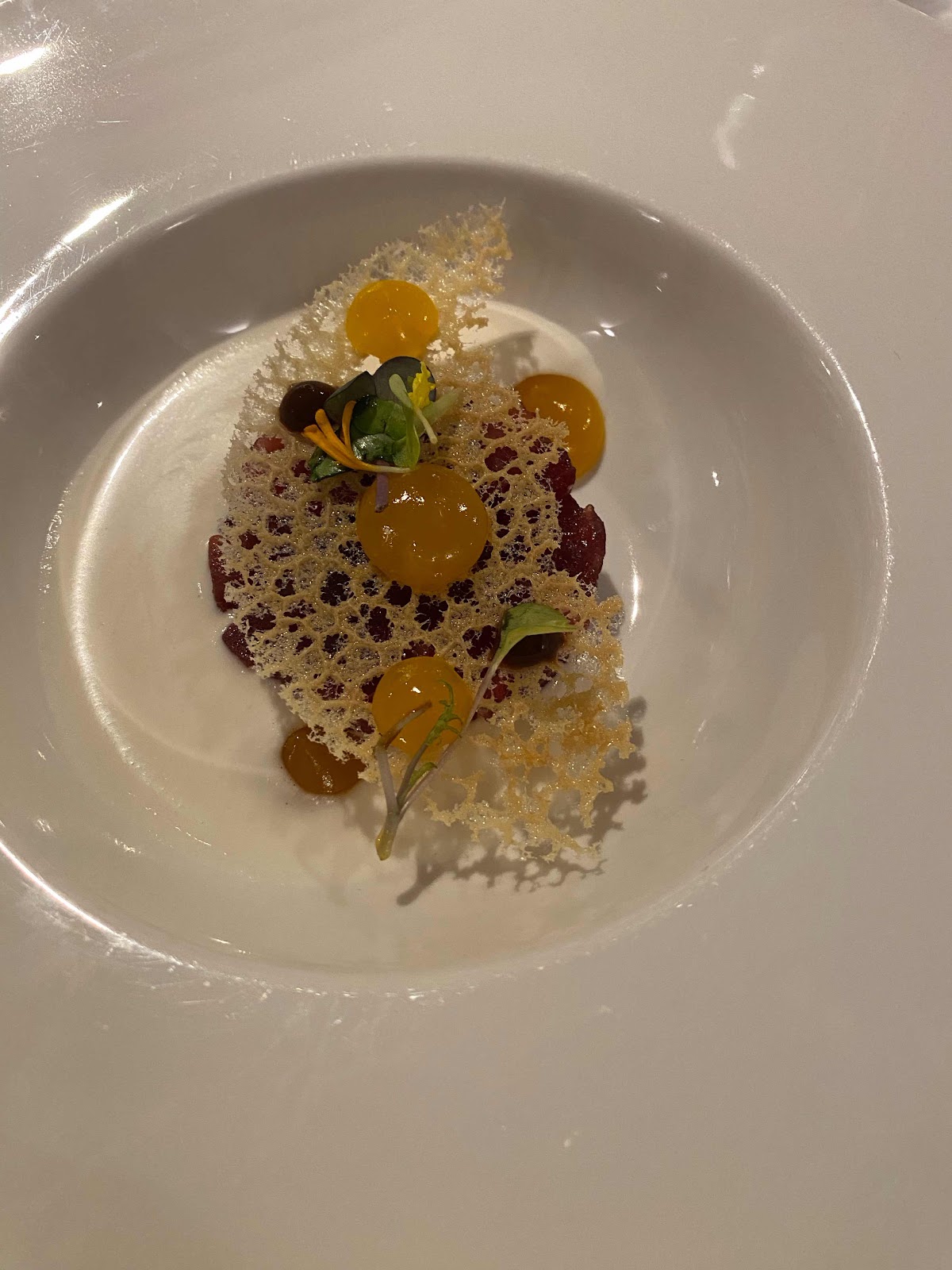
Just love beautiful food!
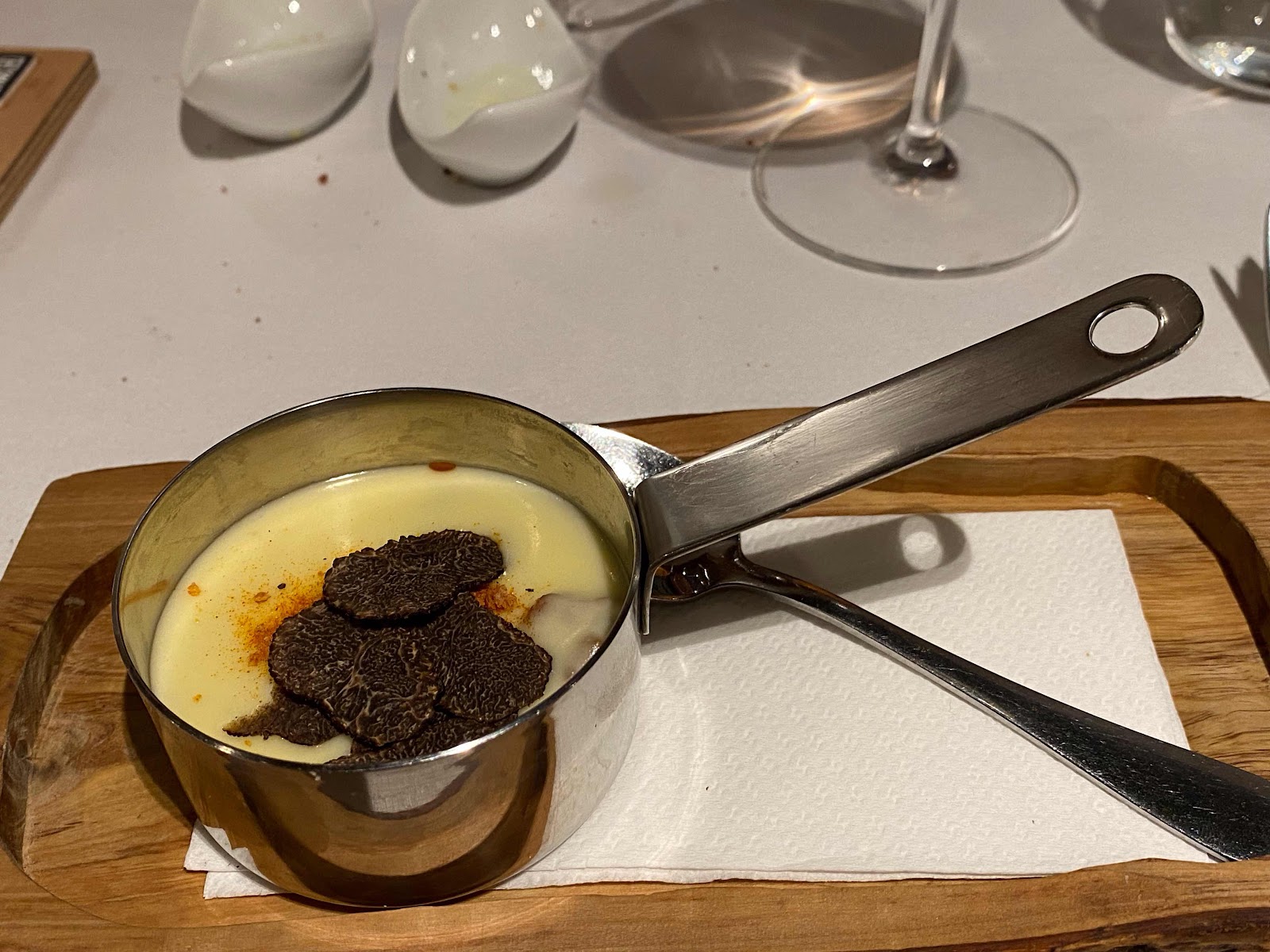
Fresh black truffles on spicy pork. Yum!
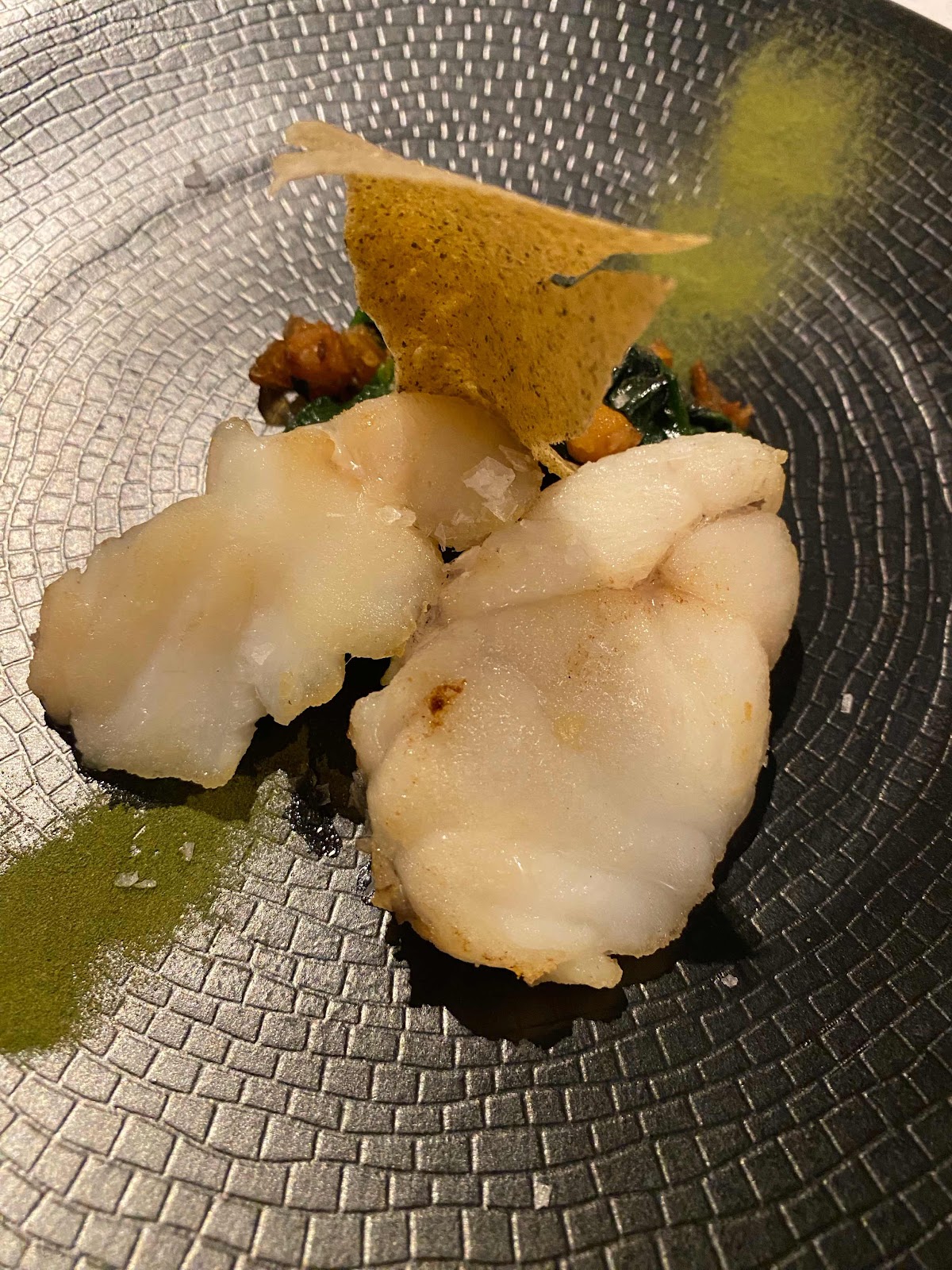
Wonderful fish presentation 
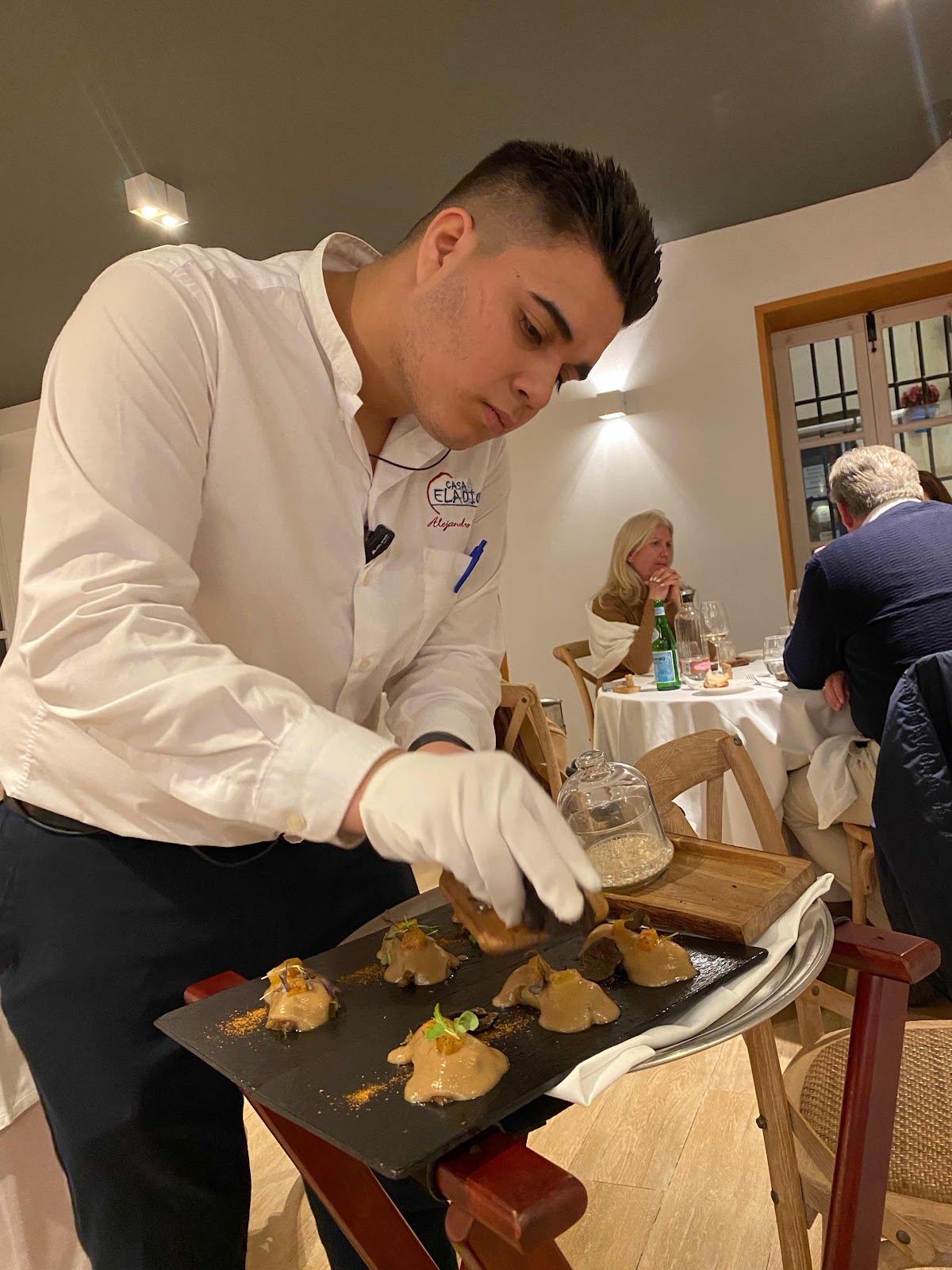
Black truffles freshly grated at the table. What a treat!

A toast to yet another great meal




Monday, 6 March 2023

Malaga

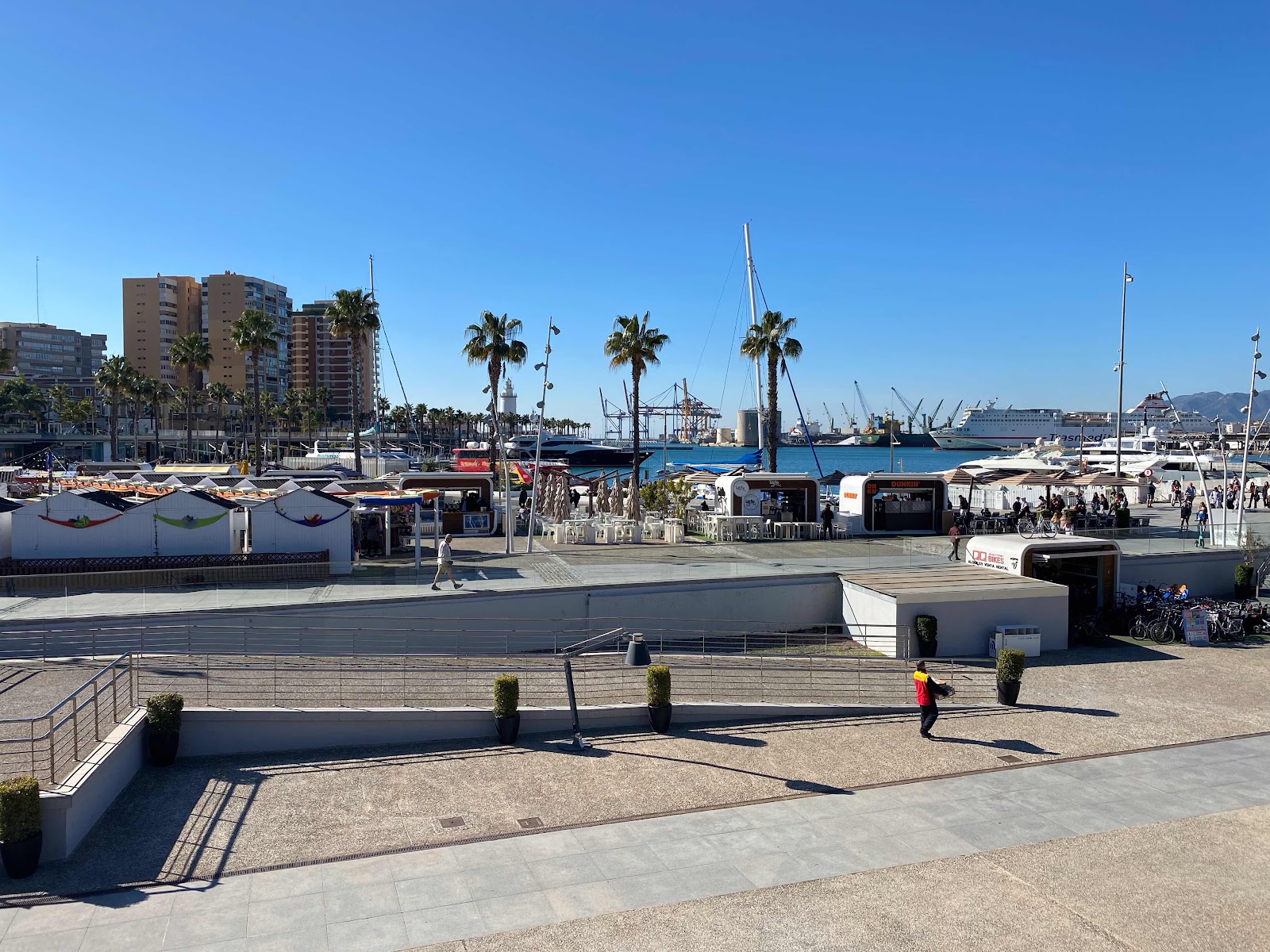
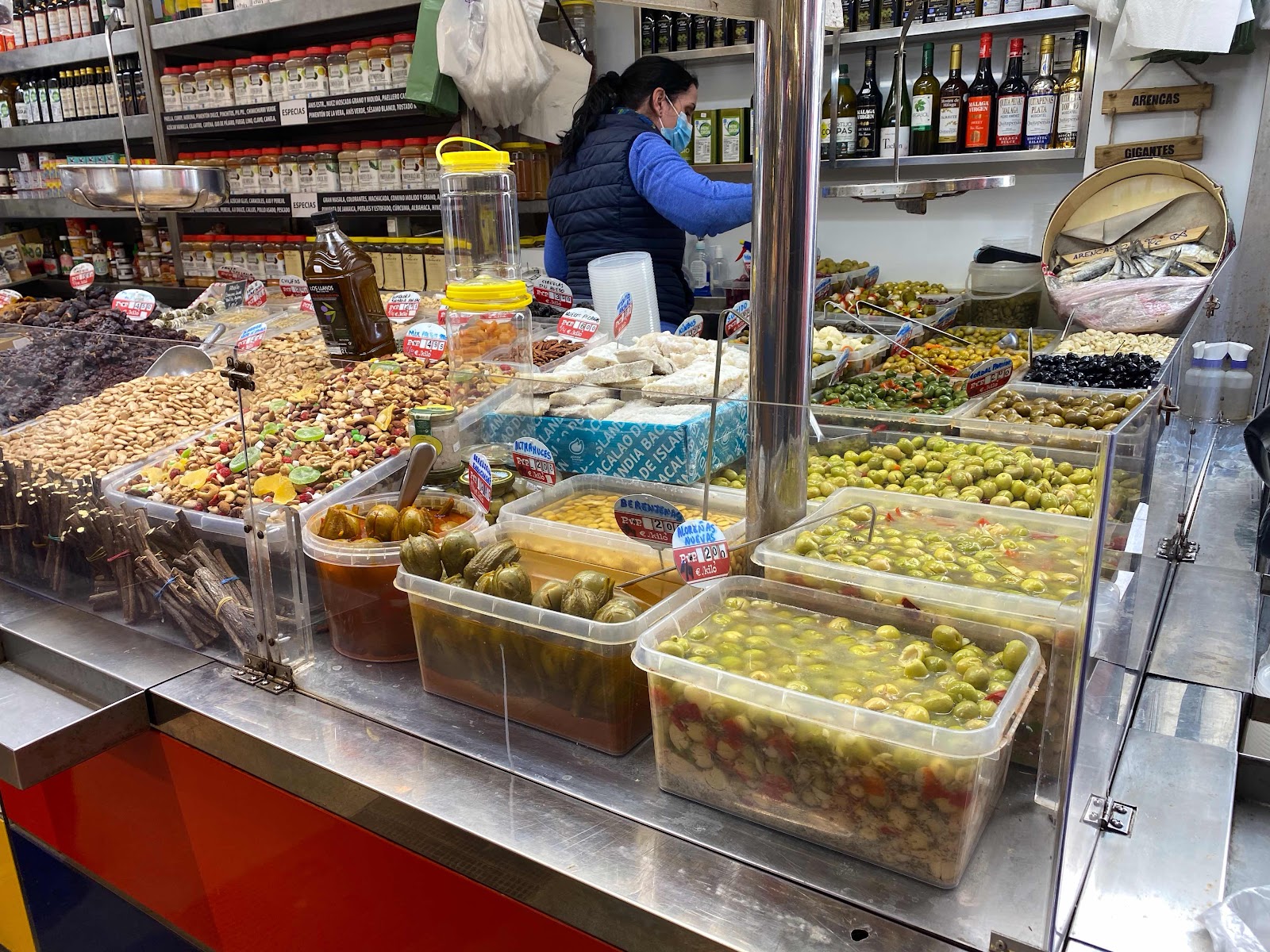
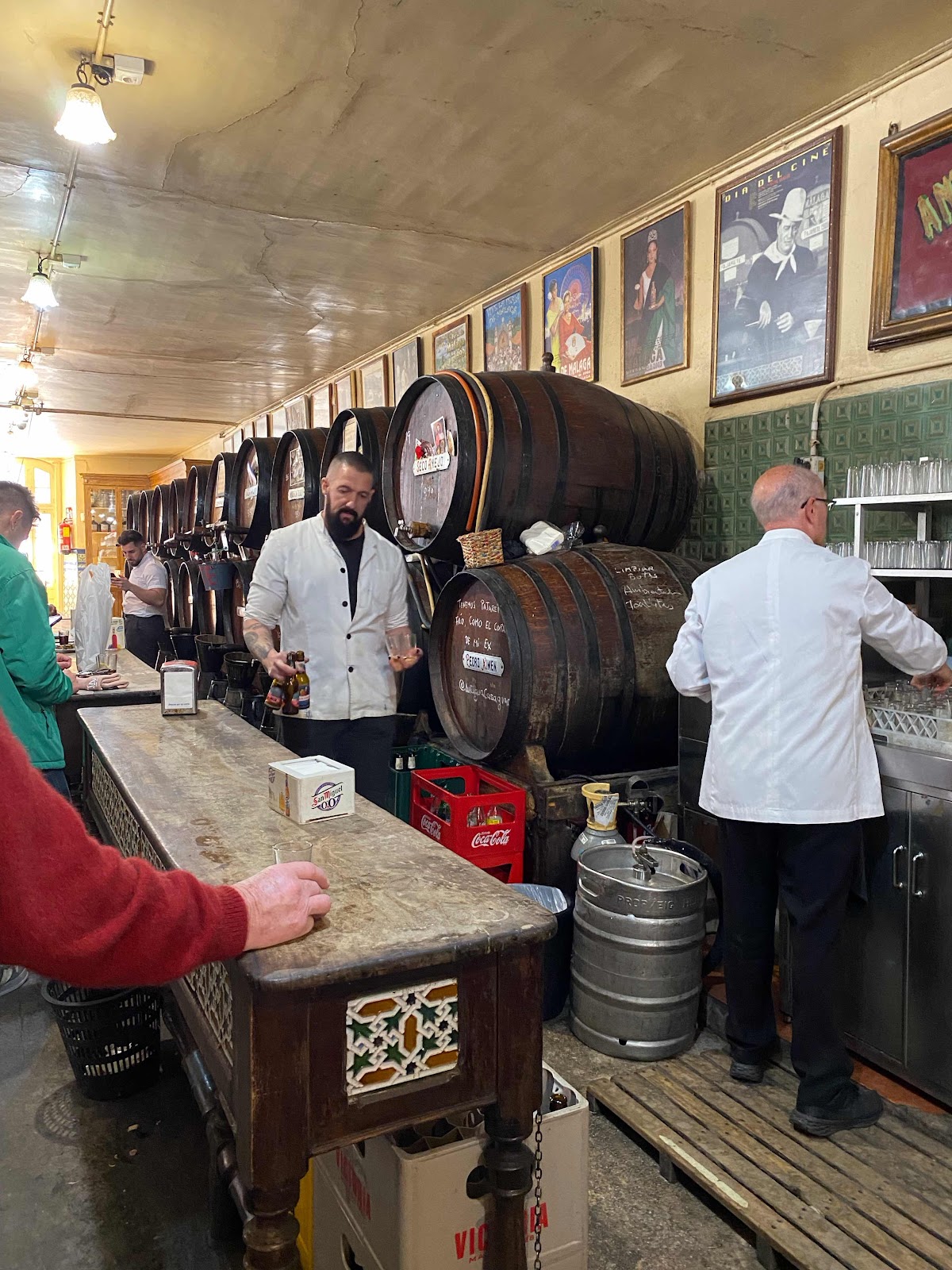
On March 2nd we ent with our guide Peter for a day in Malaga.  Malaga is the capital of the province and has a population of about 600,000 inhabitants.  There is proof that this area has been inhabited since before 200 BC. With a strong Muslim presence until the late 1400s it was taken over by the Christians at that time.  The main economic drivers are tourism, construction and  technology.  We met with a local guide ,Lourdes, who spent a few hours showing us the sights and explaining the history of her city. We were in the Cathedral for a fair bit of time where she knew every bit of information.  When there is no mass the Cathedral is used like a museum and admission is charged to help pay for upkeep..  after having our heads packed full of information we went to the food market where the locals buy their fresh food and then stopped at an ancient local bar.  The wine is served straight out of large barrels and tapas were few to choose from but delicious..  This was followed by a late lunch in the square.  Malaga is a large port town and we did visit the harbour where visiting cruise ships arrive frequently though thankfully not the day we were there.
The harbour of Malaga 

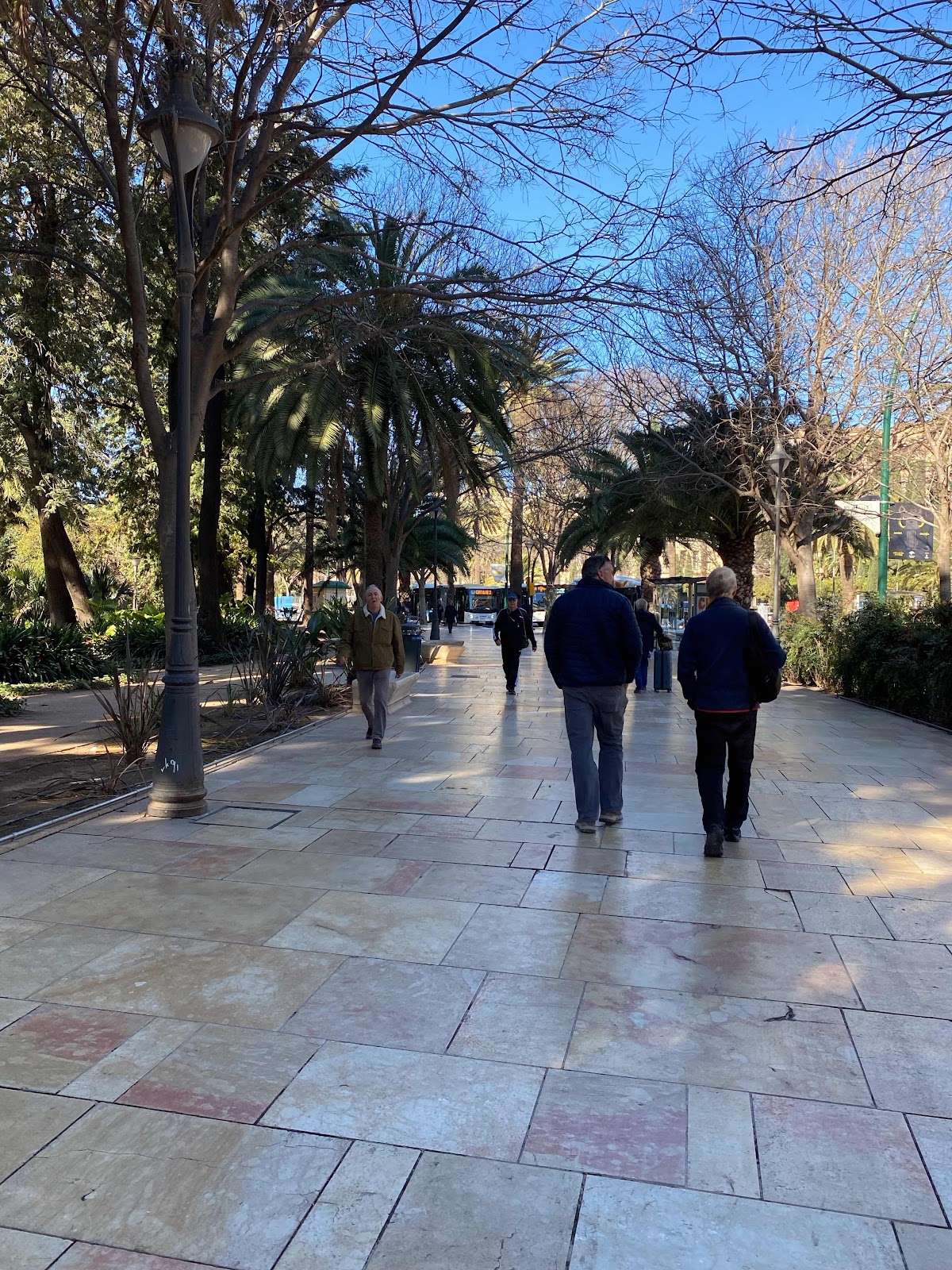
A beautiful park that goes all along the harbour. Lovely place for a stroll

Remans of old Roman castle

What is left of the Roman amphitheater 

Top floor is the Malaga home of Antonio Banderas. This is his birthplace and he is establishing an acting school here

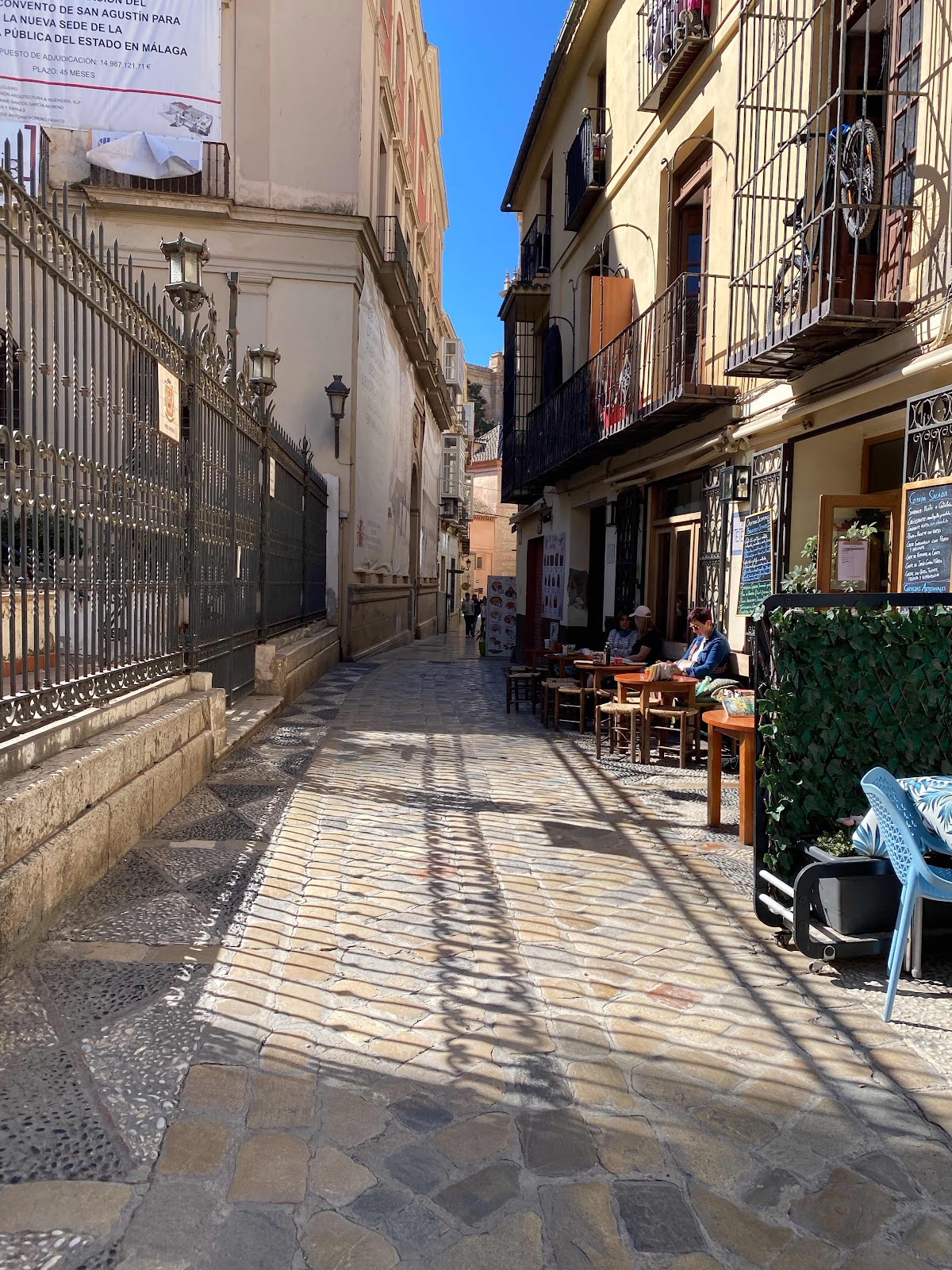
Street of the old town

Steeple of the Cathedral against a clear blue sky

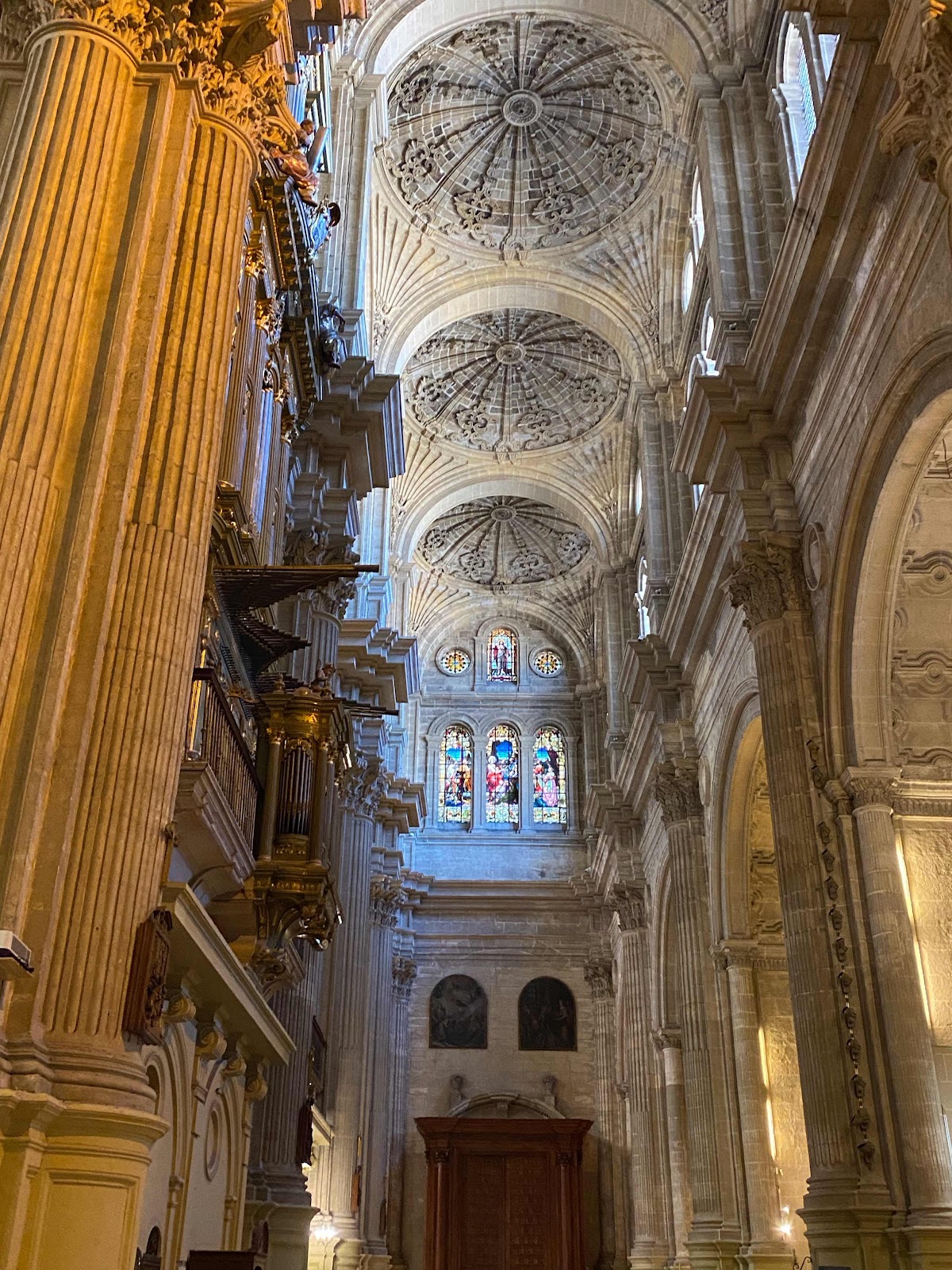
High gothic ceilings inside the Cathedral 

The pipe organ is still what is used today in all their services 

The whole outside of the Cathedral is done with incredible small chapels

The marble statue of Christ and Mary never fails to be moving

Stall after stall of enticing products

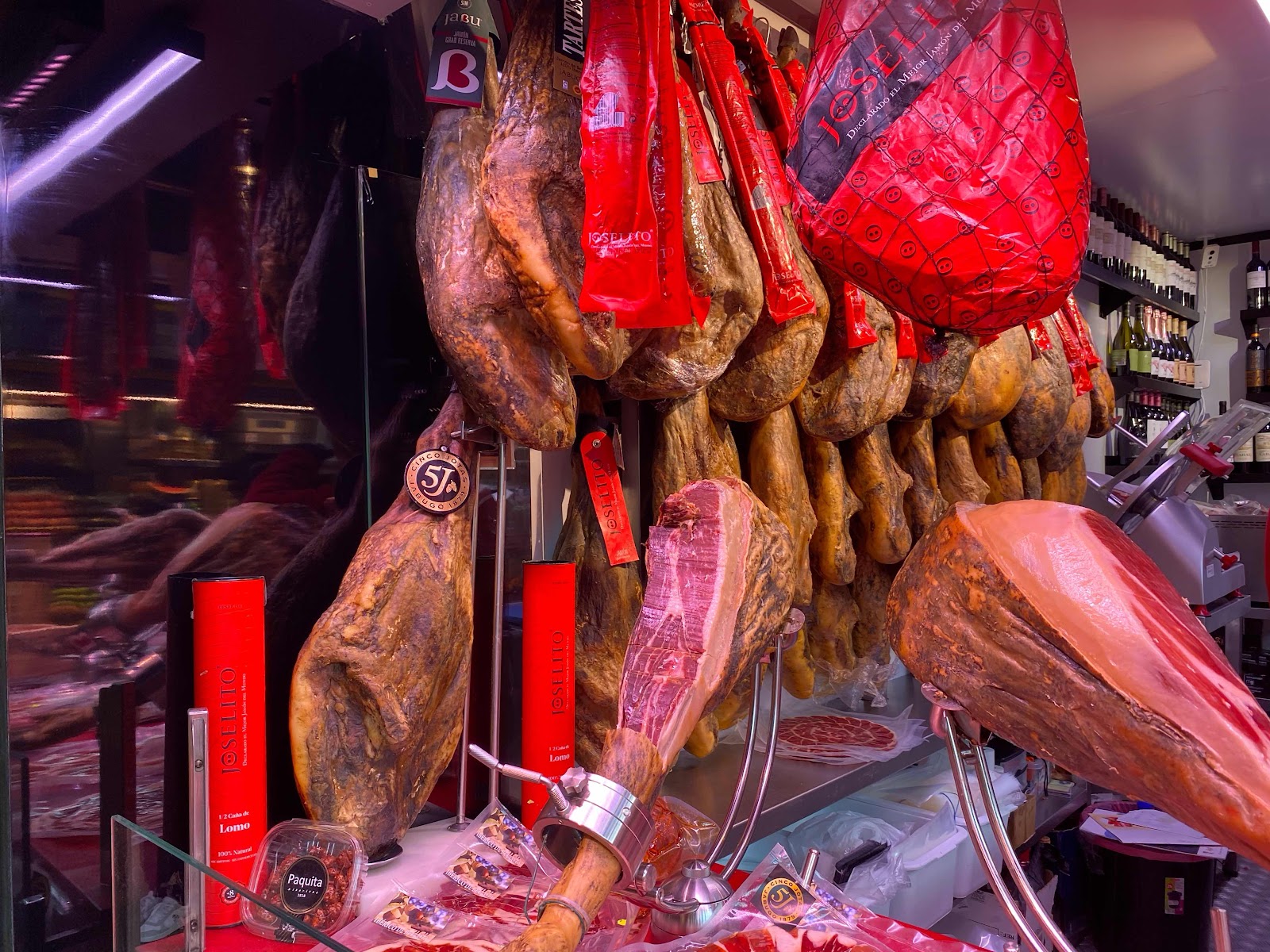
This ham is covered with fat and apparently it is eaten cold like this fat and all. Must say it is one thing I did not find particularly appealing 

The Iberian hams were for sale everywhere. Apparently most families will buy one at Christmas 

Fun tapa and wine bar. They wrote your bill in chalk on the bar and then just erased it


Ronda

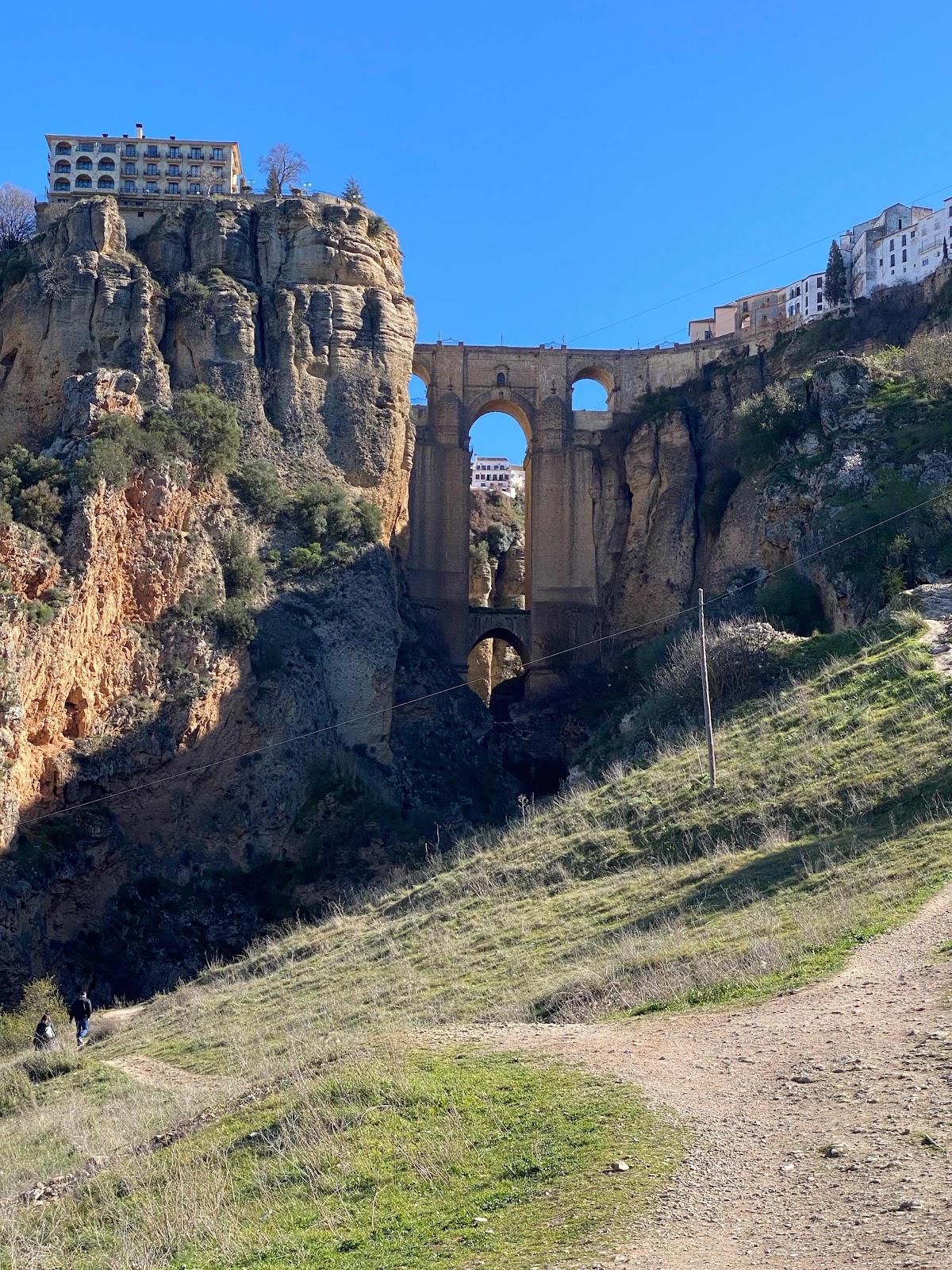
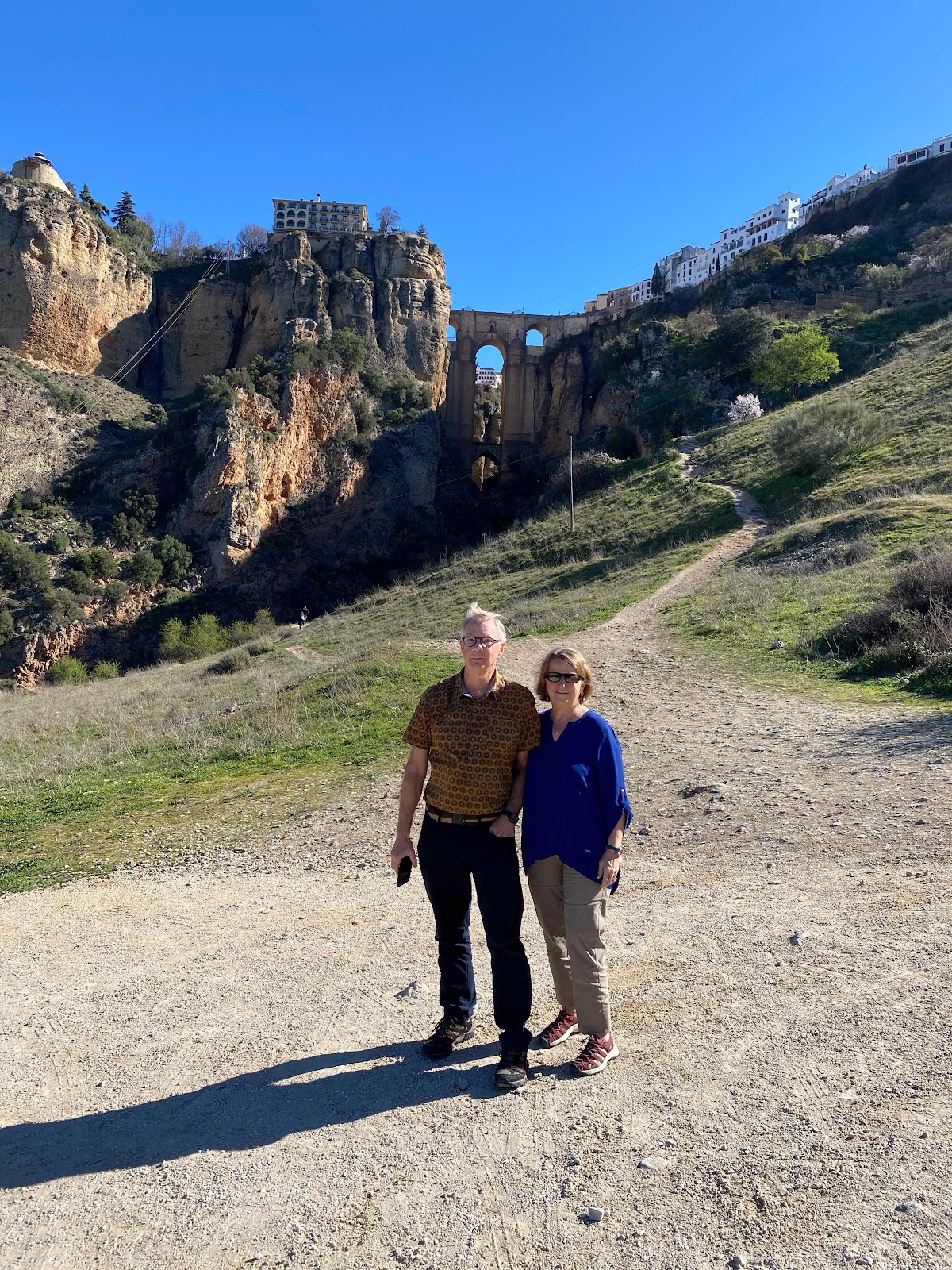
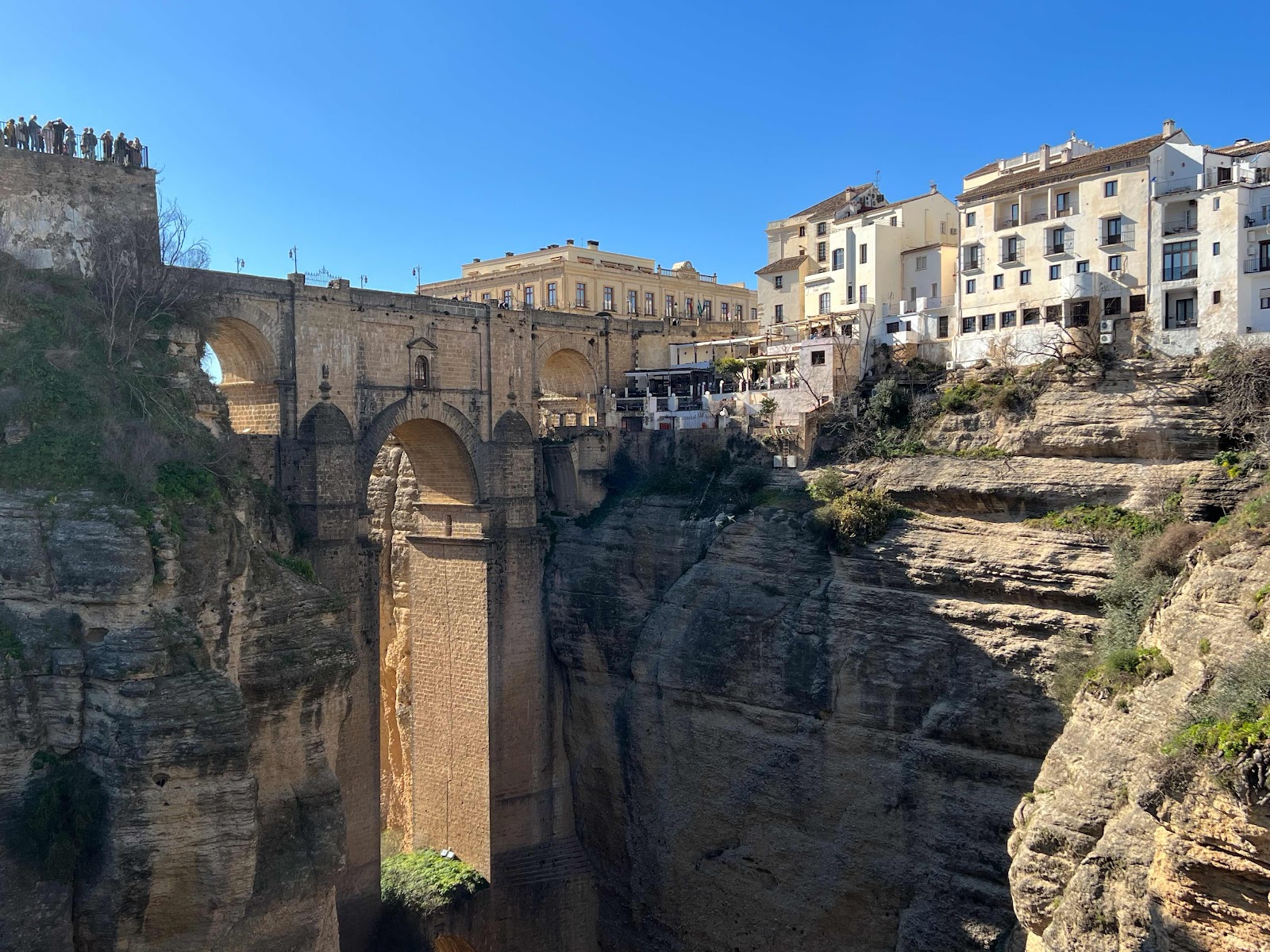
Ronda set in the province of Malaga is most known for its ancient bridge while spans the deep gorge that separates the centuries old town from the newer part of town.  The gorge is 120 meters deep at its lowest point and the ‘new ‘ bridge which was finished in 1794 is quite the engineering feat when you consider what they had to work with in that day and age and that it still stands proudly today.  Prior to entering the town our guide Thomas took us down to the bottom of the gorge so we could get a view of the bridge from below. What a treat!  In town we visited both the old and new bridge and spent some time in the market district where we went to a local tapas bar which was crowded with locals and the food was authentic and delicious.  Such are the benefits of travelling with a local.  The drive back to Marbella from Ronda was beautiful as we descended from high in the mountains back to sea level passing by some of the wealthiest sections of the province.


Viewing the bridge from down below 

A wonderful opportunity to see the town from this angle

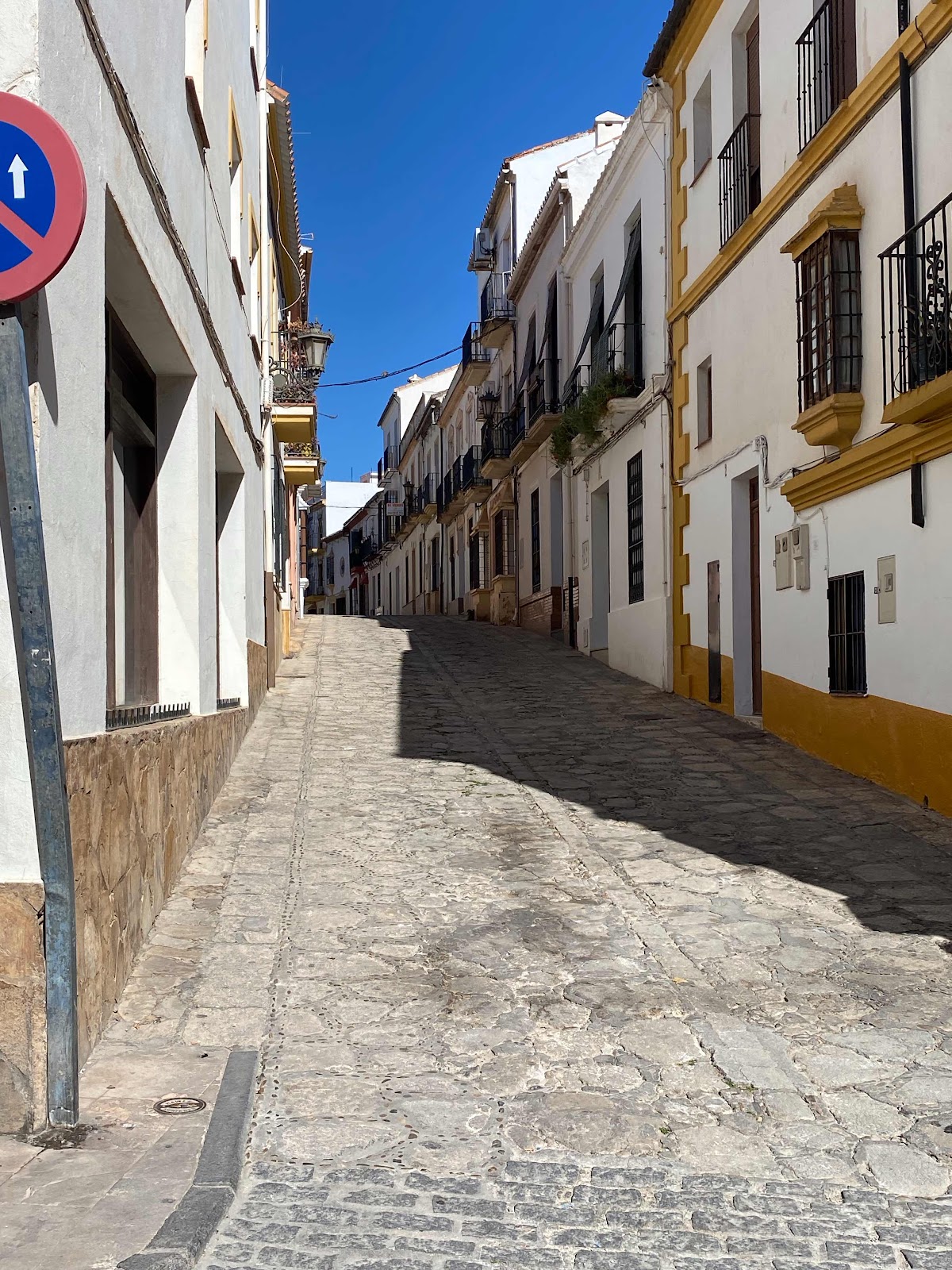
A street of the Market district 

Enjoying tapas and drink in a local bar

Delicious garlic prawns

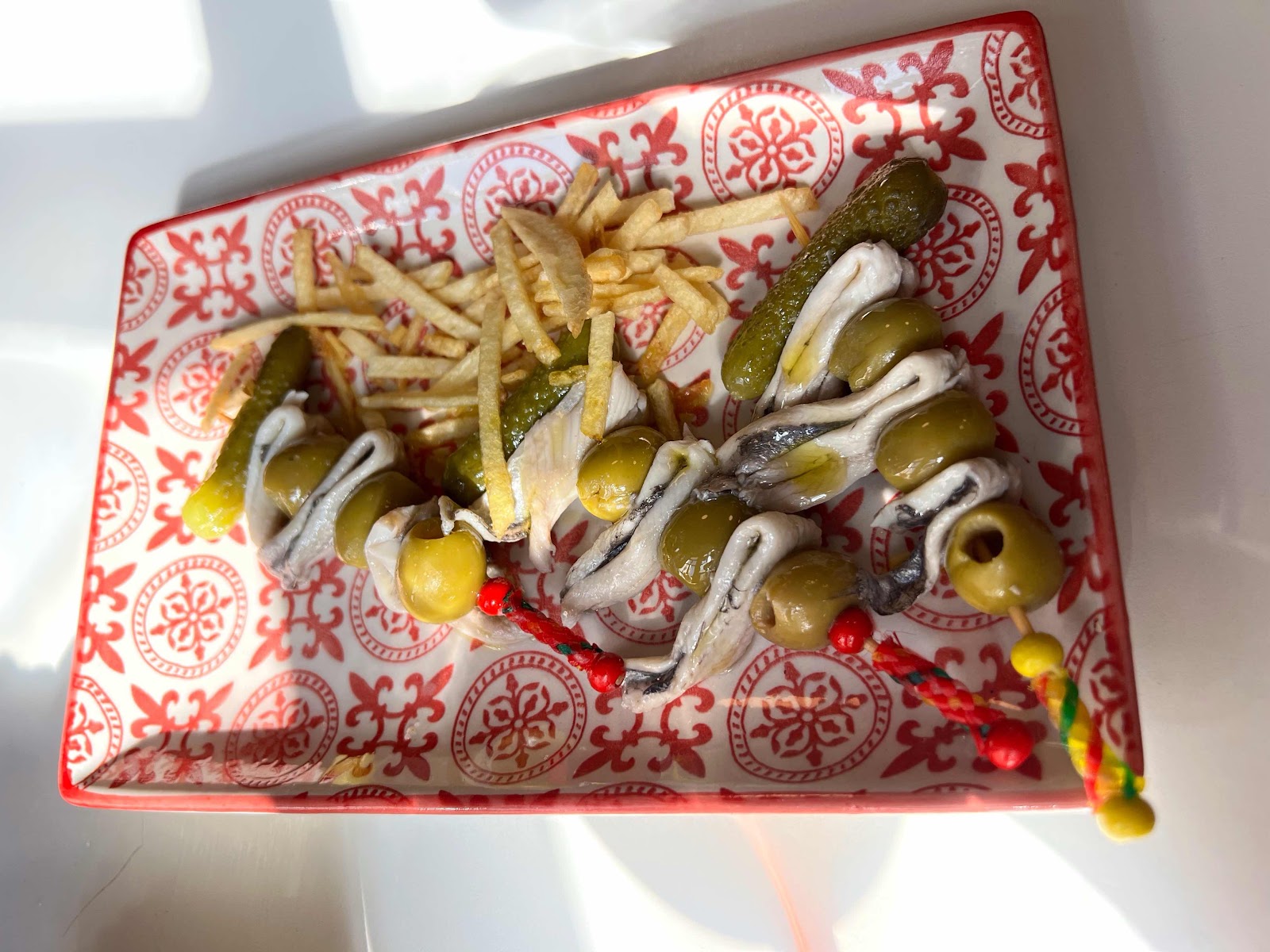
Marinated anchovies with olives and pickles. Addictive!

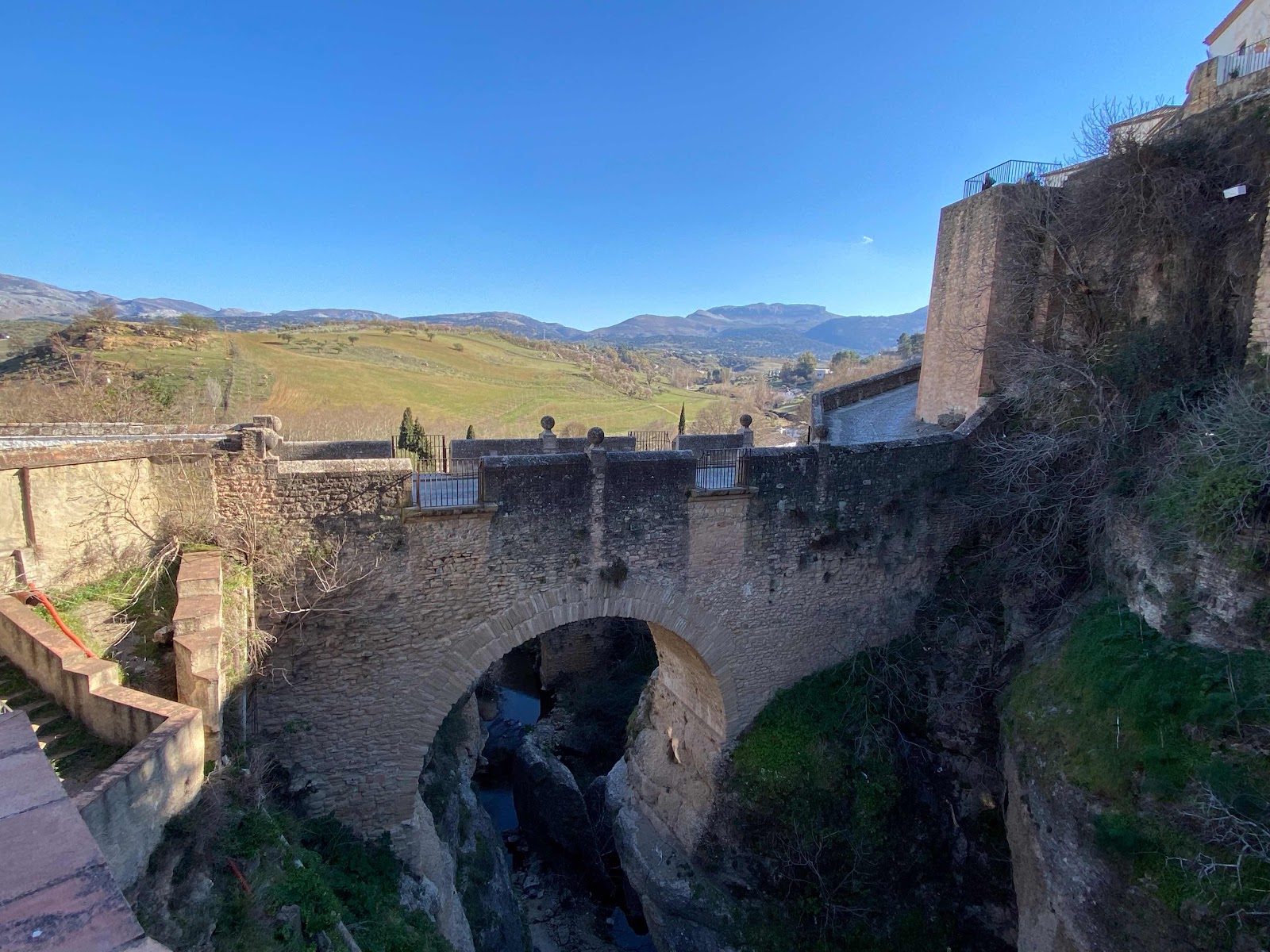
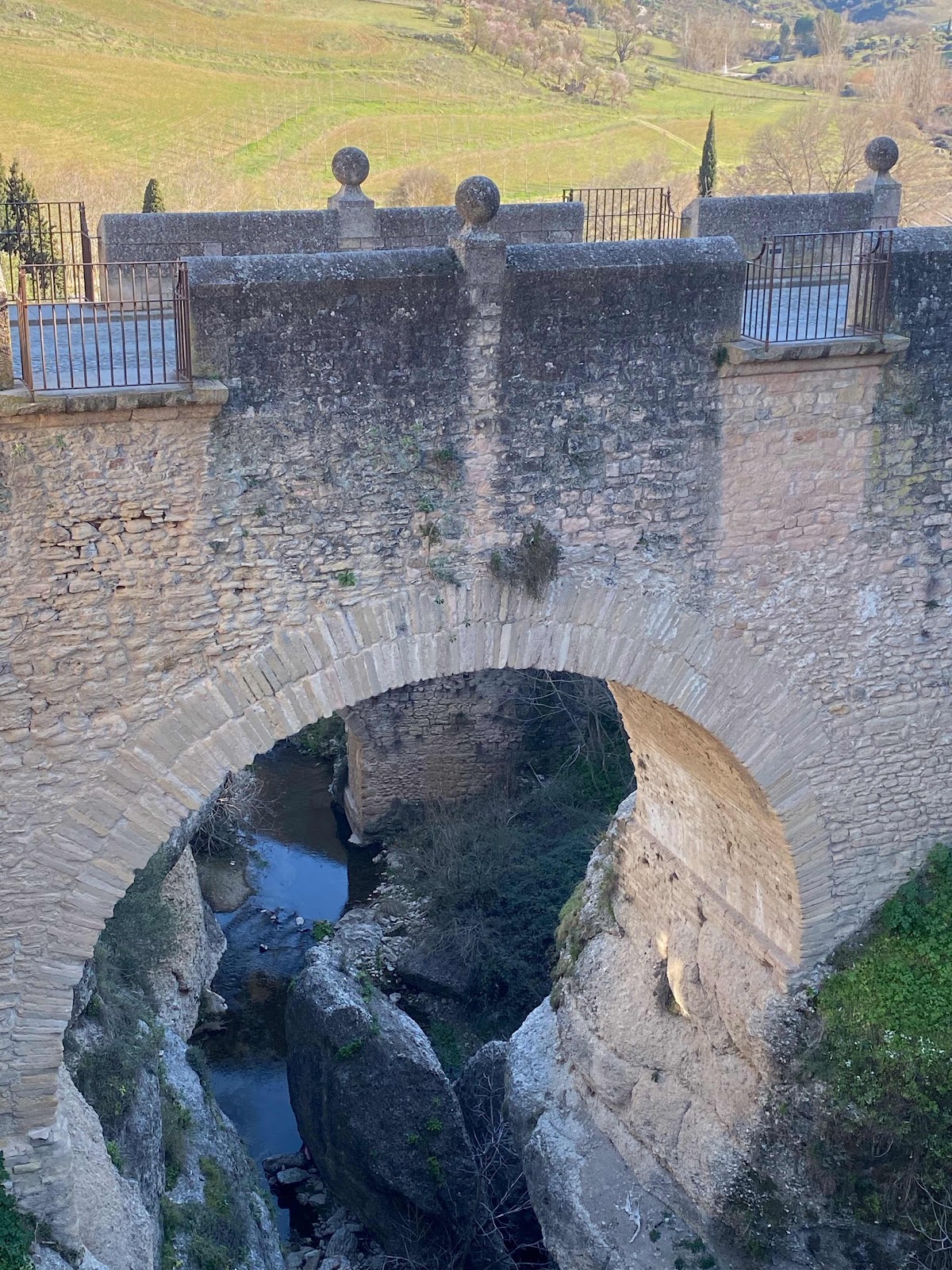
The old bridge

View of the bridge with buildings built right to the edge of the gorge 

Walking through the old part of town 

The gorge is far below

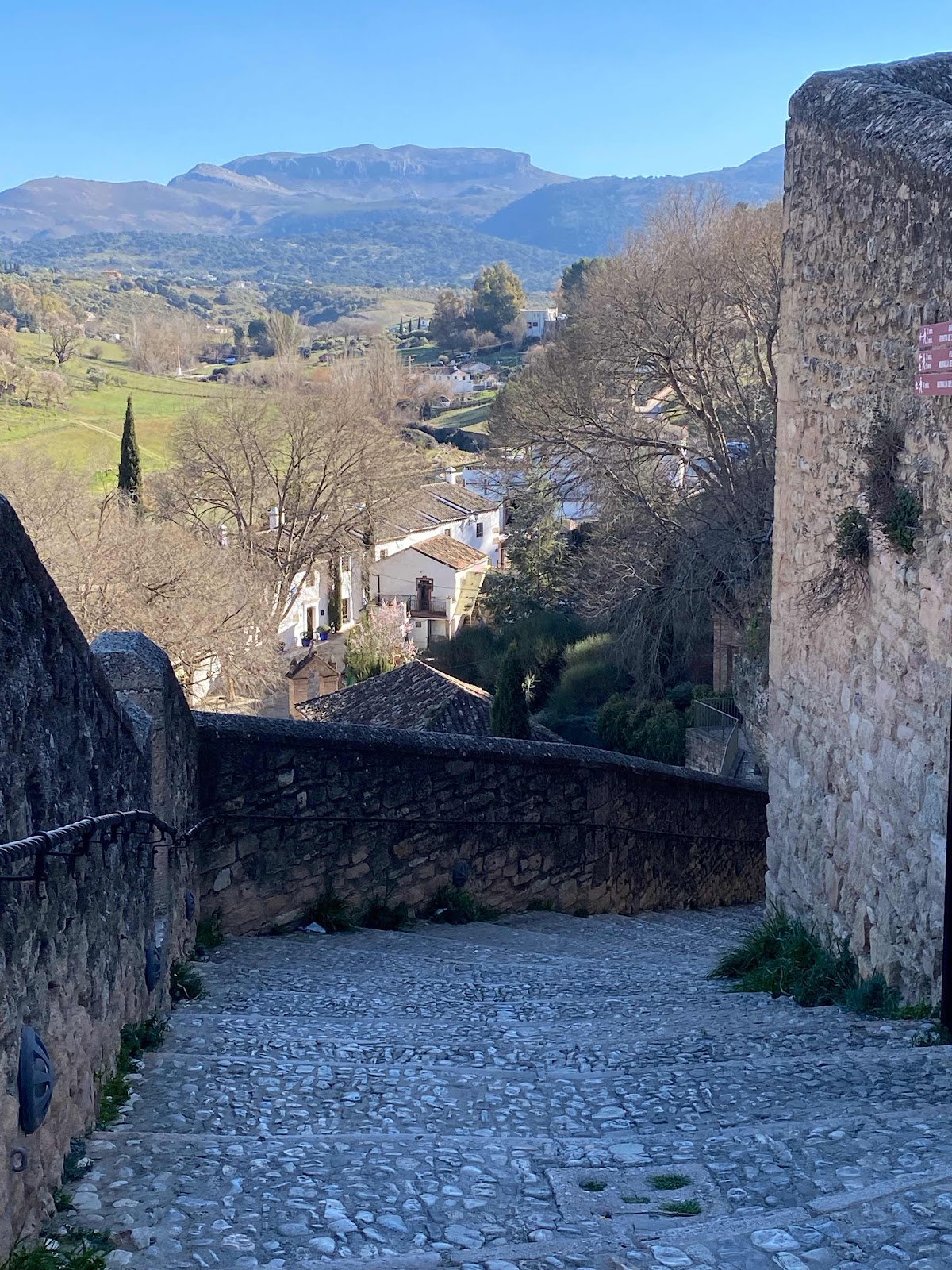
A view of the valley from steps leading into town

Remenants of pens where pigs were kept in years gone by


Sunday, 5 March 2023

Setenil de las Bodegas

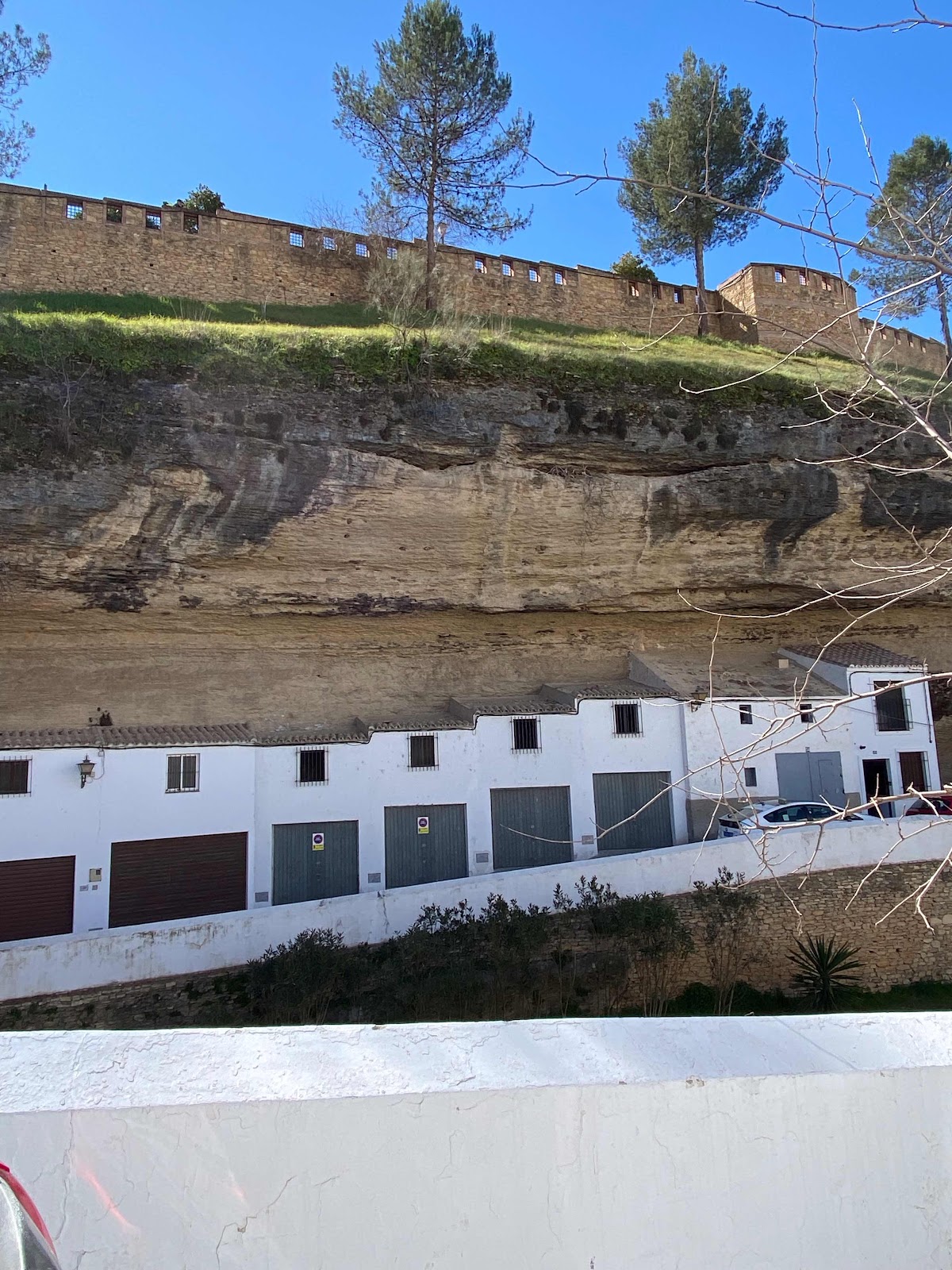
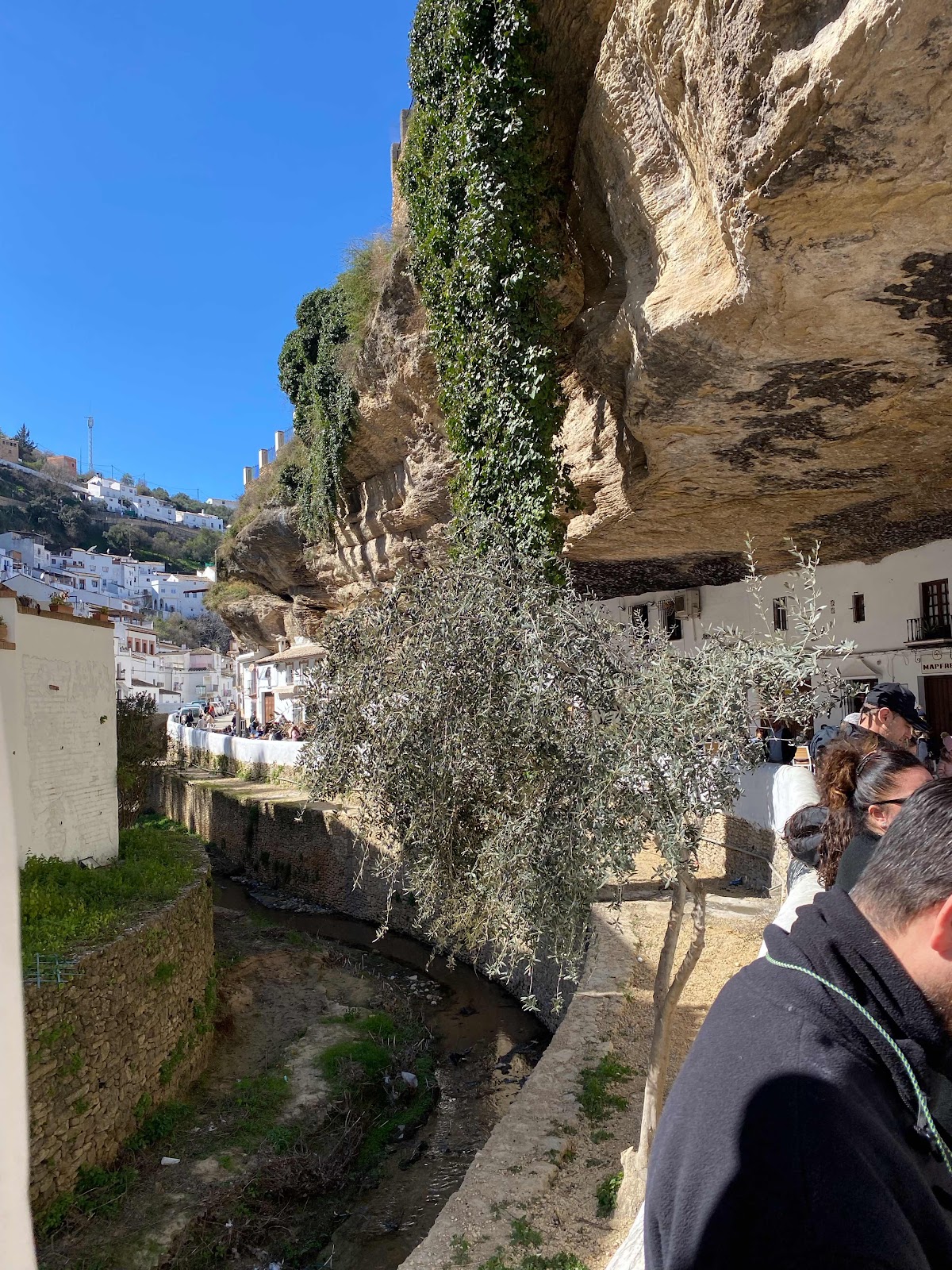
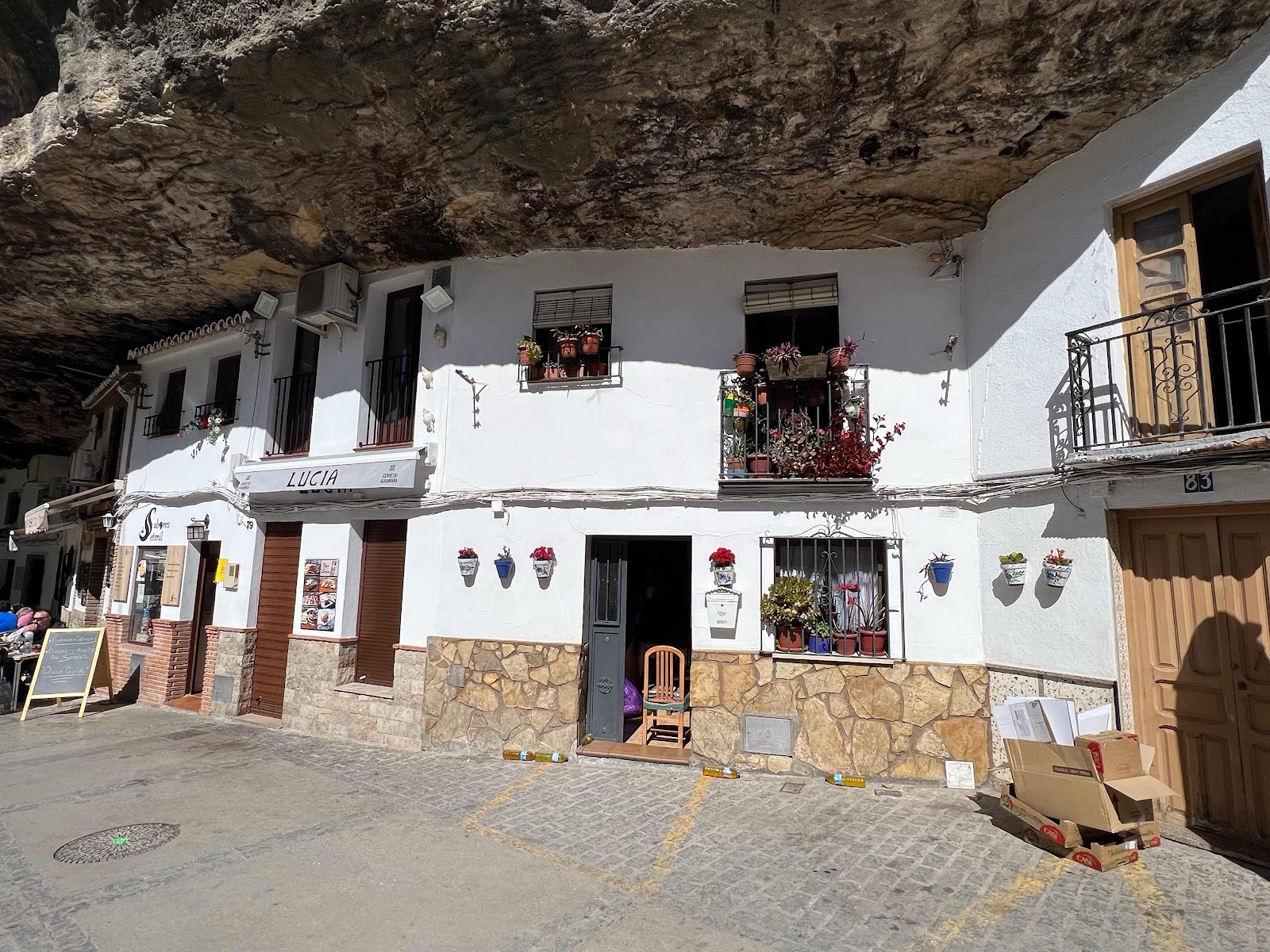
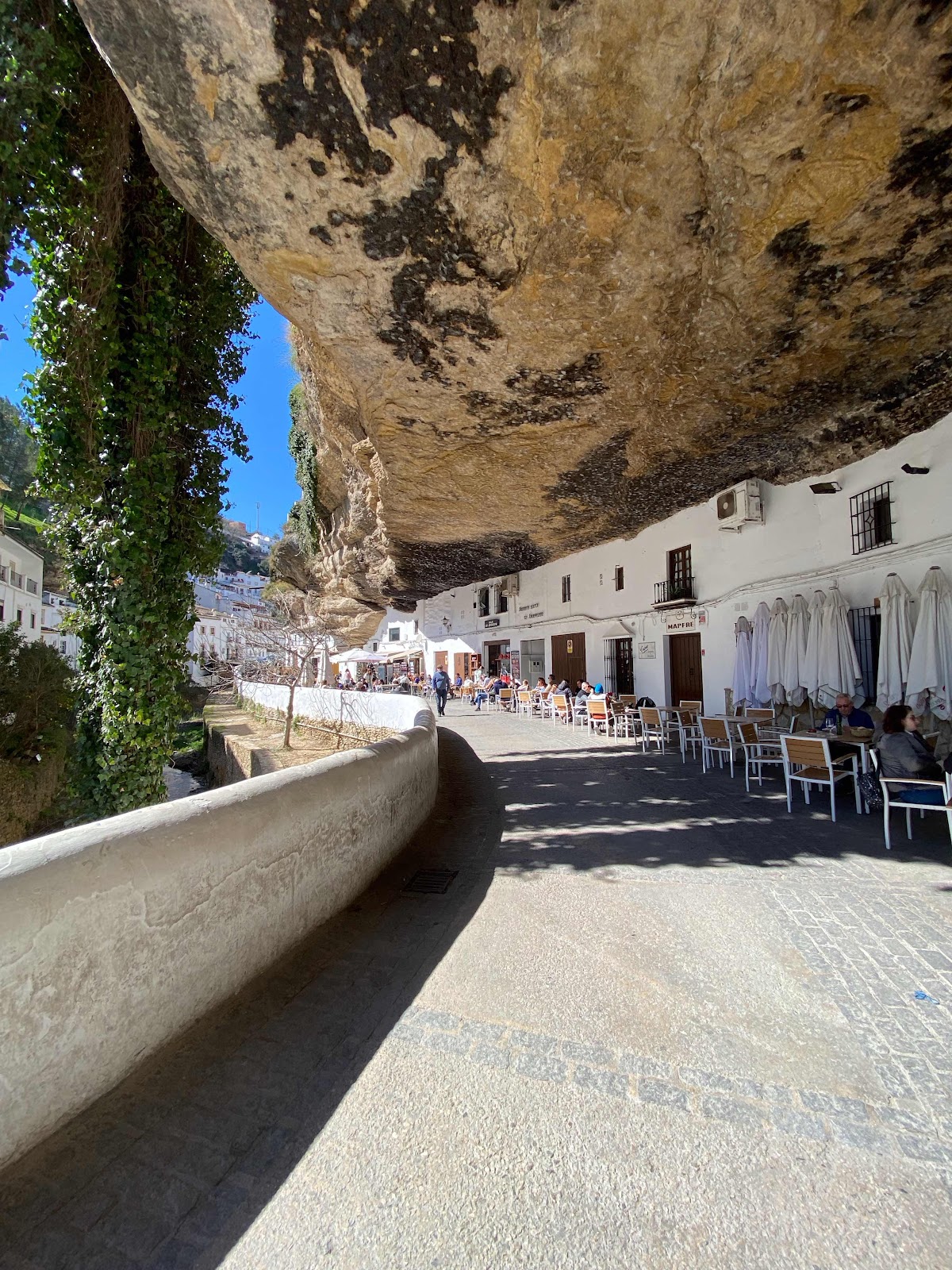
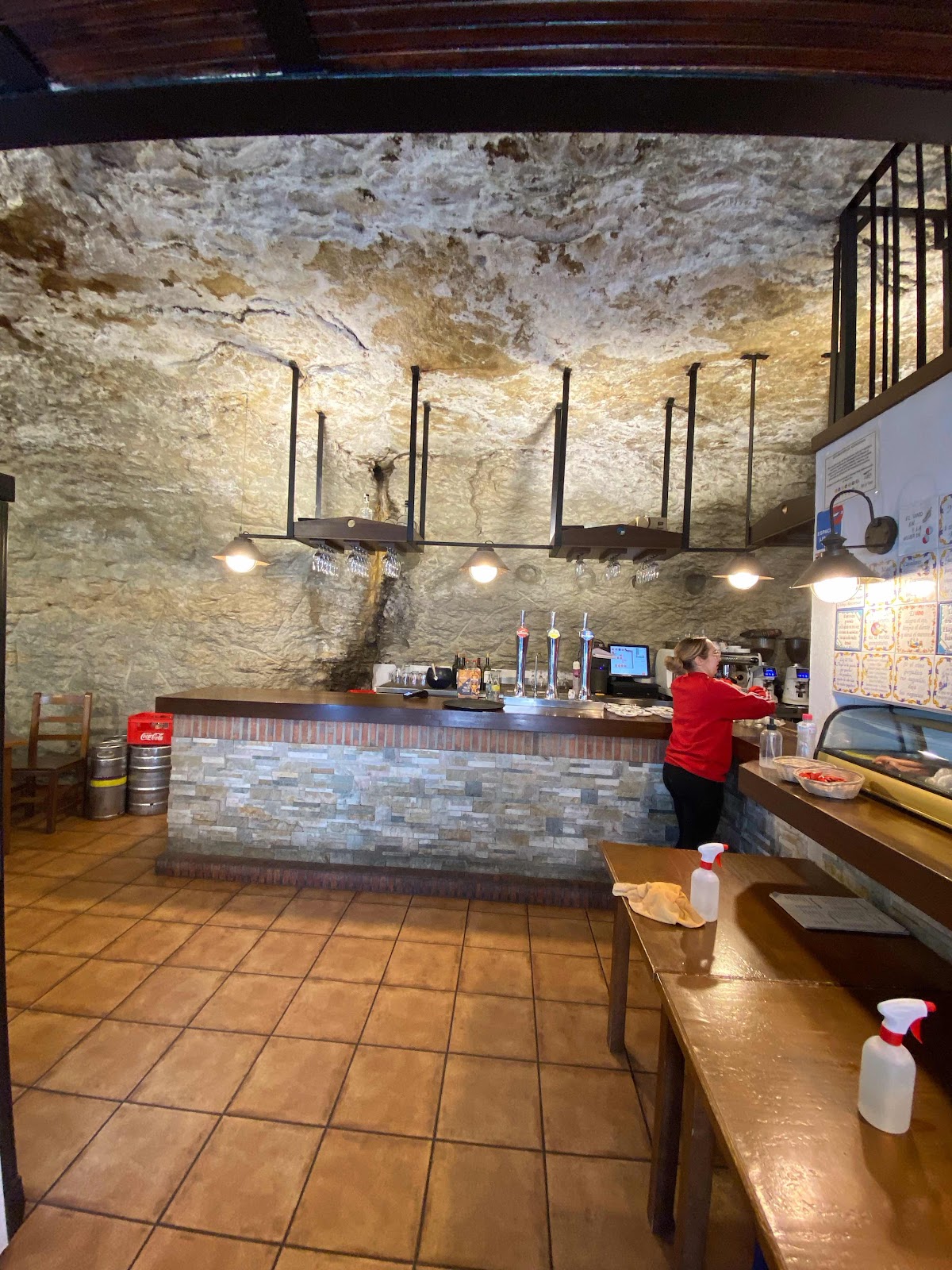
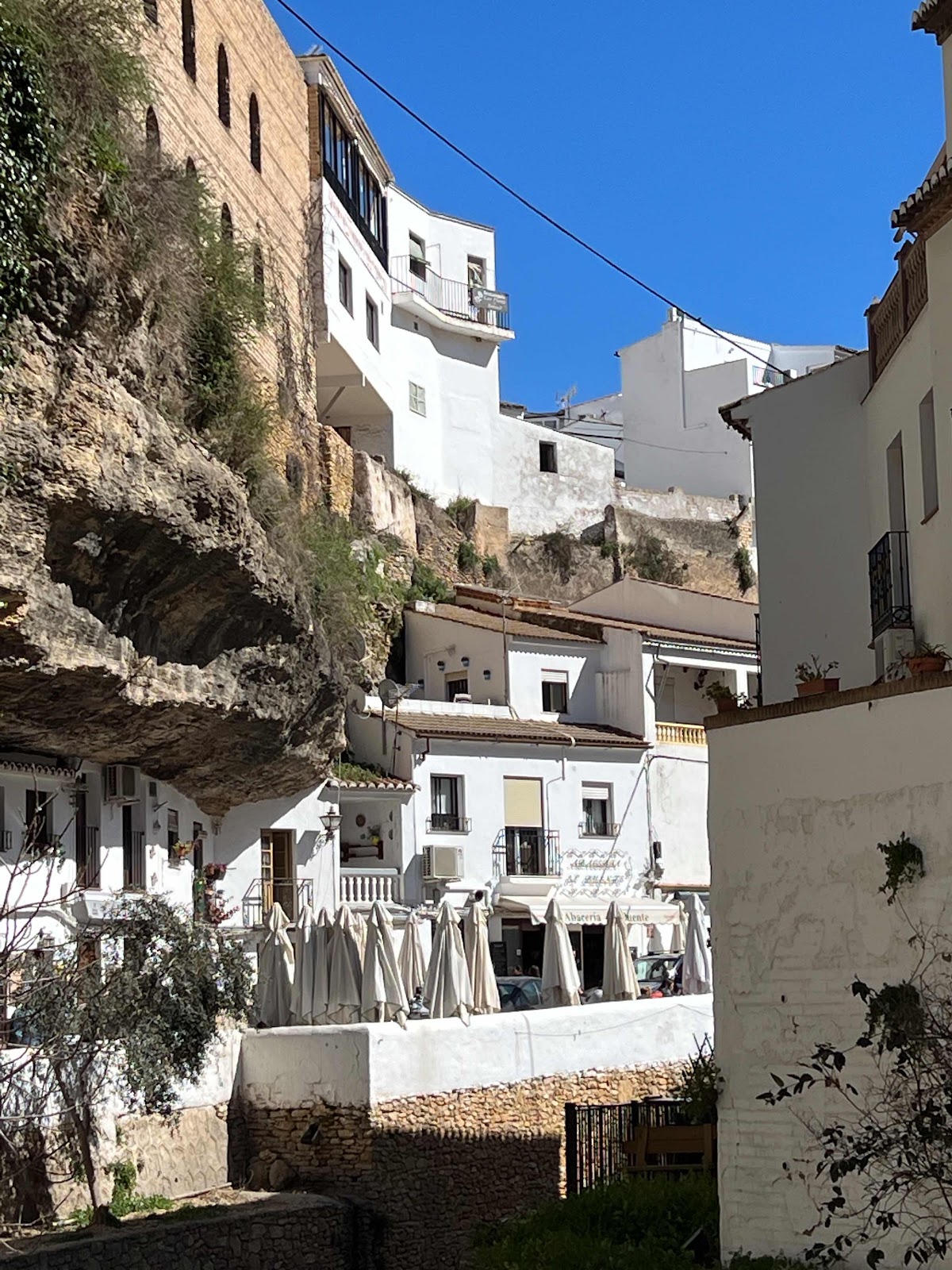
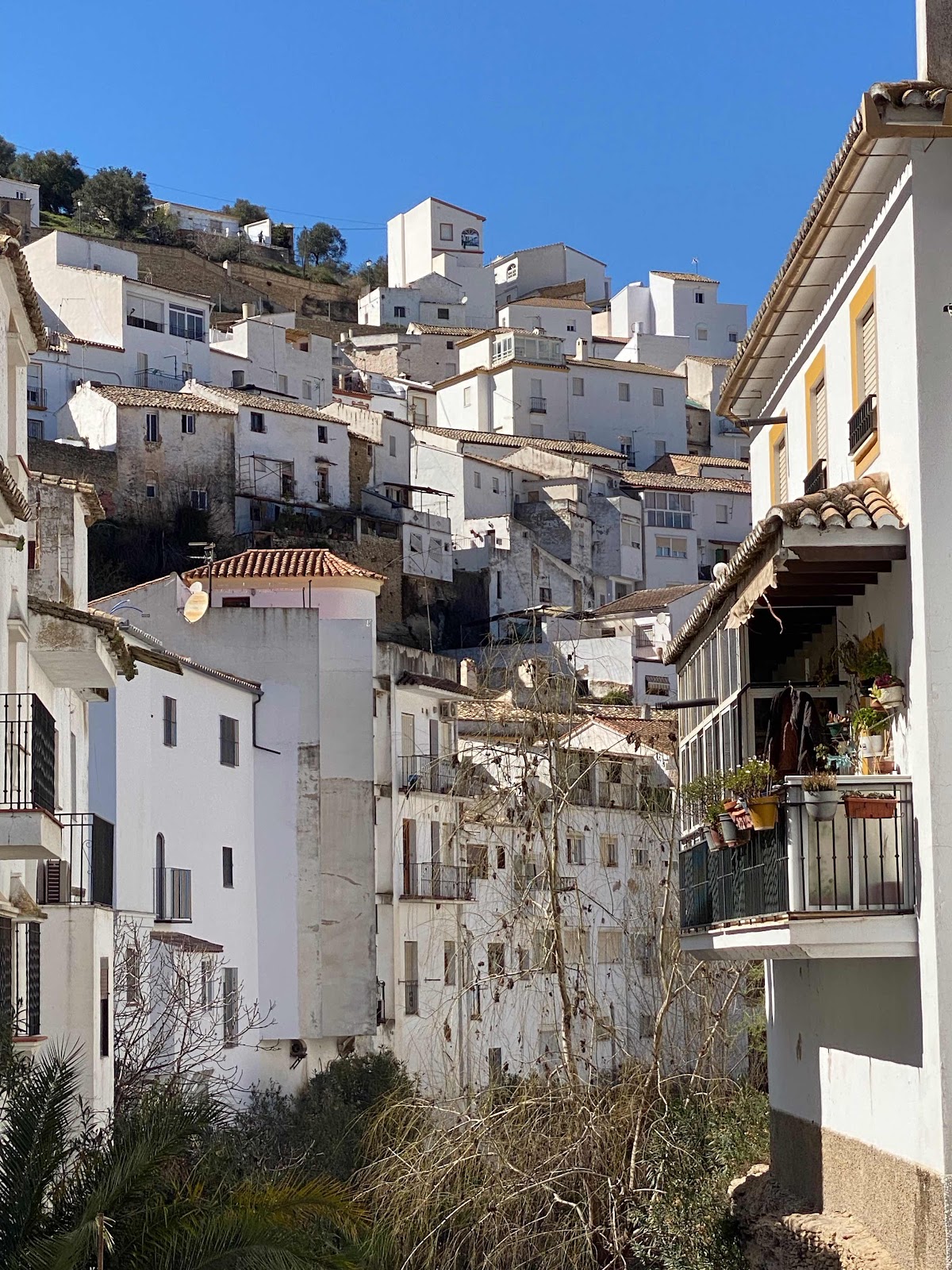
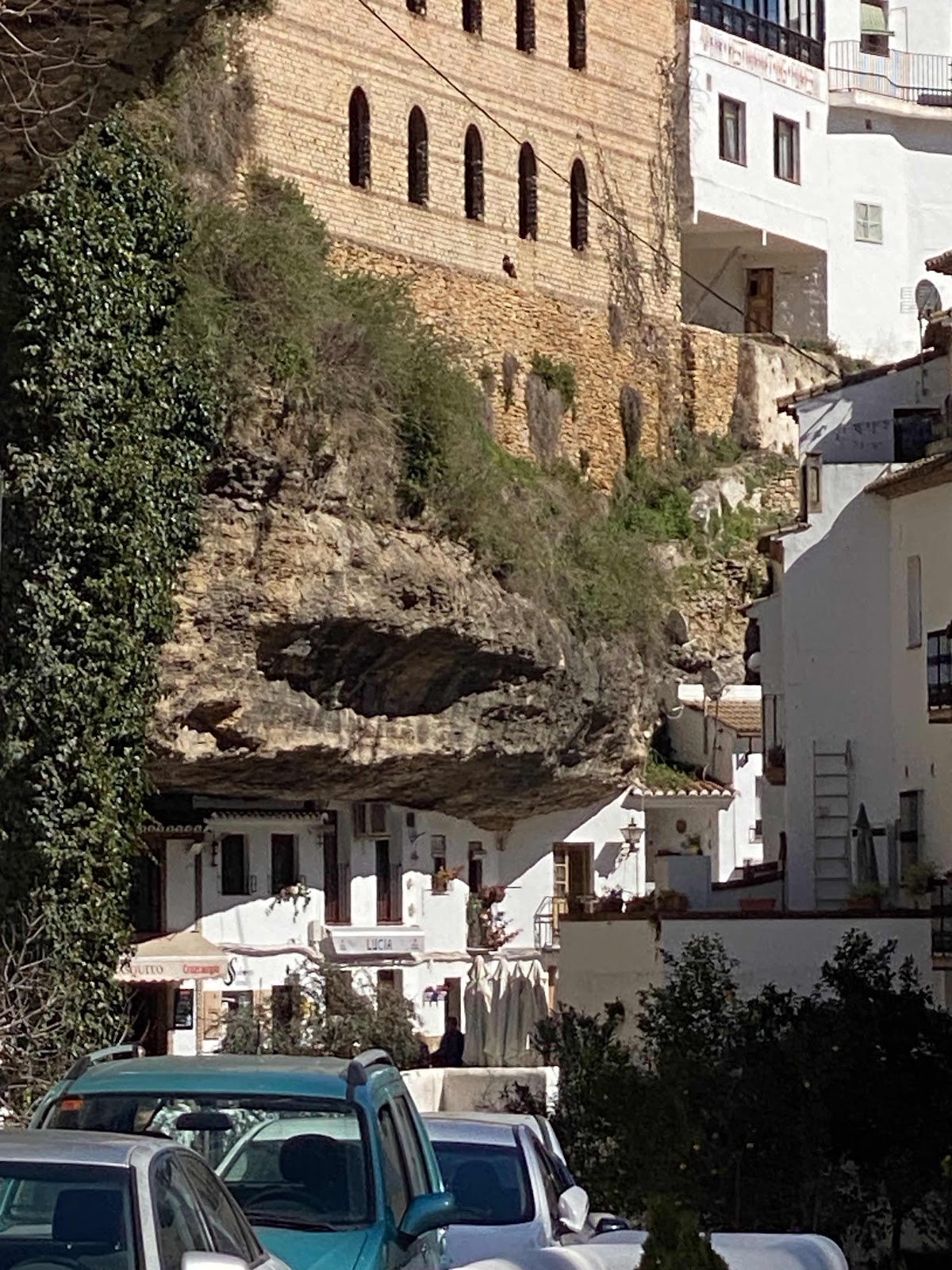
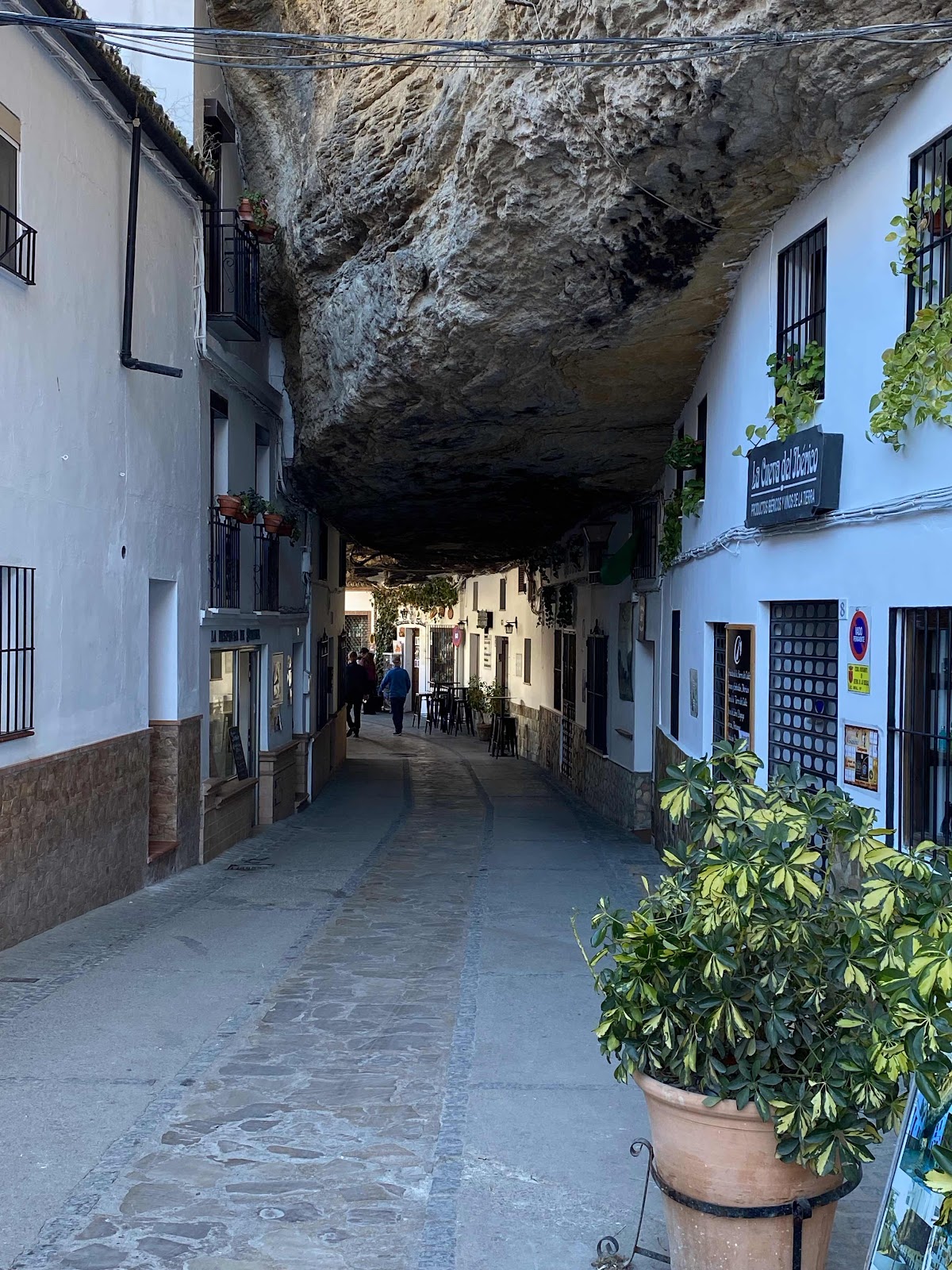
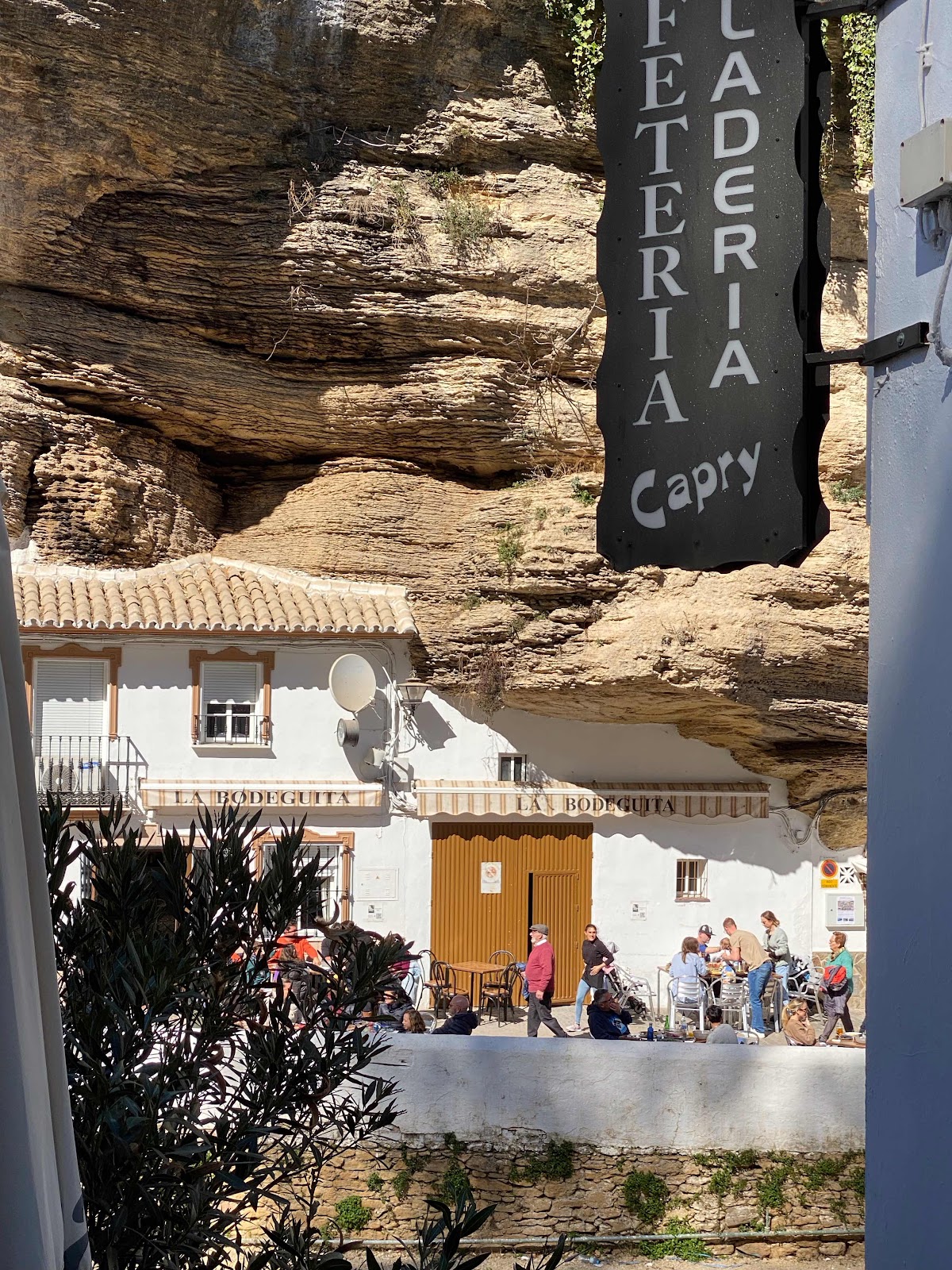
After a relaxing wine tasting we carried on to the unique town of Setenil. Setenil is a town in the province of Cadiz Spain which is famous for its dwellings which are built into the rock overhangs above the Rio Guadalporcun.  The town has a population of about 3000.  Many of its buildings are created with a front wall and use the rock for the rest.  Originally a Moorish town dating back to the 12th century it was conquered by the Christian’s in the 14th century.  Today it is known for its fine meats from the pigs bred in the surrounding hills and is very much a farming town along with tourism.  The two main streets are not large but are definitely eye catching with the cliffs hanging over the homes and businesses.  One side of town sits in the sun and the other in the shade with the town separated by what was today an empty canal. Well worth the visit

Garages built into the cliff

Looking down one of the main streets

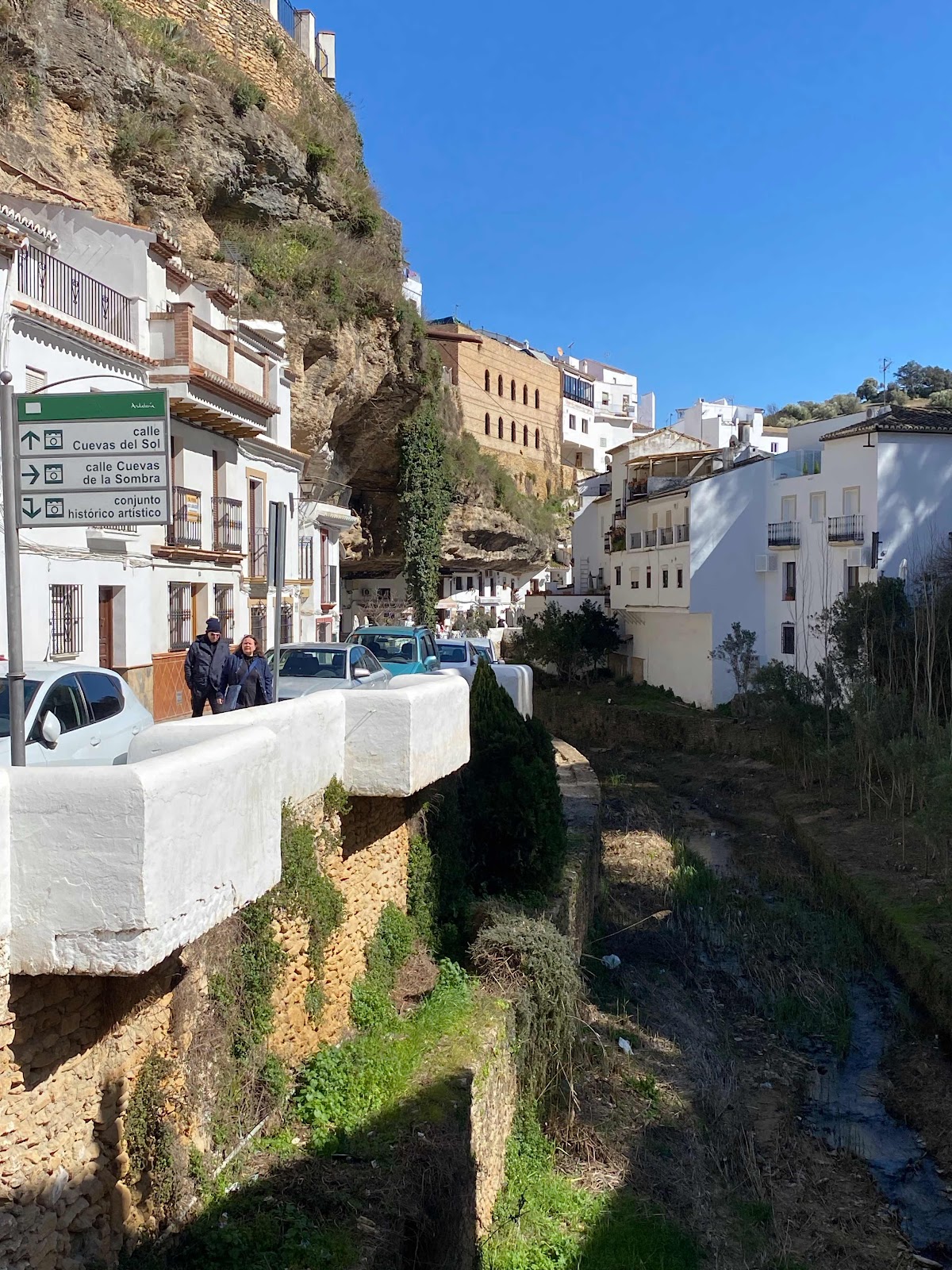
The canal that separates the two sides of the town

The front of the buildings are built right into the rock

The cliffs do provide some nice shade

As you can see it is a very large cliff

The inside of the shops are all rock walls. Helps with construction 

Every available piece of space has been used

Just loved the look of the shops. Would have loved to have seen inside a home 

The white green and rock all blend for a beautiful scene

No space is wasted in this town

Going up the hill the buildings no longer are integrated into the rock

A whole different kind of architecture 

This is the shady side of the street 

Much quieter side of town with all the cafes in the sun

Definitely a town worth visiting and one we will remember for its unique architecture and stone work